For us, this news is a long-awaited revelation of the quality that Sigenergy provides to its patrons. Helping Aussie families and businesses find smarter, cleaner ways to power their lives is what drives everything we do at Lenergy. So seeing Sigenergy — a brand we proudly stand behind — earn a 17.4% share of the national home battery market is more than just a statistic. It’s a sign that people are making bold, brilliant choices for their energy future.
At Lenergy, we couldn’t be prouder to offer Sigenergy’s award-winning solutions to our community. Because when you choose the right technology, you’re not just buying a battery. You’re investing in independence, security, and long-term savings.
Sigenergy Takes the Top Spot: What the SunWiz Report Reveals
When it comes to choosing a home battery, real-world results matter. That’s why the latest SunWiz report is such a game-changer.
SunWiz is Australia’s leading authority on solar and battery market intelligence. Every month, they track how many battery systems are sold, how much energy storage they provide, and which brands Australians are actually choosing. Their reports are trusted by industry insiders, installers, and energy experts alike.
In the March 2025 report, Sigenergy emerged as the clear leader. Capturing an impressive 17.4% of the national home battery market (measured by kilowatt-hours installed), Sigenergy officially became Australia’s No.1 battery brand for home energy storage.
A recent chart published by SunWiz illustrates this momentum clearly. The graph tracks market share by both battery capacity and number of systems over time, and as of March 2025, Sigenergy overtakes the competition in terms of capacity, climbing above brands like Tesla, Alpha ESS, and Sungrow. It’s a visual confirmation of what industry insiders are seeing firsthand: Sigenergy is quickly becoming the go-to choice for serious home energy storage.
Image source: SunWiz, Battery Market Share Report, March 2025.
This isn’t just a one-off win either. It’s the result of months of strong growth, positive word-of-mouth from homeowners, and deep trust from solar professionals across the country. It’s a powerful signal that Australians aren’t just looking for a big name. They’re looking for the best technology that fits real-world needs and gives them significant savings.
Why More Australians Are Choosing Sigenergy
Australians aren’t just choosing Sigenergy by chance or because it’s what their installers recommended. There are real, practical reasons behind their decision. Here’s why more households are trusting Sigenergy to power their future:
1. Proven Performance You Can Rely On
Sigenergy batteries are designed to handle Australia’s tough conditions, from blistering summers to unexpected blackouts. Homeowners want technology that works when it’s needed most, and Sigenergy consistently delivers.
2. Smart, Expandable Design
Need more storage down the track? No problem. Sigenergy’s modular battery systems mean you can easily scale up your energy storage as your household or energy needs grow, without replacing the entire setup.
3. Future-Ready Technology
Beyond just storing power, Sigenergy batteries are packed with intelligent features that optimise how you use your energy. From maximising your solar savings to providing seamless backup during grid outages, it’s a system designed for modern living.
4. Access to Government Rebates and Incentives
Many Australian states offer generous rebates and incentives for home battery installations, and Sigenergy products often meet the eligibility criteria. That means choosing Sigenergy could help you lower your upfront costs and make your return on investment even stronger. (Check your local state or territory scheme, or ask Lenergy for personalised advice.)
5. Trusted by Installers and Industry Experts
Sigenergy’s top ranking by SunWiz — and Silver Award from SolarQuotes — proves it’s trusted not just by homeowners, but by industry professionals who install and rely on these systems every day.
6. Real Value Without Compromise
Sigenergy strikes the sweet spot: premium performance without the inflated price tag some brands carry. It’s a practical, value-for-money choice that doesn’t cut corners on quality, technology, or reliability.
Why Now is the Smart Time to Invest in Sigenergy
There’s never been a better time to make the switch to smarter home energy storage, and Sigenergy is leading the way.
Here’s why acting now makes sense:
Rising Energy Costs Aren’t Slowing Down
Electricity prices across Australia continue to climb, and there’s no clear end in sight. Installing a Sigenergy battery today helps protect you against future price shocks by letting you store and use your own solar power — on your own terms.
Rebates and Incentives Won’t Last Forever
Government rebate schemes are generous right now, but many have limited funding and strict eligibility timelines. Acting now could mean accessing thousands of dollars in savings that might not be available in the future.
As more Australians wake up to the benefits of energy independence, demand for top-quality batteries is surging. Locking in your installation now helps avoid potential wait times and ensures you get the best system available.
Ready to Make the Smart Switch?
At Lenergy, we’re here to make the whole process easy. From choosing the right Sigenergy setup for your home to helping you understand and apply for any rebates you’re entitled to, we’d be more than happy to show you the way.
If you’re ready to take control of your energy future with Australia’s No.1 battery brand, there’s no better time to start.
We specialise in helping Australian homeowners find the perfect solar and battery solutions for their needs — and we’re proud to be an authorised Sigenergy partner. If you’re ready to take control of your energy future with Sigenergy, get in touch with Lenergy today for expert advice, personalised quotes, and seamless installation you can trust.
Going solar has been viewed as unattainable for many Australians, specifically with the upfront cost being too high for most. However, come July 2025, that could all change.
The Federal Government has proposed a $2.3 billion rebate program. It is expected to cover up to 30% of home battery installations. If passed, this would be the most significant federal support for solar batteries in Australia to date.
If you are considering solar or adding battery storage, this may be the most significant opportunity in years (pending the election).
At Lenergy, we’ve helped thousands of Australians make smart, future-ready energy choices. In this guide, you will learn:
By the end, you will know exactly where you stand and what steps to take next before the demand surges.
What Is the 2025 Federal Solar Battery Rebate?
On Sunday, 6 April 2025, the Labor Government announced a new Federal rebate for home and business battery storage. The goal is to lower energy bills and improve the stability of the national grid.
If Labor wins the federal election on May 3, the rebate will begin on July 1, 2025.
Here are the key details:
The rebate offers about $358 per kilowatt-hour (kWh) of installed battery storage.
It applies to systems sized between 5kWh and 50kWh.
It covers new solar and battery installations or battery additions to existing solar systems.
It can be combined with the NSW Peak Demand Reduction Scheme (PDRS) for additional savings.
The battery must be installed and switched on after July 1, 2025.
It works as an upfront discount, similar to the way Small-scale Technology Certificates (STCs) reduce the cost of solar panels.
There is one critical limitation: you can only claim the rebate once. If you later decide you want a bigger battery, you will not receive additional federal support. This makes sizing your system correctly from the start very important.
What Are the Key Benefits of the 2025 Federal Solar Battery Rebate?
The proposed rebate offers more than just short-term savings. It creates a real opportunity to lower energy bills, increase energy independence, and future-proof your home or business. Here’s what you can expect if the program proceeds.
1. Up to 30% Off the Installed Cost of a Battery System
The rebate provides an upfront discount of around $350 per kilowatt-hour of usable battery capacity, which typically equates to about 30% off the total installed cost. For many households, this means saving thousands of dollars right away.
2. Significant Ongoing Savings on Electricity Bills
With the right system design, eligible homeowners could see up to 90% reductions in electricity bills. On average, this may amount to savings of up to $2,300 per year, depending on your energy usage and battery size.
3. Available to Homes, Small Businesses, and Community Facilities
The rebate is not limited to residential properties. Small businesses and community organisations are also eligible. For these sites, battery systems up to 50kWh are subsidised, and total system capacity (solar plus battery) can reach up to 100kWh.
4. Works With Existing or New Solar Installations
The rebate applies whether you are adding a battery to an existing rooftop solar system or installing both solar and storage at the same time. This makes it flexible for a wide range of households and businesses.
5. Designed for VPP-Ready Battery Systems
Only Virtual Power Plant (VPP)–capable batteries qualify. While participation in a VPP is not mandatory, the system must meet the technical requirements to be VPP-ready. This helps build a smarter, more stable energy grid for all Australians.
6. One Battery System Per Property
Each eligible property can claim one rebate-supported battery system. This includes rental properties or multiple sites owned by the same individual or business. If you own more than one property, you can apply for separate installations.
How is the Federal Battery Rebate Calculated?
The federal rebate works in conjunction with the STC rebate and is determined by the size of the usable battery capacity (kWh).
For every 1kWh of usable battery capacity, the system would be eligible for 9.3 STC’s (assuming installation occurs in 2025), with each STC valued at $38.50.
For example, the federal rebate generated for a 15.6kWh battery energy storage system would be calculated as per the following:
15.6kWh usable capacity X 9.3 STCs = 145 STC’s
145 STC’s X $38.50 = $5,582.50
By using this formula, you can get a reliable estimate of your potential rebate amount before committing to a battery installation. It’s a smart way to plan ahead and understand exactly how much you could save through the federal scheme if it gets implemented.
How Much Can You Save with the 2025 Battery Rebates?
Here is a clear look at potential savings when combining the federal rebate with the NSW PDRS where available.
Sigenergy SigenStor Rebates
Number of Units
NSW PDRS Rebate
Federal Rebate
Total Rebate
1 (8kWh)
$1,256
$2,792
$4,048
2 (16kWh)
$2,514
$5,585
$8,099
3 (24kWh)
$3,772
$8,378
$12,150
4 (32kWh)
NA (over 28kWh)
$11,171
$11,171
5 (40kWh)
NA (over 28kWh)
$13,963
$13,963
6 (48kWh)
NA (over 28kWh)
$16,756
$16,756
Hinen Rebates
Number of Units
NSW PDRS Rebate
Federal Rebate
Total Rebate
1 (4.6kWh)
$740
NA (below 5kWh)
$740
2 (9.2kWh)
$1,482
$3,294
$4,776
3 (13.8kWh)
$2,224
$4,941
$7,165
4 (18.4kWh)
$2,966
$6,588
$9,554
5 (23kWh)
$3,706
$8,235
$11,941
6 (27.6kWh)
$4,448
$9,882
$14,330
7 (32.2kWh)
NA (over 28kWh)
$11,529
$11,529
8 (36.8kWh)
NA (over 28kWh)
$13,176
$13,176
9 (41.4kWh)
NA (over 28kWh)
$14,823
$14,823
10 (46kWh)
NA (over 28kWh)
$16,470
$16,470
Tesla Powerwall 3 Rebates
Number of Units
NSW PDRS Rebate
Federal Rebate
Total Rebate
1 (13.5kWh)
$2,176
$4,833
$7,009
2 (27kWh)
$4,352
$9,667
$14,019
3 (40.5kWh)
NA (over 28kWh)
$14,501
$14,501
4 (54kWh)
NA (over 28kWh)
$14,501
$14,501
Please note: The NSW PDRS rebate caps at 28kWh. The federal rebate covers up to 50kWh. If you install a system larger than 28kWh, you still get the full federal rebate, but no additional state support beyond that threshold.
Am I Eligible for the 2025 Federal Solar Battery Rebate?
Eligibility for the proposed rebate is based on several key criteria. Here’s what you need to know before moving forward.
1. Your Battery Must Be Installed and Switched On After July 1, 2025.
You can begin planning and even install your system now, but the battery must not be turned on or commissioned until after July 1, 2025. This is a strict requirement. If your system is activated before that date, it will not qualify.
2. Your Battery Must Be Between 5kWh and 50kWh.
Only battery systems with a usable storage capacity between 5kWh and 50kWh are eligible. Systems smaller or larger than that range will not qualify under the proposed guidelines.
3. Your Battery Must Be VPP-Capable and CEC-Approved.
The battery must be compatible with a Virtual Power Plant (VPP) and listed on the Clean Energy Council’s (CEC) approved product list. If you are unsure whether your preferred product meets these criteria, our team can help confirm that for you.
4. You Can Only Claim the Rebate Once.
This rebate is a one-time opportunity. If you install a smaller system now and later decide to expand, you will not be able to claim additional rebate support for future upgrades. That’s why sizing your battery correctly from the start is critical.
5. You Must Be Located in Australia.
This is a federal program available to homeowners and small businesses anywhere in Australia. You do not need to live in New South Wales to qualify. However, NSW residents may also be eligible for additional rebates under the state’s Peak Demand Reduction Scheme (PDRS) — up to 28kWh of storage.
If you’re still unsure whether your setup meets the eligibility requirements, we encourage you to get in touch. We’ll assess your situation and walk you through your options, with no pressure to commit.
How Does the Rebate Work?
The proposed federal solar battery rebate will be delivered through the Small-scale Renewable Energy Scheme (SRES), using a system of tradable certificates to fund the upfront discount.
Here’s how it works if ever it gets implemented:
Accredited installers, like Lenergy, will apply the rebate directly to your quote. You won’t need to manage the paperwork yourself.
The installer will handle the certification process with the Clean Energy Regulator.
Once your system is installed and commissioned, the government will buy back the certificates, ensuring the financial support flows through without impacting certificate prices.
The program is uncapped, meaning there is no national limit on the number of households or businesses that can participate. The rebate will be available until 2030, with annual reviews to adjust the subsidy levels in line with changes in battery market prices.
This structure ensures the rebate remains fair, responsive to market conditions, and easy for customers to access without delay or administrative burden.
Is the Rebate Guaranteed to Happen?
No, it is not guaranteed yet.
The 2025 solar battery rebate is an election promise. Labor must win the election on May 3 for the rebate to become law. If they lose, there may be no rebate, or it may take a different form under a new government.
Polls currently show Labor ahead, and there has been no public opposition to the battery rebate proposal. Still, elections are unpredictable.
Talking politics can be a little frowned upon, and we’re not going to tell you how to vote but we know who we’re definitely voting for… *whispers* Labor.
Lenergy is preparing for either outcome. We are offering customers flexible contracts that allow them to benefit if the rebate goes ahead, while protecting them if the political situation changes.
If you act now, you lock in pricing and your place in the installation queue. If you wait, you may be dealing with longer lead times and reduced savings.
What Should You Do to Prepare Between Now and July 2025 When the Government Solar Battery Rebate Starts?
Okay here’s where confusion starts. To be eligible, your battery system must be installed and turned on after July 1, 2025. Does this mean you need to wait until July to start the process? No, you can start as early as today.
Here is the safest path forward if you want to benefit:
Get your system quoted and signed now.
Install your battery before July 1, 2025.
Delay commissioning (turning on) the battery until after July 1, to qualify under the new rebate rules.
By acting early, you protect your rebate eligibility and avoid the bottleneck of installs expected later this year.
If you wait until July to start planning, you may not be able to install until late 2025 or even 2026. That could mean losing thousands of dollars in potential savings.
It is important to know that if the federal rebate does not pass, you will still be responsible for the full cost of the system when it is commissioned.
Frequently Asked Questions About the 2025 Federal Solar Battery Rebate
Who is eligible for the rebate?
Any Australian homeowner or business installing a VPP-ready battery between 5kWh and 50kWh after July 1, 2025, can claim the rebate.
Can I combine the federal rebate with other programs?
Yes. You can combine the federal rebate with Small-scale Technology Certificates (STCs) for solar panels, and with the NSW Peak Demand Reduction Scheme (PDRS) rebate for batteries up to 28kWh, if you are located in New South Wales.
Can I install my battery now and still qualify?
Yes, but there are important conditions. Your battery can be physically installed before July 1, 2025, but it must not be commissioned or switched on until after that date. If you would like help navigating the timing, we encourage you to contact our team for assistance.
What if my battery is already installed?
If your battery has already been installed and commissioned before July 1, 2025, you are not eligible for the rebate. The rebate is intended only for systems installed and turned on after the program officially begins.
Can I add more battery capacity later and claim the rebate again?
No. The rebate is a one-time opportunity per installation. If you expand your battery storage after your original installation, the additional capacity will not be eligible for the rebate.
What types of batteries qualify?
Only batteries that are approved by the Clean Energy Council (CEC) and are sized between 5kWh and 50kWh will qualify for the rebate. If you are unsure whether your preferred product is eligible, please contact us for the latest approved list.
What if I live outside New South Wales?
If you are outside NSW, you will not have access to the NSW PDRS rebate. However, you are still eligible to claim the new federal rebate because it applies nationally.
Will the rebate decrease over time like the STC program?
Yes. If it is legislated, the federal rebate will begin on July 1, 2025, and then reduce each year until 2030. The earlier you install and commission your battery system, the higher your potential rebate amount will be.
Final Thoughts: Should You Wait or Act Now?
The proposed 2025 federal battery rebate is one of the most promising opportunities for Australians looking to invest in energy storage.
However, it is not risk-free. It is not guaranteed yet.
If Labor wins the federal election on May 3, the rebate will move forward. If they do not, the rebate may not happen at all.
However, If you wait until after the election to act, there is a risk you may miss out entirely, or face long delays as installation schedules fill up.
How Lenergy is Preparing Its Customers
At Lenergy, we are quoting and installing systems now in preparation for the rebate. However, we are delaying commissioning the systems until after July 1, 2025, to ensure customers remain eligible.
This approach protects your rebate eligibility, locks in today’s pricing, and secures your place in our installation schedule before the expected surge in demand. If the rebate program is delayed or does not proceed, we will communicate openly with every customer and adjust accordingly.
Our focus is on protecting your investment, not pressuring you into decisions.
Why You Need to Take Advantage of this Opportunity Today
This rebate is about more than saving money. It is an opportunity to reduce your energy bills, strengthen your energy security, and improve your return on solar investments.
It is one of the most significant policy steps toward making home battery storage more accessible in Australia. If you are looking for greater energy independence, protection from rising electricity prices, or simply better long-term savings, acting now gives you the strongest position.
At Lenergy, we are committed to helping you navigate this opportunity with clarity, honesty, and expert support.
If you are ready to explore your options, we are here to help.
If you’re in the market for a solar battery, you’ve probably come across big names like Tesla Powerwall or Sonnen. But there’s another player you should know about: the Hinen solar battery. With so many options out there, it’s easy to get lost in the details—battery capacity, efficiency, warranties, and price.
At Lenergy, we believe in transparency and answering the real questions homeowners ask. That’s why this guide will break down everything you need to know—from how Hinen batteries work to whether they’re worth the cost. By the end, you’ll have clear, unbiased answers to help you make the best decision for your home.
By the end, you’ll have the information you need to make an informed decision.
Hinen home batteries are designed for energy storage and backup power, allowing homeowners to store excess solar energy for use when the sun isn’t shining. Unlike standard lithium-ion batteries, Hinen uses Lithium Iron Phosphate (LFP) technology, which is known for its exceptional safety, durability, and performance.
The system comes in various configurations, including low-voltage/high-voltage, wall-mounted/floor-standing, and stackable options, making it adaptable to different home energy needs. Whether you need 5kWh or a large-scale 961.2kWh setup, there’s a Hinen battery to fit your requirements.
What Makes the Hinen Battery Stand Out?
1. Unmatched Safety & Longevity with Lithium Iron Phosphate (LFP)
Many homeowners ask: Is it safe? The short answer—yes. LFP technology is known for its high thermal and chemical stability, which means:
No overheating issues—a common problem with older lithium-ion batteries.
Longer lifespan—Hinen batteries last significantly longer than traditional lithium batteries.
Peace of mind—you get a battery that’s designed for long-term, worry-free use.
2. Long-Term Warranty & Lifespan
Another common question: How long will the Hinen battery last?
10-year warranty ensures long-term protection.
8,000 rated cycles—meaning you can charge and discharge the battery thousands of times before seeing a performance drop.
Guaranteed 80% capacity retention after 10 years, making it a reliable long-term investment.
3. Modular & Scalable Design
Many homeowners want flexibility. Can I expand my battery system later? With Hinen, the answer is yes!
Start small and expand—Hinen’s modular system allows you to add more batteries as your energy needs grow.
Aesthetic, space-saving design—whether wall-mounted or floor-standing, the battery integrates neatly into your home.
4. Blackout Protection
What happens if the power goes out? Standard solar panels don’t work during blackouts unless paired with battery storage. Hinen batteries offer optional blackout protection, ensuring that:
Your home stays powered when the grid goes down.
Critical appliances like refrigerators and medical devices keep running.
You don’t have to rely on expensive backup generators.
How Much Does the Hinen Battery Save You?
One of the biggest questions homeowners ask: Will a battery actually save me money?
The truth is, solar panels alone only save you money during the day. Without a battery, any extra solar energy you generate is sent back to the grid, usually for a low feed-in tariff (the amount your utility pays you for excess energy). Meanwhile, when the sun goes down, you’re forced to buy power from the grid at a higher rate.
With a Hinen battery, you:
Store excess solar power for night-time use, reducing your electricity bill.
Join a Virtual Power Plant (VPP) and earn extra income by sharing excess energy.
Cover up to 90% or more of your power bill, significantly reducing costs.
Hinen Battery: Full Specs Breakdown
Model: B5000
Warranty: 10 Years
Rated cycles:8,000
Battery sizes: 5 – 30 kWh
Weight: 51.4 KG
Dimensions: 534 X 500 X 175 mm
How Does Hinen Compare to Competitors?
If you’re considering a solar battery, you’re probably comparing options like the Tesla Powerwall 3 or Sonnen Battery. Here’s how Hinen stacks up:
Feature
Hinen Battery
Tesla Powerwall 3
Sonnen Battery
Scalability
5kWh–30kWh (modular)
13.5kWh (fixed)
11kWh
Max Discharge Rate
45A (continuous)
32A
40A
Battery Chemistry
LiFePO₄ (safe, long lifespan)
Lithium-ion (NMC)
LiFePO₄ (safe, durable)
Operating Temp.
-20°C to 60°C
-20°C to 50°C
5°C to 40°C
Safety Features
Internal aerosol fire extinguisher
BMS only
BMS only
IP Rating
IP65 (dust & water resistant)
IP56
IP56
Smart Monitoring
Hinen App (real-time tracking)
Tesla App
Sonnen App
Installation
Wall-mounted, stackable, plug & play
Wall-mounted
Floor-mounted
Warranty
10 years
10 years
10 years
How Much Does the Hinen Battery Cost?
Prices for solar batteries vary based on system size, installation, and retailer, but Hinen is generally more affordable while still offering premium features. Here’s an estimate:
Battery
Approximate Cost (Installed)
Hinen Battery (5kWh–30kWh, modular)
Starting from $9,999
Tesla Powerwall 3 (13.5kWh, fixed size)
$16,000–$18,000
Sonnen Battery (11kWh)
$11,000–$13,000
Note: Pricing depends on retailer, location, and installation costs.
Final Verdict: Is the Hinen Battery Worth It?
If you’re looking for a safe, reliable, and cost-effective home battery solution, the Hinen Battery is a clear winner.
Why?
It’s one of the safest options on the market, thanks to LFP technology.
It delivers long-term savings by reducing your dependence on the grid.
It offers future-proof flexibility, letting you expand your system as needed.
It ensures peace of mind during blackouts, keeping your home powered when it matters most.
For homeowners who want energy security, lower electricity bills, and a smarter solar setup, the Hinen Battery is 100% worth considering.
At Lenergy, we believe in empowering homeowners with honest information and expert guidance. We’re not here to sell you a battery you don’t need—we’re here to help you make the best energy decision for your home.If you’re serious about reducing energy bills and gaining energy independence, now is the time to act. Contact Lenergy today to learn more about Hinen battery solutions and find the best solar storage option for your home.
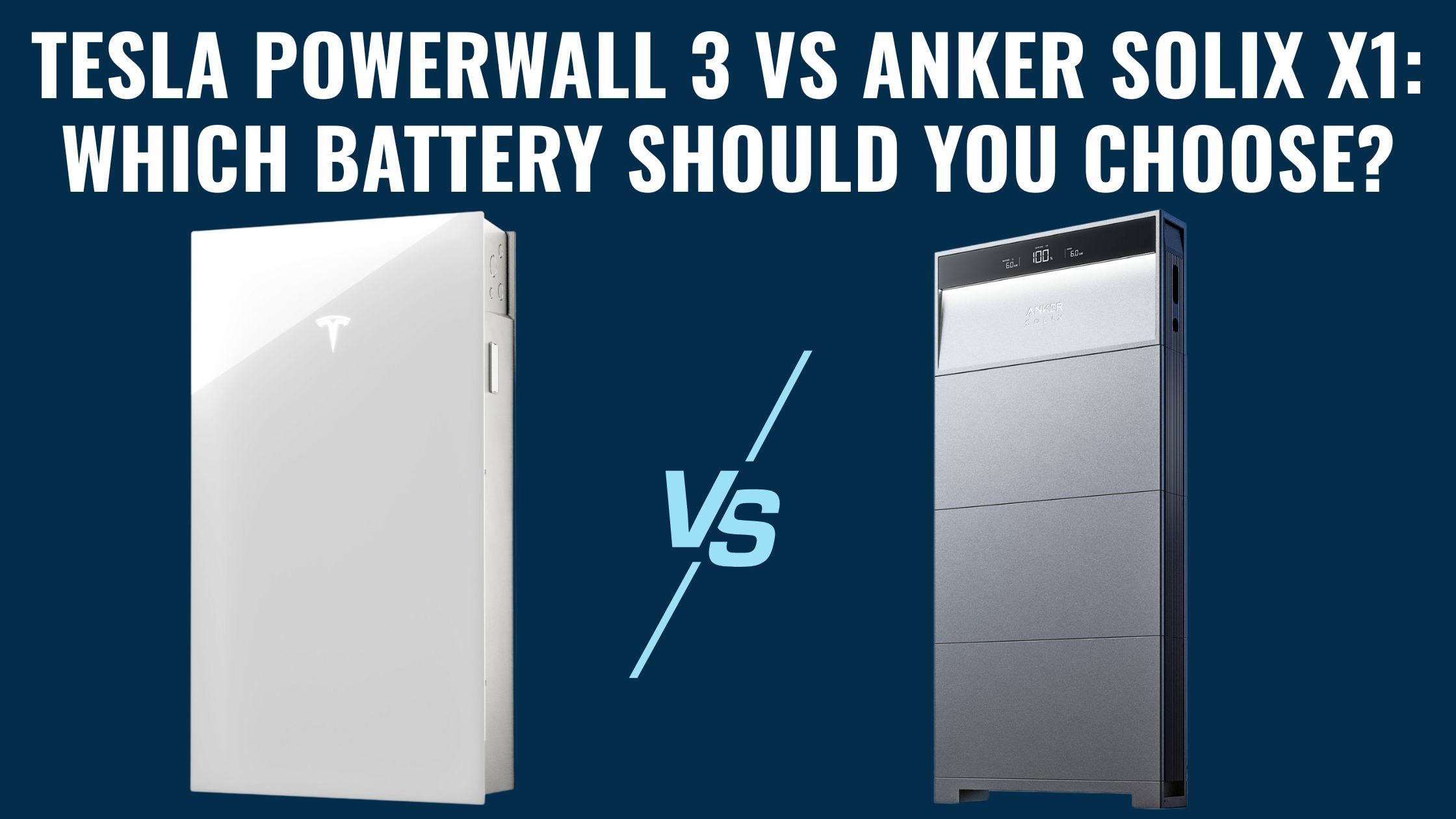
Perhaps you’ve been comparing battery storage and are now stuck with these final two options: Sigenergy Sigenstor vs Tesla Powerwall 3.
With both brands offering cutting-edge features and impressive performance, making the choice can be overwhelming. Maybe you’ve heard about Tesla’s reputation, or perhaps you’re intrigued by Sigenergy’s features. But the endgame here is this: You need a battery that offers the best performance, flexibility, and value for your investment.
So what are the differences between Sigenergy Sigenstor and Tesla Powerwall 3?
At Lenergy, we’ve helped countless businesses and homeowners understand their different choices when it comes to solar energy systems. We want you to get the right solution that will match your unique needs.
If you’re looking for the best balance of price, performance, and flexibility, we hope that this article can help you make an informed choice for your home or business.
Advanced thermal management, overcharge protection5 layers of safety protection including internal fire extinguishing system
Standard safety systems
Compatibility
Works with all inverters and solar systems
Works with all inverters and solar systems, however, it does not provide blackout functionality for existing three phase solar systems.
Design
Sleek and functional
Minimalist but restrictive
Price Range
Affordable with premium features
Expensive for what you get
Warranty
Strong 10-year warranty
10-year warranty backed by Tesla’s service
Now that you understand what these two offer at the base level, let’s go into the specifics.
Sigenergy Sigenstor vs Tesla Powerwall 3: A Breakdown
Performance and Storage Capacity
Your home battery needs to store enough energy to keep your household running efficiently.
Sigenergy Sigenstor: Designed with a modular approach, allowing you to expand storage with 5kWh or 8kWh units as needed. This means you can scale up if your energy needs increase.
Tesla Powerwall 3: Offers a fixed 13.5kWh capacity. It is modular in the fact that you can increase in 13.5kWh increments, however this is significantly less flexible
Winner: Sigenergy Sigenstor. Its modular system gives you more control over your energy storage.
Safety Features
A home battery should provide peace of mind, ensuring safety in all conditions.
Sigenergy Sigenstor: Boasts advanced thermal management, preventing overheating and ensuring consistent performance, even under heavy use. It also has
fire extinguishing system making it the safest battery on the market
Tesla Powerwall 3: Uses standard safety features but relies heavily on proprietary software for monitoring, which means more dependency on Tesla’s ecosystem.
Winner: Sigenergy SIgenstor. It prioritises everyday reliability with built-in, independent safety mechanisms.
Ease of Use and Compatibility
Your battery should integrate seamlessly with your existing solar system or any solar system for that matter so that you can have the freedom to choose and not get locked in on any brand.
Sigenergy Sigenstor: Works with all solar systems and inverters, giving you the flexibility to mix and match components.
Tesla Powerwall 3: Can be retrofitted to any solar system, but has its limitations in regard to blackout functionality.
Winner: Sigenergy SIgenstor. It is compatible with all systems in any scenario, making it far more versatile.
Cost and Warranty
Let’s talk about what really matters—how much you pay and what you get in return.
Sigenergy Sigenstor: Starts at $14,000 for a 10 kWh storage. It’s more affordable while delivering top-tier performance. It’s also backed by a strong 10-year warranty, ensuring long-term reliability.
Tesla Powerwall 3: Starts at $15,800. It has a premium price tag, mostly due to its established brand. It also offers a strong 10-year warranty.
Winner: Sigenergy Sigenstor. It’s more affordable with the same level of warranty as Tesla’s.
Pros and Cons of Tesla Powerwall 3 vs Sigenergy Sigenstor
Sigenergy Sigenstor: The Smart Choice
Tesla Powerwall 3: The Premium Option
Affordable without compromising on qualityCompatible with a wide range of solar systemsModular storage allows for customised capacityStrong safety features and reliable everyday useSimple, user-friendly controlsNewer brand compared to Tesla (but rapidly gaining recognition)
Seamless integration with Tesla ecosystemSleek design with advanced app-based controlsHigh storage capacity for large energy usersExpensive—you pay more for the brandLimited compatibility—locks you into Tesla productsService delays reported by customers
Which One Should You Choose?
The right choice between Sigenergy and Tesla Powerwall 3 comes down to your priorities, budget, and home energy needs. Here’s a quick guide to help you decide:
Choose Sigenergy if:
You want affordable, high-quality energy storage
You need flexibility to expand storage over time
You value safety and reliability
You prefer compatibility with multiple solar systems
Choose Tesla Powerwall 3 if:
You’re already invested in the Tesla ecosystem (e.g., solar panels, EVs) and want seamless integration.
High capacity and cutting-edge design are must-haves for your home.
You don’t mind paying a premium for brand reputation and advanced features.
You enjoy managing your system through sleek, app-based interfaces.
Both Sigenergy and Tesla Powerwall 3 are excellent options, offering advanced energy storage capabilities for modern homes.
Choosing Your Perfect Energy Storage Solution
Deciding between Sigenergy and Tesla Powerwall 3 doesn’t have to be overwhelming.
By now, you have a clear understanding of their strengths, whether it’s Sigenergy’s affordability and flexibility or Tesla Powerwall 3’s seamless integration and premium performance. Remember, the best choice depends on what matters most to you—compatibility, cost, design, or advanced features. Whichever you choose, investing in a battery storage system will help you save on energy costs, reduce your reliance on the grid, and enjoy more control over your home’s energy future.
For us in Lenergy, our honest MVP between the two is the Sigenergy Sigenstor battery. Sigenergy offers better features, greater flexibility, and a lower price point. It’s the smart choice for homeowners who want real value, not just a premium logo.Ready to make the switch? Contact Lenergy today, and let’s find the perfect Sigenergy battery solution for your home!
Maybe someone knocked on your door talking about this new battery with great payment options. Or maybe a friend who got one started raving about it, and now you’re curious. Whatever the reason, if you’ve heard about the Hinen Battery, you’re in the right place. With all the buzz about its performance and price, many homeowners are wondering: Is the Hinen Battery worth it?
At Lenergy, we understand what makes a home battery system reliable, cost-effective, and efficient. We’ve analysed the Hinen Battery’s performance, features, and value to help homeowners like you make informed decisions.
In this blog, you’ll learn what sets the Hinen Battery apart, its features, and whether it’s a good fit for your energy needs. By the end, you’ll have the clarity you need to decide if the Hinen Battery is the right investment for your home.
Hinen has been gaining attention in the solar market for its combination of affordability, innovative technology, and solid performance. Here’s a closer look at its key features:
Key Features of the Hinen Battery
Model: B5000
Warranty: 10 Years
Rated cycles:8,000
Battery sizes: 5 – 30 kWh
Weight: 51.4 KG
Dimensions: 534 X 500 X 175 mm
Safety Features of the Hinen Battery
It offers top-tier safety, 5-layer battery protection:
① Full coverage temperature detection ② BMS intelligent control, over-temp., over-current, over-voltage protection ③ Built-in physical short-circuit protection, protect the battery from short-circuit ④ Internal aerosol fire extinguisher ⑤ Decompression valve
Moreover, it is also:
IP65 rated, unfazed by harsh environments
Future-proof scalability, 5-30kWh expandable to meet your needs
Visible energy tracking & remote upgrade on Hinen APP
Fearlessly defying extreme temperatures, operating temperature -20℃~ 55℃
What Makes the Hinen Battery Unique?
With several solar battery options available, what sets the Hinen Battery apart? Here are the standout features that make it a compelling choice for Australian homeowners:
High-Capacity Performance
Industry-Leading 10-Year Warranty
Scalable & Future-Proof
Reliable Backup for Outages
Hinen batteries provide consistent and reliable energy storage, ensuring your home gets the power it needs when it matters most.
With a guarantee of at least 80% capacity retention after 10 years, you can invest in Hinen with confidence.
Designed with a modular system, Hinen batteries grow with your energy needs, making expansion easy as you go.
With blackout protection as an option, Hinen batteries keep your home running smoothly even when the grid goes down.
Why Add a Hinen Battery?
Solar panels are great, but without a battery, you’re only using solar power during the day while relying on the grid at night. As feed-in tariffs drop and electricity prices rise, adding a Hinen Battery makes more sense than ever.
With a Hinen Battery, you can:
Maximise Your Solar Savings – Store excess energy to use at night instead of buying expensive grid power.
Gain Energy Independence – Reduce reliance on the grid and cover up to 90% or more of your power bill.
Earn Extra Income – Join our Virtual Power Plant (VPP) and get paid for sharing stored energy.
Stay Powered During Blackouts – With optional blackout protection, your home stays running when the grid goes down.
Feature
Panels Only
Panels + Hinen Battery
Save on power during the day
✅
✅
Save on power in the evening
❌
✅
Earn extra income from VPP
❌
✅
Power your home during a blackout
❌
✅
Cover up to 90% or more of your power bill
❌
✅
A solar system with a Hinen Battery isn’t just about energy savings. It’s about control, security, and long-term financial benefits.
Final Verdict: Is the Hinen Battery Worth It?
So, let’s go to the bottomline: Is the Hinen Battery a smart investment? The answer is a resounding yes.
If you’re looking for a cost-effective, reliable, and future-proof energy solution, Hinen ticks all the right boxes. It’s a game-changer for homeowners who want to maximise their solar savings, reduce reliance on the grid, and future-proof their energy use.
Unlike other batteries that come with hidden fees, complex installations, or high upfront costs, Hinen keeps things straightforward. It’s a low-risk, high-reward investment that pays for itself over time.
So, if you’re serious about cutting your electricity bills, maximising your solar system, and securing reliable power for the future, the Hinen Battery is a clear winner.
At Lenergy, we’re committed to helping homeowners take control of their energy future. As a trusted provider of Hinen Batteries, we ensure a seamless installation, competitive pricing, and expert support every step of the way.
Ready to take the next step? Contact Lenergy today for a free consultation and customised energy savings plan.
Did you know that your electricity bills are set to increase again by up to $200? Energy regulators just dropped some big news last 13 March 2025 they’re planning to raise price caps for electricity, which means higher bills for a lot of people. In NSW, prices could go up by as much as 8.9%, while in parts of Victoria, the increase could be around 5%, or about $68.
Some households in the eastern states could see an increase of up to $200 a year. This adds to the growing cost-of-living pressure and is likely to make energy policy a big issue in the upcoming election, especially with Australia moving toward clean energy and coal power plants shutting down.
This is the last thing Australian households need right now.
So why are power prices going up—again?
While Canberra argues over solutions, you’re still left footing the bill.
In this blog, you’ll understand why your electricity bill is rising, what the political energy debate really means for you, and—most importantly—how you can take control of your energy costs.
Electricity prices across the eastern states are set to increase by up to 8.9% this year, adding as much as $200 to annual household costs. But why?
Ageing Coal Power Plants Are Failing
Australia’s electricity grid still relies heavily on coal-fired power stations, but many of these plants are old and breaking down more often. Every time a coal plant unexpectedly shuts down, there’s a shortfall in supply. To fill the gap, expensive gas-fired generators step in—driving up wholesale electricity prices.
Energy regulators have pointed to these sudden outages as a major factor in rising power costs. With more coal plants expected to close in the coming years, this issue isn’t going away anytime soon.
High Fossil Fuel Prices Are Making It Worse
Global energy prices have surged since 2022, largely due to supply chain disruptions and international demand for coal and gas. Even though Australia produces its own coal and gas, domestic prices are still affected by global markets. When coal and gas become more expensive, electricity prices follow suit.
Infrastructure and Renewable Energy Costs
Transitioning to a cleaner energy future isn’t free. The expansion of renewable energy—such as solar and wind farms—requires significant investment in infrastructure, including new transmission lines and battery storage. These costs are being factored into electricity prices, though experts argue renewables will lower bills in the long run.
Weather and Supply Issues
Australia’s energy system is highly dependent on weather conditions. A wind drought in 2023, combined with a cold winter, led to a temporary spike in wholesale prices. Events like this highlight the need for a more stable and reliable energy mix.
The Political Energy Debate: Renewables vs. Nuclear
With an election looming, both major parties are pitching different solutions to Australia’s energy crisis. The Albanese government is sticking with renewables, while the Coalition is pushing for nuclear power. But what do these plans really mean for your power bill?
Labor’s Plan: More Renewables, Lower Long-Term Costs
The Albanese government aims to boost renewables to 82% of Australia’s electricity mix by 2030. The argument? The more renewables in the system, the cheaper electricity should become over time.
Energy Minister Chris Bowen claims coal-fired power stations are unreliable and expensive, while renewable energy—once built—delivers electricity at a much lower cost. However, the transition isn’t instant. Building wind and solar farms, upgrading transmission networks, and adding battery storage all require upfront investment, which is contributing to higher power prices right now.
To help struggling households, the government is also providing energy bill subsidies, with another round expected in the upcoming federal budget.
The Coalition’s Plan: Nuclear Power as the Solution
Opposition Leader Peter Dutton is pushing for a fleet of nuclear power plants across Australia, arguing that nuclear power will provide reliable, low-emission electricity at a lower cost than renewables. The Coalition claims this plan will lead to electricity bills being 44% cheaper by 2050.
However, many energy experts and government agencies—including the CSIRO and the Australian Energy Market Operator—disagree. They argue that nuclear power is one of the most expensive energy sources to build and won’t provide cost savings compared to a renewables-based grid.
There’s also a timing problem. The Coalition’s plan wouldn’t see the first nuclear plant operational until at least 2037, meaning power prices could remain high for well over a decade. In the meantime, keeping ageing coal plants running would add more costs and reliability risks to the system.
So, Which Plan Will Actually Lower Your Power Bill?
Both sides make big claims, but the reality is complex:
Renewables are already the cheapest form of new electricity generation but require major infrastructure upgrades.
Nuclear power could provide reliable energy but is expensive and would take decades to build.
Coal and gas remain essential for now but contribute to rising costs due to global prices and ageing plants.
For now, your power bill is more likely to be impacted by short-term factors—like energy subsidies, gas prices, and grid reliability—than by long-term political promises.
What Should You Do to Manage Rising Electricity Costs?
With power prices climbing, you don’t have to just accept higher bills. There are practical steps you can take to cut costs and improve energy efficiency at home. Here’s how:
Compare Energy Plans and Switch Providers
Many households are on default electricity plans, which are often more expensive than competitive market offers. You can potentially save hundreds per year by shopping around for a better deal.
Use comparison websites like Energy Made Easy (for most states) or Victoria’s Energy Compare to find a cheaper plan.
Look for discounts on usage rates or sign-up incentives.
Consider fixed-rate plans to lock in lower prices and avoid sudden hikes.
Reduce Energy Use Without Sacrificing Comfort
Small changes can add up to big savings on your power bill.
Upgrade to LED lights – They use 75% less energy than incandescent bulbs.
Switch off appliances at the wall – “Vampire power” from standby mode can cost $100+ per year.
Wash clothes in cold water – Heating water accounts for 90% of washing machine energy use.
Adjust your thermostat – Setting it 1°C higher in summer or lower in winter can save up to 10% on heating/cooling costs.
Take Advantage of Government Rebates and Solar Incentives
There are government rebates available that can help reduce your electricity bills:
Solar rebates & feed-in tariffs – If you install solar panels, you can earn money by feeding excess energy back into the grid.
Energy bill concessions – Check if you qualify for low-income household rebates or senior discounts in your state.
Energy efficiency upgrades – Some states offer grants for home insulation, efficient appliances, or battery storage systems.
Invest in Solar
While the upfront cost of installing solar panels can be high, they can pay for themselves within a few years. Households with solar can save up to $1,000 per year on electricity, depending on usage and location.
If you already have solar, consider:
Adding battery storage to use solar power at night.
Switching to a better feed-in tariff to get paid more for excess energy.
Let Lenergy Help You Cut Your Power Bills
Electricity prices are going up, and political debates won’t change that overnight. But by choosing the right energy plan, improving efficiency, and considering solar, you can take control of your power costs.
At Lenergy, we help Australian households and businesses slash their electricity bills by offering expert advice, solar solutions, and access to the best energy plans. Whether you’re looking to switch providers, install solar panels, or maximise your energy savings, we’re here to help.
Are you considering solar energy? Have you just received three quotes, all for the same products but at completely different prices? Are you wondering, “Why are these prices so different for the exact same product?”
This is one of the most frequent questions we hear from homeowners like you who are looking to make the switch to solar.
The guy charging a lot seems a bit dodgy, doesn’t he? But before you jump to conclusions, let us, with our years of experience in the solar industry, shed some light on this issue. We typically sit on the more expensive side of solar installations and we’ll share exactly what influences this.
In this article, you’ll discover exactly why some companies charge more or less than others, what drives these price discrepancies, and how to make sense of it all so you can make the best decision for your solar investment.
One of the key factors influencing the price you’re quoted for solar products is the access that some companies have with certain brands and the deals they may negotiate with them. Larger solar companies often have the advantage of buying in bulk or establishing partnerships with specific manufacturers. This allows them to secure discounts that smaller companies might not have access to.
Think of it like this: if a company is purchasing hundreds of solar panels at a time, they’re likely to get a better price per unit than a company buying just a few. These savings can then be passed on to you, the customer. However, this doesn’t always mean that the lowest price is the best option. Sometimes, companies might offer lower prices on products that aren’t as high quality or don’t come with the best warranties.
On the flip side, smaller companies might charge more because they don’t have these bulk buying deals in place. However, they might offer more personalised service or use higher-end products that they believe offer better value in the long run. It’s all about understanding what you’re getting for your money.
This variation in access to brand deals is one reason why you’ll see different prices for the same solar products from different companies. But it’s not the only factor at play. Let’s dive into how the size of the company and its overheads can also impact pricing.
Size of the Company
Another significant factor that influences the price you’re quoted is the size of the company and the associated overheads. Larger companies often have more extensive operations, including multiple offices, a larger workforce, dedicated operations managers and customer care teams. These added expenses contribute to higher operational costs, which are often reflected in their pricing.
For example, a national solar company with a big brand presence needs to charge more to cover its higher overheads. While this can lead to higher prices, it can also mean a more established reputation and potentially better customer service.
It’s like buying a cup of coffee, you’re not just paying for the coffee beans, milk, and sugar; you’re also contributing the café’s rent, staff wages, and other operational costs.
On the other hand, smaller, local companies might operate with lower overheads. They may have fewer employees, less expensive office spaces, and lower operating costs. This leaner operation can allow them to offer more competitive pricing. However, while lower overheads can lead to lower prices, it’s important to ensure that these companies still offer the quality and reliability you need.
It is also important to consider the longevity of the company. Since 2011, 750 solar companies have gone under and a lot of these were pop up solar companies with no commitment to warehouse rent, building a customer base or a good reputation.
In summary, the size of the company and its overheads play a crucial role in the pricing of solar products. While larger companies might charge more due to their extensive operations, smaller companies might offer lower prices due to their leaner setups. But pricing alone shouldn’t be the only factor in your decision; service quality and the company’s reputation are also key considerations.
There are a few ways to see if a solar company is committed to being around for a long time.
Online Reviews
Established Website and Social Media
Customer Case Studies
Renting Warehouses or Office spaces
Company Vehicles
Frequency and Size of Installs
The frequency and size of installations that a solar company handles can also significantly affect the prices they charge. Companies that regularly perform larger or more frequent installations often develop greater efficiencies in their processes. These efficiencies can include streamlined logistics, more skilled labour, and bulk discounts on materials, all of which can lead to cost savings.
For instance, a company that installs solar systems every day may have a well-honed process, reducing the time and labour required for each job. They might also purchase equipment in larger quantities, further reducing costs. These savings can then be passed on to you, resulting in a lower overall price for your installation.
On the other hand, a smaller company that only installs a few systems each month might not have these efficiencies. They may spend more time on each installation or pay higher prices for materials due to smaller order sizes. As a result, their costs, and the prices they charge you, can be higher.
In short, the frequency and size of a company’s installations can influence their pricing strategy. High-volume companies might offer lower prices due to efficiencies, while smaller companies might charge more. Balancing cost with service quality is key when choosing a solar provider.
Now that we’ve covered the main factors that influence solar pricing, let’s move on to what you should consider beyond just the price when choosing a solar company.
What to Consider Beyond Price
While price is an important factor in choosing a solar company, it’s not the only thing you should consider. Focusing solely on cost can sometimes lead to compromises in quality, service, or long-term satisfaction. Here are a few key aspects to weigh alongside the price:
1. Quality of Products and Installation
Not all solar panels and inverters are created equal. Even if two companies are offering the same brand, there might be differences in the model, efficiency, or warranty that can affect the overall performance of your system.
Additionally, the quality of the installation itself is crucial. A poorly installed system can lead to issues like reduced efficiency or even damage over time, which could cost you more in the long run. When comparing quotes, ask about the specific products being used and the experience level of the installation team.
2. Service and Support
Solar systems are a long-term investment, so it’s essential to choose a company that offers reliable service and support. Consider how responsive the company is to your questions, how they handle after-sales service, and what kind of customer support they provide.
A company that offers a slightly higher price but excellent service and support might be worth the extra cost, especially if it means peace of mind over the years to come.
3. Warranty and Guarantees
Warranties are another critical factor. A company offering a lower price might cut corners on the warranty, offering less coverage for the panels, inverters, or the installation itself.
A robust warranty can save you significant money in case anything goes wrong, so it’s vital to understand what is and isn’t covered. Ensure that you’re getting a comprehensive warranty that covers both the equipment and the workmanship.
4. Company Reputation
Lastly, consider the reputation of the company. Look for reviews, testimonials, and case studies from previous customers. A well-regarded company is more likely to deliver a positive experience, even if their quote isn’t the cheapest.
A solid reputation often indicates reliability, quality, and a commitment to customer satisfaction, all of which are invaluable when making such a significant investment.
5. Subcontractors
The use of subcontractors can also affect pricing. While subcontracting isn’t always a negative, we’ve seen situations where the installation company becomes unreachable when issues arise. We touch on this topic in our article here
Watt a Perfect Match: Solar and Stability.
Choosing a solar company isn’t just about finding the lowest price, it’s about finding the best value for your money. By understanding why prices differ, from brand access and company size to installation efficiency, you’re better equipped to make a decision that balances cost with quality and long-term satisfaction.
Stop me if this sounds familiar: “Don’t trust subcontractors for your solar installation.”
You’ve probably heard it before, right? Yet, those subcontractors are a few thousand dollars cheaper than the company with in-house installers. Now, you’re left wondering if paying that extra money will really get you better service.
This is one of the longest-standing debates in the solar industry, subcontractors vs. in-house installers. If you’re feeling torn between the two options, you’re definitely not alone.
We use in-house installers, but we’re not here to preach that you should only go with in-house teams. While it’s easy to assume that in-house installers guarantee better quality, the reality is more nuanced. Many reputable solar companies use subcontractors and still maintain excellent standards.
In this article, you’ll learn about the differences between in-house installers and subcontractors. We’ll explore their roles, compare quality and accountability, and discuss after-sales support.
Most importantly, you’ll discover that the key to a successful solar installation lies in choosing a reputable solar company, regardless of their installation method.
In-house installers are technicians employed directly by the solar company. These teams are usually on the company’s payroll and work exclusively for them. This employment structure can offer several benefits:
Training and Standards: Since the solar company directly employs these installers, they often receive consistent training aligned with the company’s standards and procedures. This can lead to a uniform quality of work and adherence to best practices.
Accountability: With in-house installers, the company has more direct control over their work. If issues arise, it’s clear who is responsible, making it easier to address and resolve problems quickly.
Communication: Direct communication between the solar company and its installation team can streamline processes and reduce misunderstandings. This can be particularly beneficial during complex installations or when specific customer requirements need to be met.
However, there are some considerations to keep in mind:
Higher Costs: Maintaining an in-house team can be more expensive for the company, which may result in higher costs for the consumer. Salaries, benefits, and ongoing training are significant expenses.
Availability and Flexibility: In-house teams may be limited in size, which can impact their availability. During peak installation times, there may be longer waiting periods for your solar system to be installed.
The Role of Subcontractors in Solar Installations
Subcontractors are independent professionals or teams hired by solar companies to carry out installations. This model has its own set of advantages:
Scalability and Flexibility: Subcontractors allow solar companies to scale their operations quickly to meet high demand. This flexibility means that your solar installation might be completed faster, especially during peak periods.
Cost-Effectiveness: Using subcontractors can reduce overhead costs for solar companies. These savings are often passed on to customers, making installations more affordable.
Specialised Expertise: Subcontractors often work with multiple companies and may bring a wealth of experience and specialised skills to the table. This level of experience can be beneficial for handling hard or unique installation scenarios.
However, potential concerns with subcontractors include:
Variable Quality: Since subcontractors are independent, the quality of their work can vary. Ensuring consistent standards across different subcontractors can be challenging for solar companies.
Accountability and Communication: With subcontractors, there may be more layers of communication. Which can sometimes lead to misunderstandings or delays. Additionally, if issues arise, it can be less clear who is accountable, potentially complicating resolution efforts.
Dependence on Relationships: The success of using subcontractors heavily depends on the relationship and agreements between the solar company and the subcontractors. These companies will have strong relationships with strict hiring process, to ensure high-quality work.
Comparing Quality and Accountability
When it comes to solar installations, quality and accountability are paramount. Both in-house installers and subcontractors can provide high-quality installations. The approach to providing this quality and accountability differs between the two models.
In-house installerstypically undergo consistent training programs set by the company. This way all team members work to the same high standards. Since these installers are employees, the company can enforce uniform installation procedures and quality control measures more effectively. Over time, in-house teams can become highly skilled in the company’s specific processes and products, leading to a high level of expertise.
Subcontractors often have extensive experience working with various systems and companies. This can enhance their problem-solving skills and adaptability. Their exposure to different projects can bring great knowledge and innovative techniques. Reputable solar companies have strict hiring processes. This includes ongoing quality checks to ensure subcontractors meet their standards.
In-House Installers:
Direct Oversight: The company has direct oversight of in-house teams. Which makes it easier to manage performance and address any issues swiftly.
Clear Responsibility: Accountability is straightforward since the installers are direct employees, simplifying conflict resolution and customer support.
Customer Trust: Customers may feel more reassured knowing the installers are directly employed by the solar company.
Subcontractors:
Contractual Agreements: Subcontractors work under detailed contracts that outline expectations, standards, and accountability measures. This can ensure high performance and adherence to company policies.
Reputation Management: Reputable companies closely monitor their subcontractors, requiring regular updates and conducting random inspections to maintain high standards.
Customer Feedback: Many solar companies use customer feedback to assess subcontractor performance continuously, making adjustments as needed to ensure customer satisfaction.
After-Sales Service and Support
After-sales service and support are crucial components of a positive solar installation experience. Whether a company uses in-house installers or subcontractors, the key is how well they manage and deliver this support.
In-House Installers
Seamless Support:
Integrated Teams: In-house installers are part of the same company that provides customer support. This can mean seamless communication and a cohesive approach to addressing issues.
Direct Accountability: If there are any problems post-installation, it’s easier to trace and resolve them. This will lead to quicker resolution times.
Consistent Follow-Up: Companies with in-house teams can provide consistent follow-up services, maintenance, and inspections, enhancing customer satisfaction and system performance.
Subcontractors
Managed by Reputable Companies:
Dedicated Support Teams: Some reputable solar companies have dedicated customer support teams. These teams look after all the after-sales care, if needed. It is important to ask the company if they offer this.
Service Level Agreements (SLAs): Contracts with subcontractors often include SLAs. These specify the level of service and support required, ensuring that customers receive the same high standard of care.
Accountability Systems: Good solar companies have robust systems in place to track and manage any issues that arise. This ensures subcontractors are held accountable for their work. And that any customer problems are resolved promptly.
The decision to go solar is significant! So choosing the right solar company is crucial for a successful installation. It is also crucial for long-term satisfaction. Whether a company uses in-house installers or subcontractors, the focus should be on the company’s reputation and commitment to quality. Here’s how you can ensure you’re making the best choice:
Customer Testimonials:
Online Reviews: Look for reviews on platforms like Google, SolarQuotes, and other reputable review sites. Pay attention to recurring themes in customer feedback, both positive and negative.
Regarding a well known solar company that exclusively uses subcontractors. We witness this firsthand, when customers come to us after failing to reach their original installer. This ends up costing you twice as much.
Case Studies and Testimonials: Many solar companies provide case studies and testimonials on their websites. These can give you a sense of their customer service, quality of work, and overall reliability.
Industry Reputation:
Accreditations and Certifications: Check if the company has industry accreditations. Some are approval from the Clean Energy Council (CEC) in Australia. Certifications can show a commitment to high standards.
Awards and Recognition: Companies that have received industry awards or recognition often stand out for their quality and service.
Transparency and Communication
Clear Information:
Detailed Quotes: A reputable company will provide detailed quotes. These will break down the costs, including equipment, installation, and any additional services.
Transparent Contracts: Ensure the contract clearly outlines the terms of the installation and warranties. This is especially important when subcontractors are involved.
Open Communication:
Responsive Customer Service: Test the company’s responsiveness by reaching out with questions. Their willingness to provide clear, prompt answers can be indicative of their service quality.
Consultation Process: A good solar company will offer a thorough consultation process. Helping you understand your options and tailor solutions to your specific needs.
Warranty and Maintenance:
In-House Installers: Companies with in-house teams might offer longer warranties for the workmanship. Maintenance plans might also be easier to manage and integrate.
Subcontractors: Reputable solar companies using subcontractors can offer strong warranties and maintenance plans. They ensure that subcontractors adhere to the same standards and honour these commitments.
Customer Feedback:
In-House Installers: Feedback can directly influence training and process improvements within the company, leading to better service over time.
Subcontractors: Companies that use subcontractors often have rigorous feedback and review systems. Ongoing assessment of subcontractor performance helps maintain high standards and address any issues.
Ultimately, the key to excellent after-sales service lies in the company’s commitment to customer care, regardless of the installation method.
Subcontractors vs. In-House Installers: The Bottom Line
The choice between in-house installers and subcontractors shouldn’t be the main deciding factor. Instead, focus on the overall reputation, quality assurance, and support offered by the solar company. A reputable company, whether using in-house teams or subcontractors, will ensure high standards and excellent customer care.
By choosing a company with a strong track record, transparent practices, and a commitment to quality, you can feel confident in your solar investment. This approach ensures that your installation will be reliable and well-supported, giving you peace of mind.