How Long Does the Tesla Powerwall 3 Last? Warranty Breakdown
A Tesla Powerwall 3 is a long-term investment.
At $14,000–$18,000 installed, the real question isn’t how it performs on day one — it’s how it performs in year eight, nine, and ten.
As certified Tesla installers, we’ve worked directly with Powerwall systems for years and have reviewed Tesla’s official Australian warranty documents in detail. What we’ve learned is most confusion around battery lifespan doesn’t come from the technology itself. It comes from misunderstood expectations.
There’s a big difference between:
- How long a battery can operate
- How fast it degrades
- And what Tesla actually guarantees in writing
In this article, you’ll get a clear breakdown of how long the Tesla Powerwall 3 is expected to last, exactly what the 10-year warranty covers (based on Tesla’s own documents), how degradation plays out in real homes, and what the recent Powerwall recall tells you about long-term support.
How Long Does the Tesla Powerwall 3 Actually Last?
The Warranty Answer: 10 Years
Tesla provides a 10-year product and performance warranty in Australia (see Tesla’s official AU warranty document).
That covers:
- Manufacturing defects
- Performance guarantee
- Minimum capacity retention
But a 10-year warranty does not mean it dies in year 11.

The Realistic Lifespan: 10–15+ Years
Powerwall 3 uses LFP (Lithium Iron Phosphate) chemistry. That’s:
- More stable than older lithium blends
- Better for high cycle life
- Less prone to thermal runaway
Based on real-world Powerwall 2 data and current LFP performance, most units should comfortably operate 10–15+ years, assuming normal residential use. It won’t be operating at full capacity in 12 years but if it has been taken care of it will most likely still be running.
What Does the 10-Year Warranty Actually Guarantee?
Straight from Tesla’s Australian warranty document:
- 10-year coverage from installation
- Minimum 70% usable capacity at year 10
- No throughput cap for standard residential use
So for someone who installs a single Powerwall 3 with the usable capacity = 13.5 kWh. At 70%, that’s: 9.45 kWh guaranteed at year 10. If it drops below that inside warranty, Tesla must repair or replace it.
How Much Will It Degrade?
All batteries degrade in time.
With LFP chemistry, you’re typically looking at:
- ~1.5–2.5% per year
- Slight early drop, then steady decline
By year 10, you’re likely somewhere around 70–80% capacity.
That doesn’t mean it stops working.
It means your 13.5 kWh battery might feel like a 10–11 kWh battery.
How Do You Offset Degradation Over Time?
Simple strategy: oversize your system from day one.
If you’re eligible for a battery rebate (like Tesla’s incentive or state/federal programs), that rebate is calculated on installed capacity and can only be claimed once.
Installing slightly more storage upfront:
- Maximises rebate value
- Gives you more usable capacity early
- Offsets natural degradation later
- Future-proofs EV charging or load growth
In other words, instead of buying exactly what you need today, you allow for what you usage might look like in 10 years.
Is 10 Years a Good Warranty in 2026?
Yes — but context matters.
Most premium batteries in Australia offer:
- 10-year warranty
- 60–70% retention
There are batteries with longer warranties such as Enphase which offers a 15-year warranty on some of its battery systems.
On paper, that longer term can look appealing — and for some homeowners, it may absolutely suit their priorities, particularly if long-term warranty coverage is high on the list.
However, warranty length shouldn’t be viewed in isolation. Enphase systems typically sit at a higher price point, so it’s important to consider whether the additional five years of coverage meaningfully changes your long-term outcome.
For many households, the performance difference between year 10 and year 15 may be modest, especially when battery technology and pricing are likely to continue evolving over that timeframe.
A longer warranty can provide peace of mind — but it’s worth weighing whether the premium aligns with your goals, usage profile, and budget.
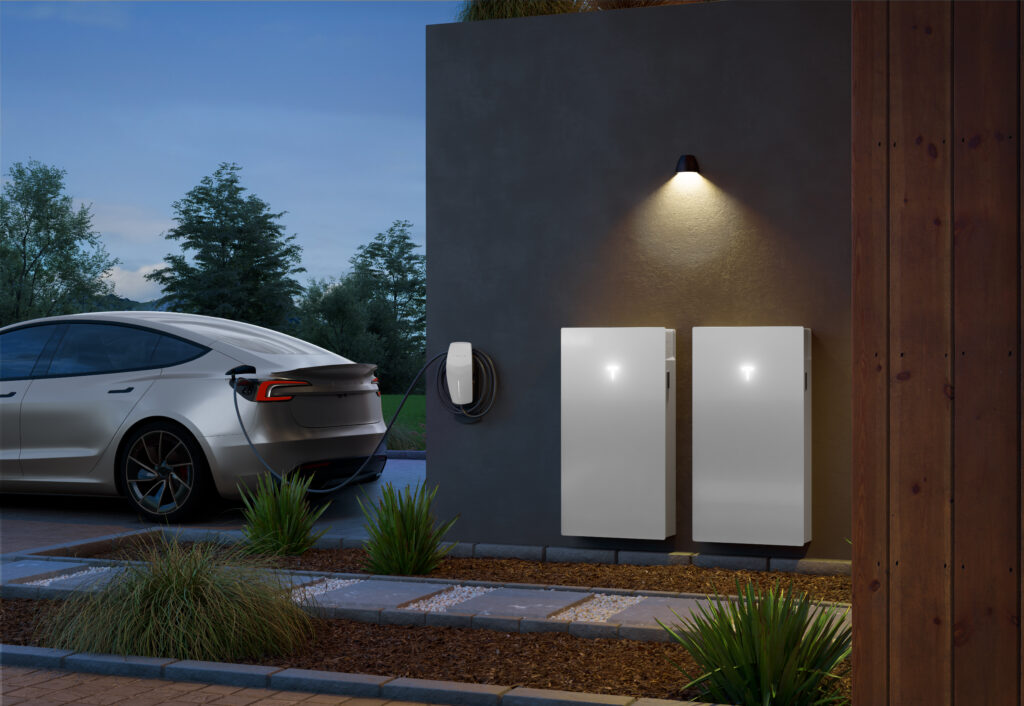
Tesla, by comparison, sits in the strong middle of the market:
- 10-year warranty
- 70% retention guarantee
- No residential throughput cap
- Backed by large-scale global support
It’s not positioned as the longest warranty available. It’s positioned as stable, clear, and commercially balanced. For many homeowners, that combination is what matters most.
What the Powerwall 2 Recall Taught Us (And Why It Matters)
In 2025, Tesla issued a recall affecting certain Powerwall 2 units installed in Australia due to a component-related overheating risk.
Let’s be clear about what it wasn’t.
It wasn’t a widespread battery fire crisis.
It wasn’t a chemistry failure.
It wasn’t a systemic collapse of the Powerwall platform.
It was a batch-specific component issue that required corrective action.
How Tesla Responded
This is where the real takeaway sits.
Tesla:
- Identified affected units through remote monitoring systems
- Notified impacted customers directly
- Coordinated inspections and replacement pathways
- Worked through certified installers
- Managed communication through official channels
It was handled as a formal recall — not quietly dismissed or delayed.
For homeowners, that matters.
No manufacturer operating at global scale is immune from component faults. The difference is how they respond when something surfaces. In this case, Tesla responded publicly, systematically, and with replacement solutions in place.
Why This Matters for Powerwall 3 Buyers
When you’re buying a battery expected to sit on your wall for 10–15 years, the warranty document is only part of the equation.
Manufacturer behaviour is the other half.
The recall demonstrated that:
- Tesla has remote diagnostic capability
- Tesla has Australian support infrastructure
- Tesla has supply chain capacity to address issues
Powerwall 3 is a different internal architecture from Powerwall 2. That doesn’t make it immune from future issues — no product is. However it does show that when problems arise, Tesla has shown it will act at scale, and long-term support capability is just as important as warranty wording.
What Could Void Your Warranty?
Most warranty failures come down to:
- Poor installation
- Environmental misuse (flood exposure etc.)
- Disconnecting internet long-term
- Unauthorised modifications
Powerwall 3 must remain connected for monitoring and firmware updates.
VPP participation is allowed, however, it is important to be aware that more cycling = more wear.
How Does It Compare to Sigenergy or Anker?
On paper:
- 10-year warranties
- LFP chemistry
- Similar retention
Where Tesla stands out:
- No residential throughput cap
- Global install base
- Proven long-term support behaviour
When it comes to these batteries the warranty itself is not the distinguishing feature, if you’re wanting to dive deeper into how they differ read more here:
Final Verdict
The Tesla Powerwall 3 is not immortal.
It will degrade.
It will lose capacity.
It will age.
However:
- It’s contractually protected for 10 years
- It’s guaranteed to retain at least 70% capacity
- It should realistically operate 10–15+ years
- It’s backed by a manufacturer that has shown it responds when issues arise
The smarter play isn’t chasing the longest warranty number.
It’s:
- Sizing it properly
- Installing it correctly
- Planning for natural degradation
- Choosing a brand that will still exist in year 9
- Picking a quality installer
Read more on the Powerwall 3 itself

Or if you are ready to speak to a specialist about what battery is the right option for you, reach out to our staff at Lenergy to speak with one of our specialists.
FAQ: Tesla Powerwall 3 Lifespan & Warranty
How long does the Tesla Powerwall 3 last?
Realistically 10–15+ years under normal residential use.
What is the Tesla Powerwall 3 warranty?
10 years with a guaranteed minimum of 70% usable capacity at year 10.
Does Powerwall 3 have a throughput limit?
No throughput cap for standard residential self-consumption use.
Will joining a VPP void the warranty?
No, if operated within Tesla-approved parameters. But increased cycling increases natural wear.
What happens after 10 years?
The battery continues operating — it’s just no longer under guaranteed performance terms.
Is a 15-year battery warranty better?
Not automatically. Brands like Enphase offer 15 years, but often at a price premium that doesn’t deliver proportionate value.
How can I protect against degradation?
Oversize slightly at install to maximise rebate value and ensure usable capacity remains strong in year 10+.