Sigenergy SigenStor vs GoodWe ESA: Which Solar Battery Is Right for Your Home?
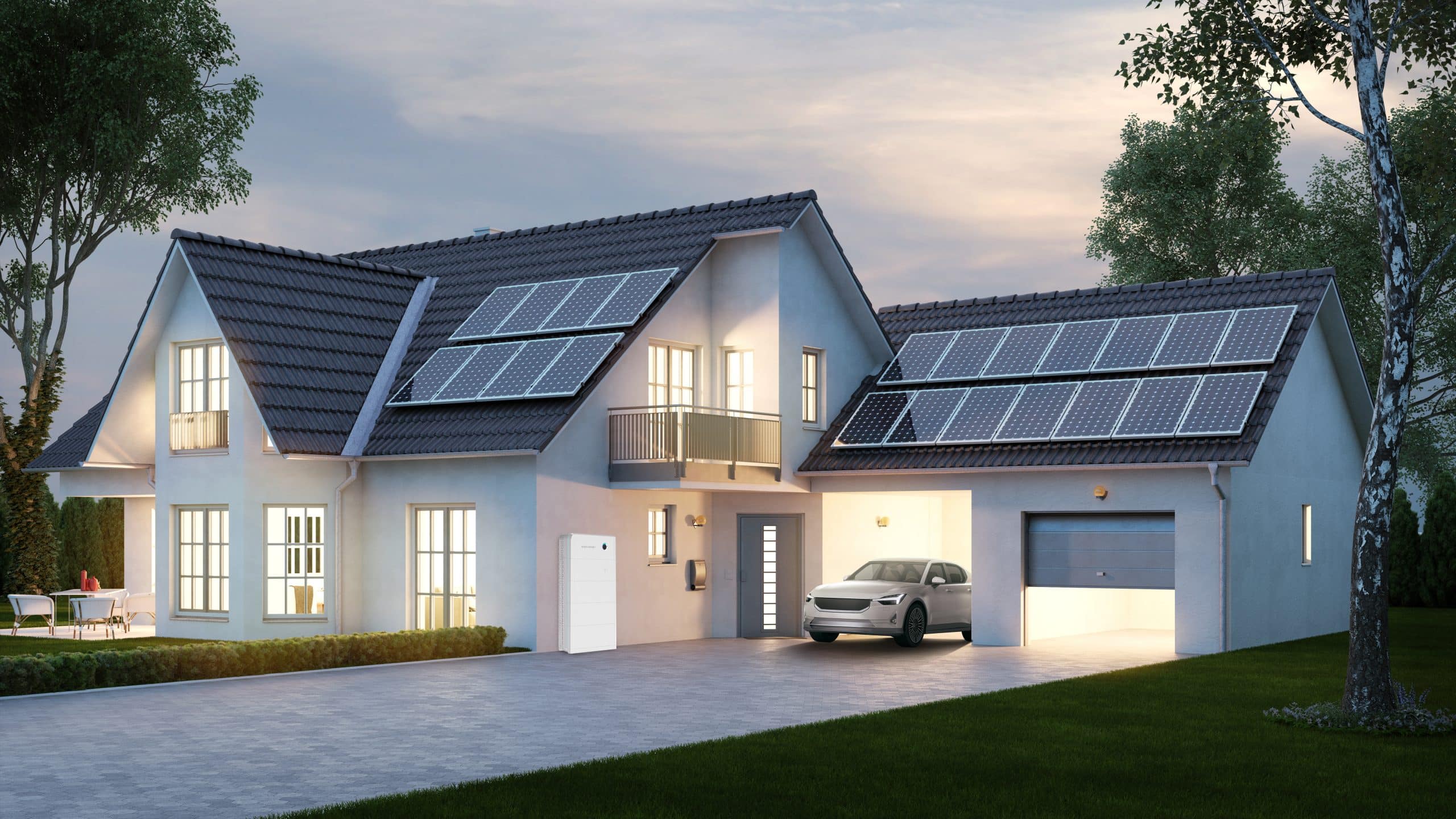
For the past year and a half, the Sigenergy SigenStor has largely set the benchmark for all-in-one home energy systems. With its modular design, integrated inverter, EV charging capability and smart energy ecosystem, it quickly became one of the most talked-about battery platforms in the Australian market.
More recently, however, GoodWe has entered the same space with its new ESA series. The ESA follows a similar all-in-one philosophy — combining the inverter, battery storage and energy management into a single platform — positioning it as a strong new alternative in a category SigenStor helped popularise.
Naturally, this has led many homeowners and installers to ask the same question: how do these two systems actually compare?
Here at Lenergy we are recognised as a Sigenergy Gold Installer, however, we know it is not the right fit for everyone, as GoodWe’s new ESA series emerges onto the market we are finding for many it is an excellent alternative. The key is understanding which one will meet your needs before you make a decision that could stay on your wall for the next decade.
In this article you’ll learn:
- GoodWe ESA vs Sigenergy SigenStor: Quick Comparison
- Verdict: GoodWe ESA vs Sigenergy SigenStor
- GoodWe ESA Overview
- Sigenergy SigenStor Overview
- Backup Power and Blackout Protection
- Inverter Sizes: GoodWe ESA vs Sigenergy SigenStor
- Power and Capacity Comparison
- Three-Phase and Two-Phase Compatibility
- Expandability and Smart Energy Features
- Monitoring Apps and Energy Management
- Safety Features: GoodWe ESA vs Sigenergy SigenStor
- Warranty Comparison
- Cost and Value: GoodWe ESA vs SigenStor
- Which Battery Is Better For Different Homes?
- GoodWe ESA vs Sigenergy SigenStor: Which One Should You Choose?
- FAQ: GoodWe ESA vs Sigenergy SigenStor
GoodWe ESA vs Sigenergy SigenStor: Quick Comparison
| Feature | GoodWe ESA | Sigenergy SigenStor |
| Market Position | Mid-tier battery system | Premium energy ecosystem |
| System Design | All-in-one modular battery with built-in inverter and gateway | All-in-one modular battery stack with in-built inverter and separate gateway |
| Time in Australian Market | New product line | Installed for ~18 months |
| Battery Expansion | Modular design: expandable with 5kWh or 8kWh units | Modular design: expandable with 5kWh or 8kWh units |
| Single-Phase Inverter | 3kW, 3.6kW, 5kW, 6kW, 8kW, 9.99 kW | 6kW, 8kW, 10kW, 12kW |
| Three-Phase Inverter | 5kW, 6kW, 8kW, 9.99kW, 10kW, 12kW, 15kW, 20kW, 25kW, 29.99kW, 30kW | 10kW, 15kW, 20kW, 25kW, 30kW |
| Two-Phase Compatibility | Not typical | Can support rare two-phase homes |
| Backup Capability | Backup supported depending on system design | Full home backup |
| EV Charger Integration | Works with external EV chargers | Designed to integrate with Sigenergy EV charger |
| Smart Appliance Control | Standard energy monitoring | Smart Ports for appliance automation |
| Generator Compatibility | Generator integration possible | Designed with generator compatibility in mind |
| Virtual Power Plant | Compatible with some VPP programs | Broad VPP compatibility |
| Monitoring App | GoodWe SEMS monitoring | Sigenergy smart energy platform |
Verdict: GoodWe ESA vs Sigenergy SigenStor
If you’re trying to decide between the GoodWe ESA vs Sigenergy SigenStor, the better option usually depends on what you want your home energy system to do.
The GoodWe ESA is generally the better fit for homeowners who want a simpler solar battery system. It combines the inverter, battery and gateway into one integrated unit, which can make installation more straightforward and often places it in a mid-tier price category compared with more advanced energy ecosystems.
It can be particularly appealing for homeowners who:
- want a straightforward solar battery for storing excess solar energy
- want backup power during outages
- have a three-phase home looking for a more affordable battery option
The Sigenergy SigenStor, on the other hand, is designed more as a premium modular energy platform.
Rather than focusing purely on battery storage, the system is built to integrate multiple energy technologies such as:
- EV charging
- smart appliance control
- Virtual Power Plant participation
- generator integration
This makes it attractive for homeowners planning a more electrified home energy setup over time.
In simple terms:
- Choose GoodWe ESA if you want a simpler, mid-priced solar battery system.
- Choose Sigenergy SigenStor if you want a more advanced energy ecosystem with greater flexibility.
Both systems can work well when installed correctly — and in many cases the quality of the system design and installer matters just as much as the battery brand itself.
GoodWe ESA Overview
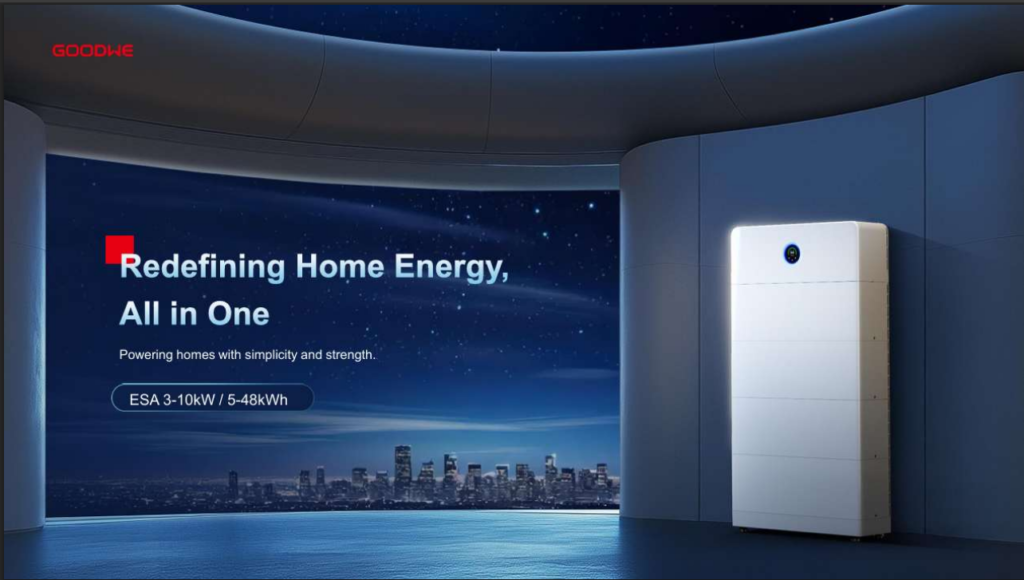
The GoodWe ESA is designed as a modern all-in-one energy storage system.
Instead of installing multiple devices separately, the ESA integrates several components into one system, including:
- hybrid inverter
- battery modules
- built-in gateway
- energy management controls
Because the gateway is built into the unit, installation can be simpler with fewer external components.
GoodWe itself is a well-established inverter manufacturer in Australia, but the ESA series is part of the company’s newer push into fully integrated home energy systems.
In terms of positioning, the ESA generally sits in the mid-tier price range, making it appealing for homeowners who want a battery system without moving into the highest price category.
If you want a deeper breakdown of the system, you can read the full review here.
Sigenergy SigenStor Overview
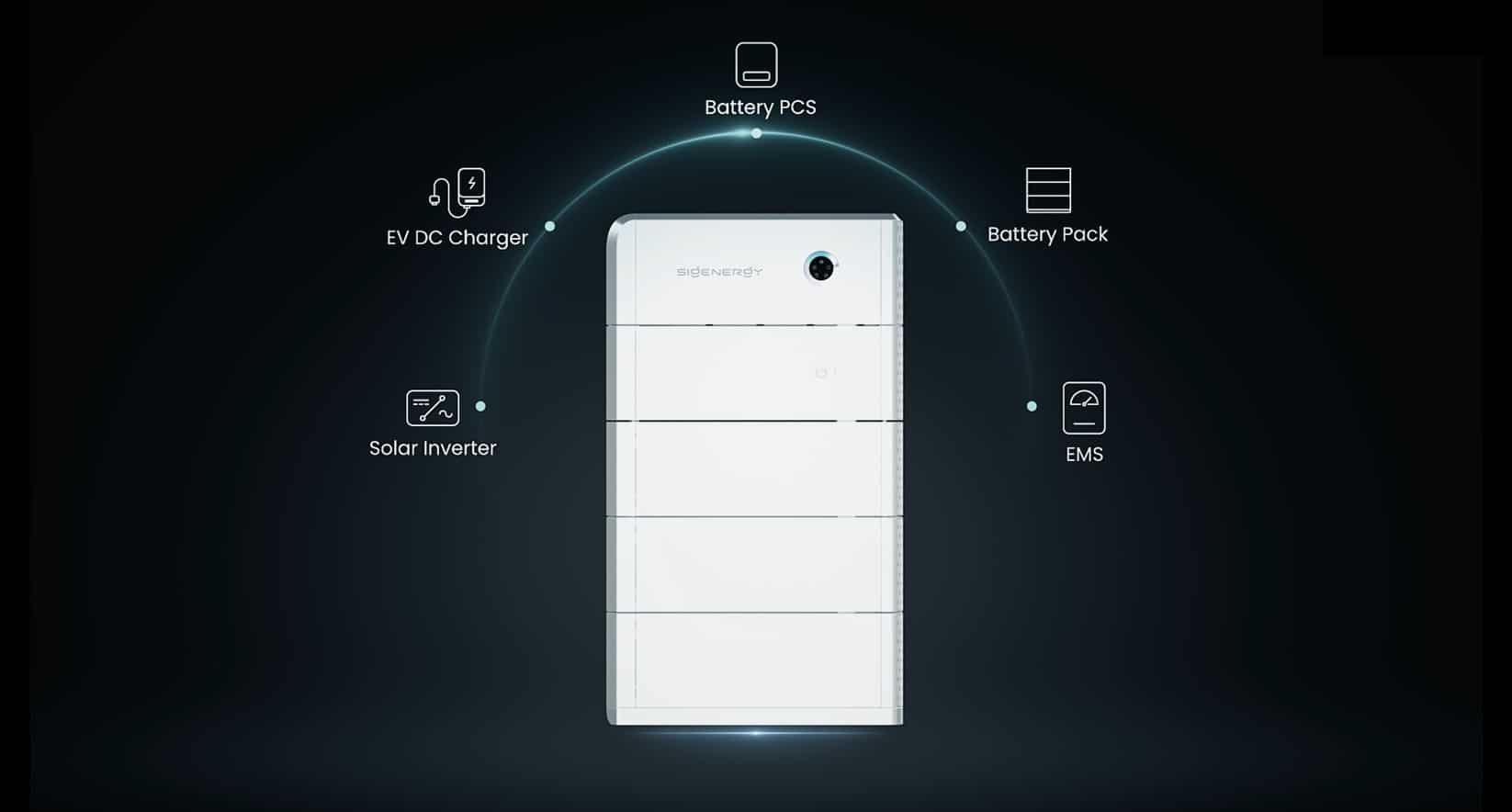
The Sigenergy SigenStor is the all-in-one fully integrated modular home energy ecosystem that has held the crown as the NO.1 battery brand in Australia pretty much since it stormed the market a year and a half ago. One can’t help but notice the similarity in design the new GoodWe ESA series has to the Sigenstor.
The system is built from stacked modules that can include:
- hybrid inverter module
- stackable battery modules
- separate gateway
- optional EV charger and smart energy devices
Because the gateway sits separate from the battery stack, the system has more flexibility in how energy flows are managed throughout the home.
SigenStor is generally considered a premium battery system, especially when homeowners add additional features such as EV charging integration or smart appliance automation.
If you want to learn more about the system architecture, this article explains it in more detail.
You can also read another comparison involving SigenStor here.
Backup Power and Blackout Protection
One of the main reasons homeowners install batteries is blackout protection.
Both the GoodWe ESA and the SigenStor can provide backup power, but the amount of the home that can run during an outage depends on system design and inverter capacity.
Most homes use essential load backup, where only selected circuits are powered during an outage. These often include:
- lights
- refrigerators
- internet equipment
- selected power outlets
Whole-home backup can sometimes be possible, but it depends heavily on inverter output and household loads.
For example, single-phase GoodWe ESA systems typically have around 10kW inverter capacity, which may limit how many large appliances can run simultaneously.
SigenStor systems are more customisable, which may help when designing systems for homes with larger electrical loads such as ducted air conditioning or EV charging.
Homeowners may also notice slightly different behaviour during blackout switchover:
- GoodWe ESA systems may cause brief light flicker when switching to backup mode
- SigenStor transitions are often smoother
In practice though, the biggest factor in blackout performance is system design and inverter sizing.
Inverter Sizes: GoodWe ESA vs Sigenergy SigenStor
When comparing solar batteries, one specification that often gets overlooked is the inverter size.
The inverter determines how much power the battery system can deliver at one time, which affects things like:
- how many appliances can run simultaneously
- whether large loads like air conditioning can operate during a blackout
- how much solar energy the system can process
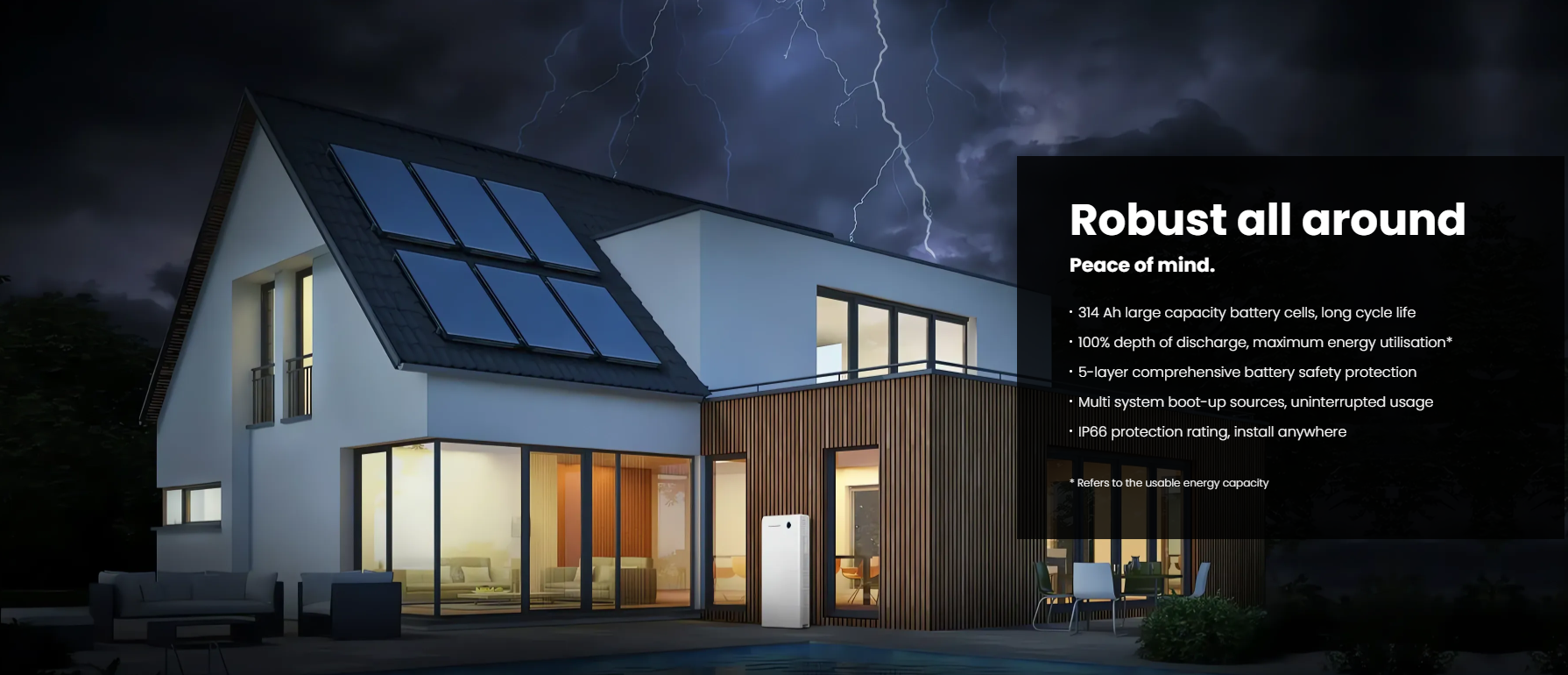
Both the GoodWe ESA and Sigenergy SigenStor include hybrid inverters, but the available inverter sizes differ depending on whether the home has single-phase or three-phase power.
Single-Phase Inverter Options
For single-phase homes, the available inverter sizes typically look like this:
| System | Available Single-Phase Inverter Sizes |
| GoodWe ESA | Up to 10 kW inverter capacity |
| Sigenergy SigenStor | Configurations available up to 12 kW depending on system setup |
In practical terms, both systems can support most standard household loads. However, homes with larger electrical demand — such as ducted air conditioning or multiple high-power appliances — may benefit from higher inverter capacity.
Three-Phase Inverter Options
Three-phase homes often have larger electrical loads, which means inverter capacity becomes even more important.
| System | Available Three-Phase Inverter Sizes |
| GoodWe ESA | Three-phase hybrid inverter options up to 30 kW |
| Sigenergy SigenStor | Three-phase inverter options typically available up to 30 kW |
This higher output can make it easier to design battery systems for homes with:
- large air conditioning systems
- workshops or high-power equipment
- multiple EV chargers
- fully electrified homes
Why Inverter Size Matters
Battery capacity (kWh) tells you how much energy can be stored, but inverter size (kW) determines how quickly that energy can be delivered to your home.
For example:
- A large battery with a small inverter may struggle to run multiple appliances at once.
- A larger inverter allows the system to support higher peak demand, particularly during blackouts.
Because of this, inverter sizing is often one of the most important factors when designing a battery system.
An experienced installer will typically size the inverter based on your household’s peak electricity demand, not just the battery capacity. For a full breakdown on the importance of inverter size click here.
Power and Capacity Comparison
| Feature | GoodWe ESA | Sigenergy SigenStor |
| System Type | All-in-one battery + inverter | Modular battery ecosystem |
| Battery Capacity | Modular battery expansion | Modular battery expansion |
| Single-Phase Inverter Output | Up to 10 kW | Up to 12 kW |
| Three-Phase Inverter Output | Up to 30 kW | Up to 30 kW |
| Maximum System Throughput | Moderate household loads | Higher throughput for larger homes |
| Best Fit Homes | Standard homes with typical energy usage | Larger homes with higher electrical demand |
Three-Phase and Two-Phase Compatibility
Battery compatibility becomes more important in homes with three-phase electrical supply.
The GoodWe ESA now includes a three-phase system option, which has made it an appealing choice for homeowners looking for a more affordable three-phase battery solution.
The Sigenergy SigenStor can also be installed in three-phase homes and offers additional flexibility in system design.
One unique capability is that SigenStor can support two-phase configurations, which can be helpful for the rare Australian properties that operate on two-phase electrical supply.
While two-phase homes are uncommon, systems that support multiple phase configurations can make installation easier in these situations.
Expandability and Smart Energy Features
Both battery systems allow modular battery expansion, meaning homeowners can increase storage capacity later if their energy usage grows.
However, the two systems differ when it comes to energy ecosystem features.
The Sigenergy SigenStor platform includes smart energy capabilities such as:
- EV charger integration
- Smart Ports for controlling appliances like hot water systems
- advanced energy automation
These features allow the system to automatically manage when certain appliances run to maximise solar usage.
The GoodWe ESA, by comparison, focuses more on providing a simplified integrated battery system without as much emphasis on appliance-level automation.
For many households whose main goal is simply storing excess solar energy, this simpler approach can still work well.
Monitoring Apps and Energy Management
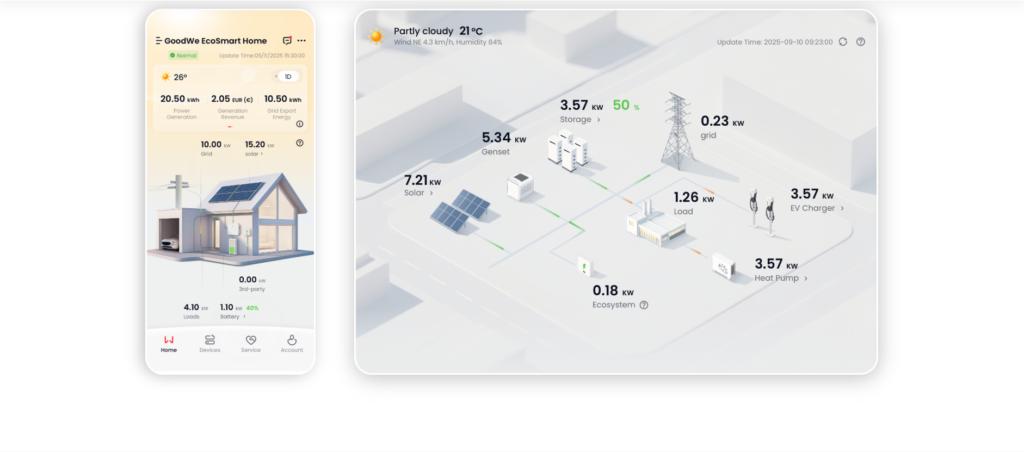
Both systems provide mobile apps that allow homeowners to track energy usage.
The GoodWe ESA uses the SEMS monitoring platform, which shows:
- solar generation
- battery charge levels
- grid import and export
- historical energy usage
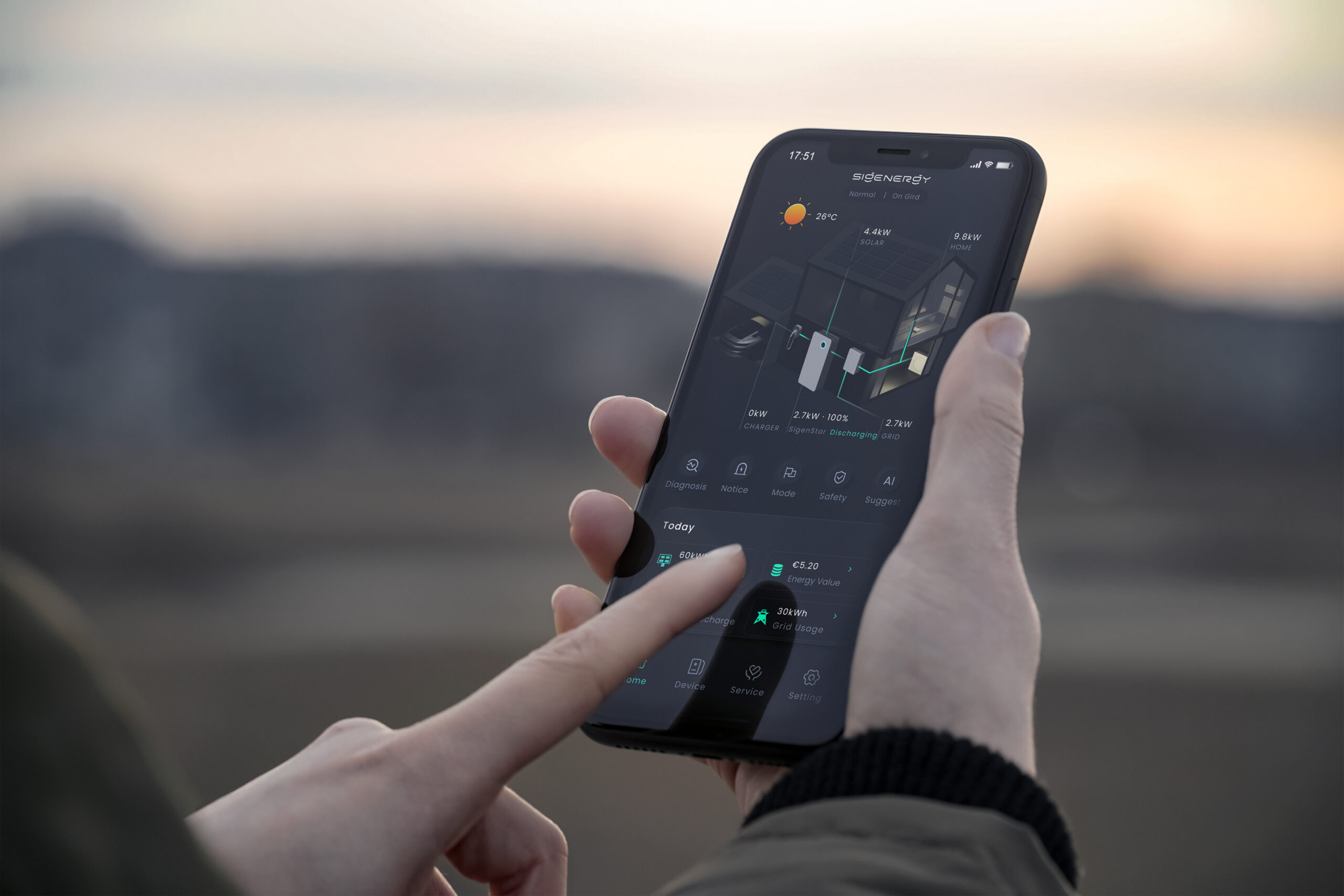
The Sigenergy app functions more as an energy management platform, allowing homeowners to manage:
- EV charging
- smart appliance control
- energy flow priorities between solar, battery and grid
- solar generation
- battery charge levels
- grid import and export
- historical energy usage
This difference reflects the broader design philosophy of each system.
Safety Features: GoodWe ESA vs Sigenergy SigenStor
| Safety Feature | GoodWe ESA | Sigenergy SigenStor |
| Battery Chemistry | Lithium Iron Phosphate (LFP) | Lithium Iron Phosphate (LFP) |
| Fire Suppression System | Integrated single fire extinguisher unit within the battery system | Fire-retardant gel suppression in every battery module |
| Pressure Release / Venting | Pressure management system built into battery design | Pressure release valve designed to vent gas safely if required |
| Thermal Management | Active thermal management system | Advanced thermal management across battery modules |
| Battery Management System (BMS) | Internal BMS monitors temperature, voltage and current | Module-level BMS with system-level energy management |
| Cell-Level Monitoring | Yes | Yes |
| Overcharge Protection | Yes | Yes |
| Over-discharge Protection | Yes | Yes |
| Short Circuit Protection | Yes | Yes |
| Overcurrent Protection | Yes | Yes |
| Thermal Runaway Protection | Built-in thermal protection architecture | Multi-layer protection including suppression gel |
| Isolation Protection | Electrical isolation built into inverter and battery design | Electrical isolation monitoring included |
| Ingress Protection Rating | Weather-resistant enclosure | Weather-resistant enclosure |
| Fault Detection & Alerts | Alerts through GoodWe monitoring system | Alerts through Sigenergy energy management app |
| Emergency Shutdown Capability | Yes | Yes |
Key Differences Worth Noting
There are a few areas where the systems take different approaches to safety design.
Fire suppression approach
- GoodWe ESA uses a single integrated fire extinguisher unit within the system.
- SigenStor uses fire-retardant gel suppression within each battery module, which is designed to contain thermal events at the module level.
Pressure management
- SigenStor includes a dedicated pressure release valve.
- GoodWe manages pressure through its internal battery architecture.
Distributed vs centralised safety
- GoodWe ESA: more centralised protection in the integrated unit.
- SigenStor: distributed safety systems across individual modules.
Both approaches are designed to comply with Australian electrical and battery safety standards, but they reflect different design philosophies.
Warranty Comparison
| Feature | GoodWe ESA | Sigenergy SigenStor |
| Inverter Warranty | 10 years | 10 years |
| Battery Warranty | 10 years | 10 years |
| Capacity Guarantee | 70% after 10 years | 70% after 10 years |
| Cycle / Throughput Limit | The Minimum Throughput DC Energy per kWh Usable Battery Capacity is 3 MWh | Throughput limit based on battery size |
| Extended Warranty Option | Not widely promoted | Optional 5-year extension available |
More details on the SigenStor warranty can be found here.
Cost and Value: GoodWe ESA vs SigenStor
While exact installation pricing varies depending on the installer, battery size, and system design, the GoodWe ESA and Sigenergy SigenStor generally sit in different price categories.
The GoodWe ESA is typically positioned as a mid-tier solar battery system. Because it integrates the inverter, battery and gateway into a single unit, it can sometimes reduce installation complexity and equipment costs compared with more modular energy platforms.
For homeowners mainly interested in storing excess solar energy and adding blackout protection, the ESA can provide a relatively straightforward entry into battery storage.
The Sigenergy SigenStor, on the other hand, is usually considered a premium-tier system.
Part of the reason for this is that the system is designed to function as a broader home energy ecosystem rather than just a battery. When homeowners begin adding additional features such as EV chargers or smart appliance controls, the system becomes more comparable to a whole-home energy management platform.
That doesn’t necessarily mean the SigenStor is always the better investment. For some households, the additional features may not be necessary.
The better value often depends on how you plan to use the system over time.
For example:
- If your main goal is solar self-consumption and backup power, a simpler system like the ESA may be sufficient.
- If you’re planning a fully electrified home with EV charging, smart appliances, and grid participation, a more expandable platform like the SigenStor may provide additional flexibility.
As with most solar and battery systems, the quality of the system design and installation can ultimately have a bigger impact on value than the brand of battery itself.
Which Battery Is Better For Different Homes?
| Situation | Better Fit | Why |
| Simple solar battery for reducing evening electricity bills | GoodWe ESA | Integrated all-in-one system designed primarily for solar storage |
| Homeowners wanting a mid-tier battery system | GoodWe ESA | Typically positioned in a mid-tier price category |
| Three-phase homes looking for a more affordable battery | GoodWe ESA | New three-phase ESA option makes it accessible for larger homes |
| Homes planning EV charging integration | Sigenergy SigenStor | Designed to integrate directly with Sigenergy EV chargers |
| Smart home energy automation (hot water, floor heating etc.) | Sigenergy SigenStor | Smart Ports allow appliance-level energy control |
| Homes with large electrical loads (ducted AC, EVs, workshops) | Sigenergy SigenStor | Higher inverter throughput options available |
| Participation in Virtual Power Plants (VPPs) | Sigenergy SigenStor | Currently supports a broader range of VPP integrations |
| Rare two-phase electrical supply homes | Sigenergy SigenStor | Can support two-phase configurations |
| Homeowners wanting a modular energy ecosystem | Sigenergy SigenStor | Designed as a scalable smart energy platform |
GoodWe ESA vs Sigenergy SigenStor: Which One Should You Choose?
Both batteries can work well depending on your situation.
The GoodWe ESA may suit you if:
- you want a mid-tier battery system
- you prefer an all-in-one design
- you want a simpler solar storage solution
- you have a three-phase home looking for a more affordable battery option
The Sigenergy SigenStor may suit you if:
- you want a premium modular energy ecosystem
- you plan to integrate EV charging with solar
- you want smart appliance automation
- your home has higher electrical loads
- your home has rare two-phase electrical supply
In many cases, the final performance of a battery system depends less on the brand and more on how the system is designed and installed.
Switchboard configuration, inverter sizing and backup circuit design can all influence how useful the battery becomes in real-world operation.
Still unsure which battery is right for your home?
The best choice often depends on things like your solar system size, household energy use, switchboard setup and future plans like EV charging.
If you’d like help comparing battery options for your home, you can speak with one of our energy consultants for a no-pressure assessment of your system and energy usage.
Get expert advice on solar batteries here:
https://lenergy.com.au/contact/

FAQ: GoodWe ESA vs Sigenergy SigenStor
Is Sigenergy SigenStor better than GoodWe ESA?
Not necessarily. The SigenStor offers more advanced energy ecosystem features, while the GoodWe ESA focuses on delivering a simpler integrated battery system.
Can both batteries work with three-phase homes?
Yes. GoodWe ESA now offers a three-phase option, while SigenStor can also be installed in three-phase homes and support some two-phase configurations.
Which battery is better for blackout protection?
Both systems provide backup power, but blackout performance depends more on inverter size and system design than the battery brand.
Can these batteries charge an electric vehicle?
Yes. SigenStor integrates directly with Sigenergy EV chargers, while GoodWe ESA systems typically work alongside external EV chargers.
How long do these batteries last?
Both systems include 10-year performance warranties that guarantee the battery will retain a minimum level of capacity after a specified amount of use.