Planning a Solar Battery? Why Inverter Size Matters More Than You Think
If you’re planning a solar battery, you’re probably focused on battery size, brand, and rebates. That’s where most of the attention goes — and understandably so. However, there’s another decision underneath all of that which has a major impact on how your system actually performs once it’s installed: how power flows through your home when you need it. This is where inverter size — the brains of your system — becomes critical.
At Lenergy, we take the time to understand exactly how you use power in your home before sizing your inverter — because we know how critical that decision is.
The inverter is the control centre of your system. It converts high-voltage DC electricity from your solar panels into usable 230V AC power for your home. In battery systems, it also manages the charging and discharging of stored energy. It optimises solar output through Maximum Power Point Tracking, manages grid exports, responds to network signals, provides monitoring through an app, communicates with smart devices like EV chargers, and shuts down safely during outages.
Underneath all that intelligence, it performs one fundamental job: converting DC energy into usable AC power — whether that energy originates from your solar panels or your battery. Its size, measured in kilowatts (kW), determines the maximum rate at which that conversion can occur. In practical terms, the inverter’s kW rating sets the upper limit on how much power can flow from your solar panels and battery into your home at any given moment.
To understand why that matters, it’s important to separate two measurements that are often confused: kW and kWh.
- Kilowatt-hours (kWh) measure total stored or consumed energy.
- Kilowatts (kW) measure instantaneous power — the rate at which energy is delivered.
A 5 kW inverter is rated to deliver up to 5 kW of AC power under standard operating conditions. If it operates at full output for one hour, that equates to 5 kWh of energy delivered over that hour.
That instantaneous limit determines:
- How quickly your battery can charge
- How much battery power your home can draw at once
- Whether your system hits a ceiling during high-demand moments
This is the moment many homeowners realise why their neighbour’s battery “never seems full” — even though the sun is out all day. When inverter sizing is wrong, the system doesn’t fail — it just never quite performs the way you expected. This is where system architecture begins to matter.
If I Already Have Solar, Does My Inverter Limit My Battery Options?
If you already have solar and you’re adding a battery, the key question isn’t just “can a battery be added?”
It’s this:
How much power can my home access from solar and battery at any given time?
Most existing solar homes add batteries as AC-coupled systems.
That means:
- Your solar inverter continues converting panel output
- The battery connects through its own inverter
- Power capability is distributed
In this setup, the battery inverter’s kW rating determines how fast the battery can charge and discharge.
If the battery inverter is rated at 5 kW, it can deliver up to 5 kW of power to the home. Larger batteries will still store more energy, but they can only move energy at the inverter’s rated speed.
A large battery paired with a modest battery inverter may take many hours to fully charge — and may struggle to reach full charge during winter without sufficient solar production hours.
Nothing is faulty. The system is simply operating within its power limits.
What Happens When Solar and a Battery Are Installed Together?
When solar and a battery are installed at the same time, many systems use a hybrid inverter (DC-coupled system).
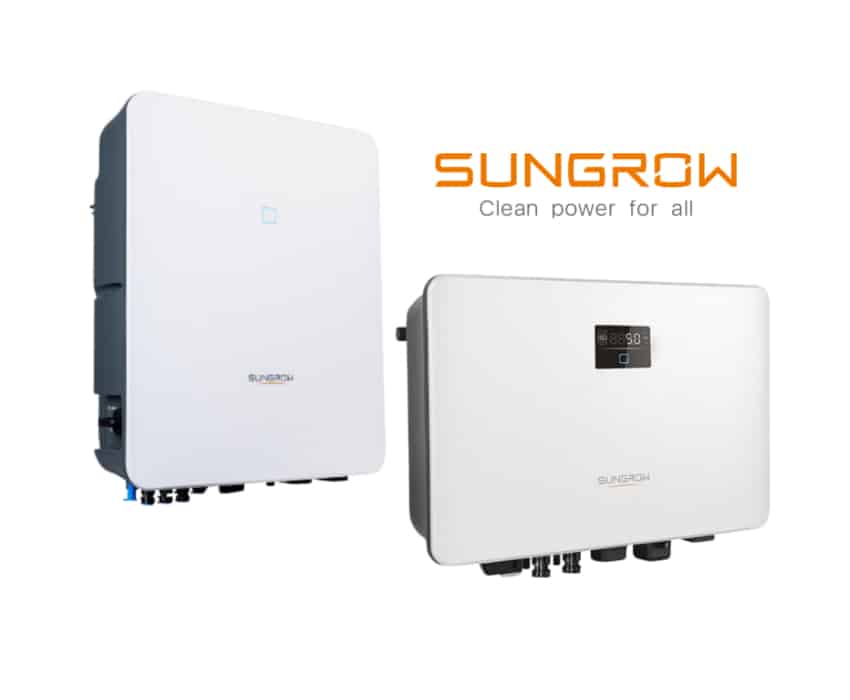
In these systems, solar and battery energy are both managed and converted through the hybrid inverter before supplying AC power to the home.
The inverter’s AC output rating ultimately determines how much power can be delivered to the home at once.
For example:
- 12 kW solar array
- 10 kW hybrid inverter
- Battery capable of 10 kW discharge
If the home demands 16 kW, the inverter can supply up to 10 kW. The balance must be supplied by the grid. This does not indicate inefficiency. It reflects the inverter’s rated AC output capacity.
Hybrid systems can perform extremely well — but inverter size must account for expected simultaneous loads. In practice, this is where most underperformance originates — not from poor hardware, but from conservative inverter size during the original design.
What’s the Difference Between DC-Coupled and AC-Coupled Battery Systems?
Understanding this difference is critical when planning inverter size, to gain an in depth understanding of the difference have a read of another one of our articles Adding a Battery to Your Solar: AC vs DC Coupling. To put it simply

DC-Coupled (Hybrid) Systems
- One inverter manages solar conversion and battery integration
- Total AC power delivery is capped by that inverter’s rating
- High simultaneous loads can reach that ceiling
AC-Coupled Systems (most common for battery retrofits)
- Solar and battery have separate inverter pathways
- Power from both sources can contribute simultaneously
- Inverter limits are distributed rather than centralised
(System-wide constraints such as grid connection limits, switchboard capacity and phase limits still apply.)
The right choice depends less on which architecture is “better” and more on whether you have an existing solar system.
Can a Large Battery Underperform If the Inverter Size Is Too Small?
Yes — and this is where expectations often fall apart.
A battery can only charge or discharge as fast as both the inverter and the battery’s own internal limits allow.
A 40 kWh battery paired with a 5 kW inverter:
- Can only deliver up to 5 kW at any moment
- Will take many hours to charge at full rate
- May struggle to reach full charge during shorter winter solar days
The battery isn’t the problem. The inverter simply limits how quickly energy can move. This is why two homes with identical batteries on paper can see very different real-world results.
How Do All-in-One Systems Like Sigenergy and Alpha ESS Affect Inverter Size?
All-in-one systems combine:
- Battery
- Inverter
- Control system
into a single integrated unit.
This simplifies installation — but in most cases, inverter power is largely defined upfront. As federal battery rebates are tied to battery capacity (kWh), there can be commercial pressure to prioritise storage size.
If inverter power is not considered alongside capacity, a system may technically qualify and operate correctly — but may not allow full access to the installed storage under peak conditions. Which is a design consideration, not a hardware fault.
With systems like Sigenergy SigenStor and Alpha ESS, careful inverter selection matters — particularly for homes with EV charging, high simultaneous loads, or future electrification plans.
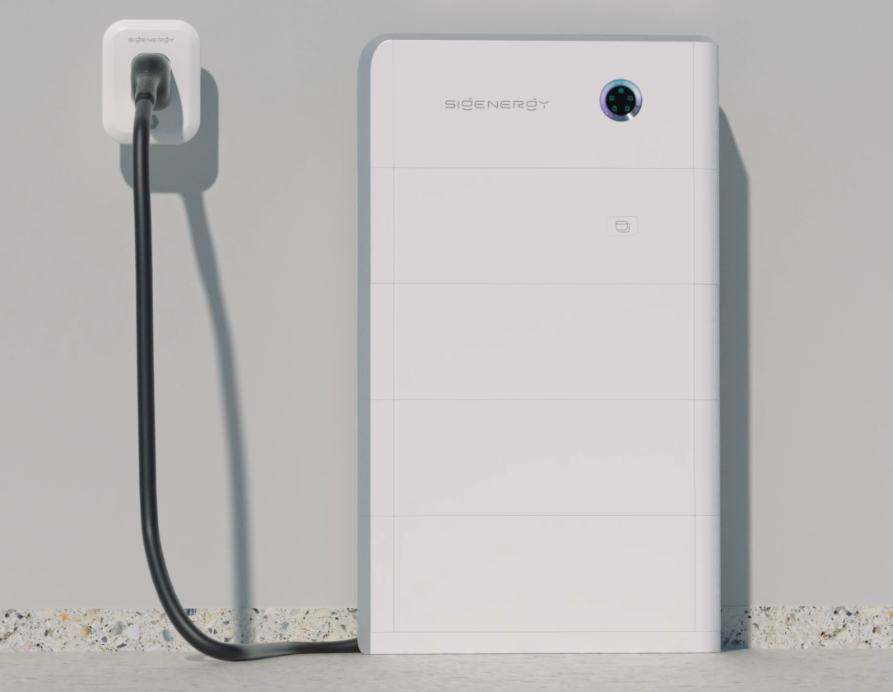
Click here for more information on how these two batteries compare.
What Are the Most Common Inverter Sizing Mistakes?
- Focusing on battery kWh and ignoring inverter kW
- Assuming “battery-ready” means optimised
- Underestimating peak household loads
- Prioritising rebate-driven battery size without matching inverter power
- Locking in inverter capacity without planning 5–10 years ahead
The result isn’t system failure. It’s reduced access to the energy you’ve paid for.
How Do You Choose the Right Inverter Size?
Start with power demand, not daily energy use.
Ask:
- How much power does my home use at once?
- Where does the system hit a power ceiling?
- How fast can this battery realistically charge?
- If we add an EV later, what becomes the limiting factor?
If an installer can clearly explain where the power limits sit in your system, you’re likely dealing with someone who understands battery design properly.
Not Sure If Your Inverter Is Sized Correctly?
Most battery disappointments aren’t caused by bad equipment. They’re caused by mismatched power design. Before you commit to a battery system, make sure you understand where the power limits sit — and whether they match how your home actually uses energy. A well-sized inverter doesn’t make headlines. But a well-designed system does.
The difference usually comes down to the installer — not the hardware. A quality installer won’t just ask how big a battery you want. They’ll ask how your home actually uses power, where the limits sit, and how to design around them properly.
If you’d like clarity around your own setup — whether you’re adding a battery to existing solar or starting from scratch — reach out to us at Lenergy. You can speak with one of our specialists who will design a system tailored to how your home actually uses energy. Battery performance isn’t determined by brand alone. It’s determined by the thinking behind the system.