Tag: Solar Batteries

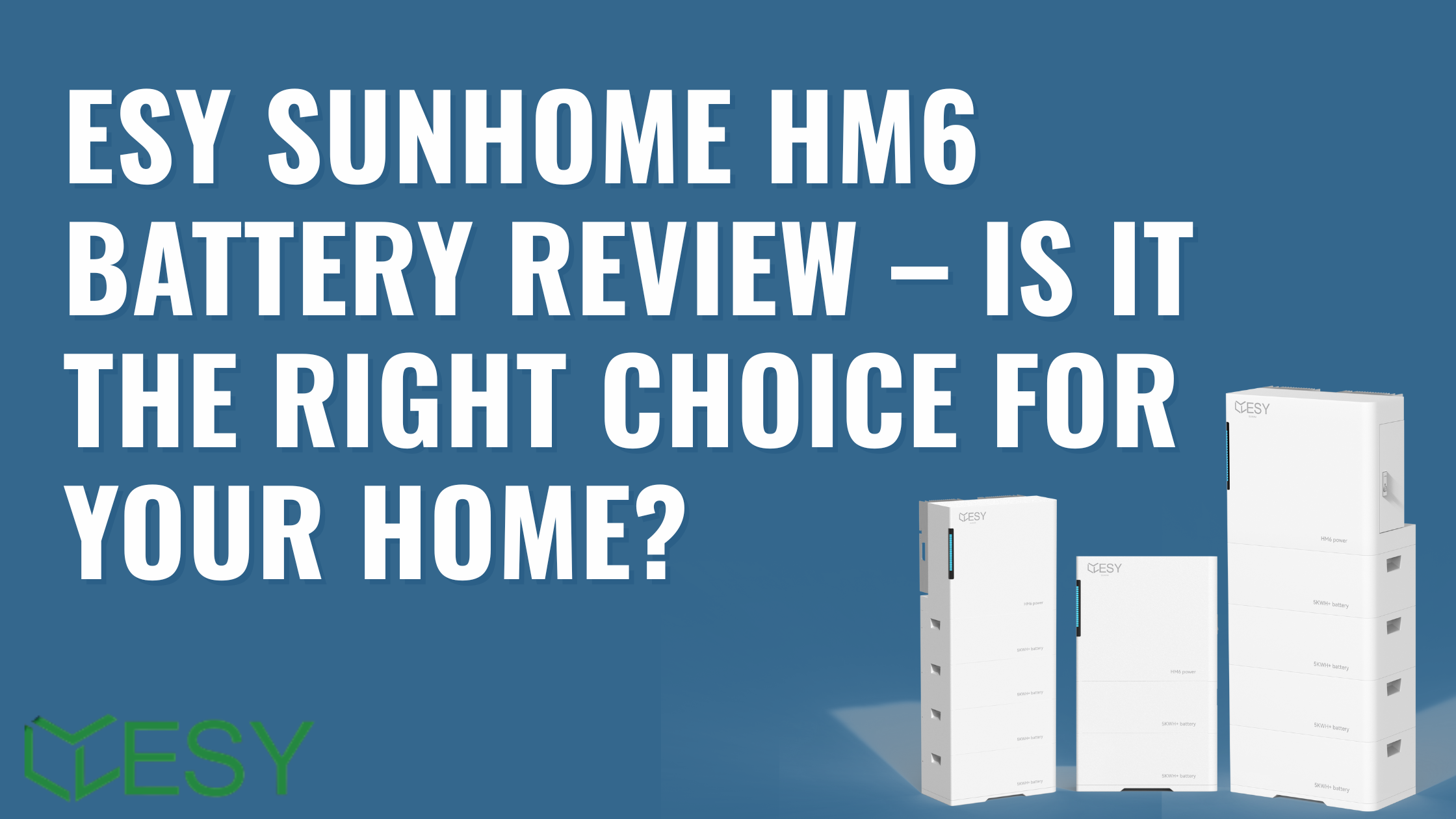
ESY Sunhome HM6 Battery Review – Is It the Right Choice for Your Home?

If you’re thinking about adding a battery to your solar setup, you’ve probably noticed there are a lot of options out there. Each one claims to be the smartest, most powerful, most reliable system on the market. It can be overwhelming trying to figure out which battery actually lives up to those claims—and which ones just sound good on paper.

We’ve recently had a lot of homeowners ask us about a newer battery called the ESY Sunhome HM6. It’s an all-in-one unit that combines a hybrid inverter with modular lithium battery storage. On the surface, it looks impressive. However: does it do what it says it does—and is it a good fit for your home?

In this review, we’ll break it all down. No hype. Just clear answers to the questions you’re already asking—about performance, reliability, blackout protection, pricing, and how it stacks up against other batteries in the same category.

What Is the ESY Sunhome HM6 Battery?

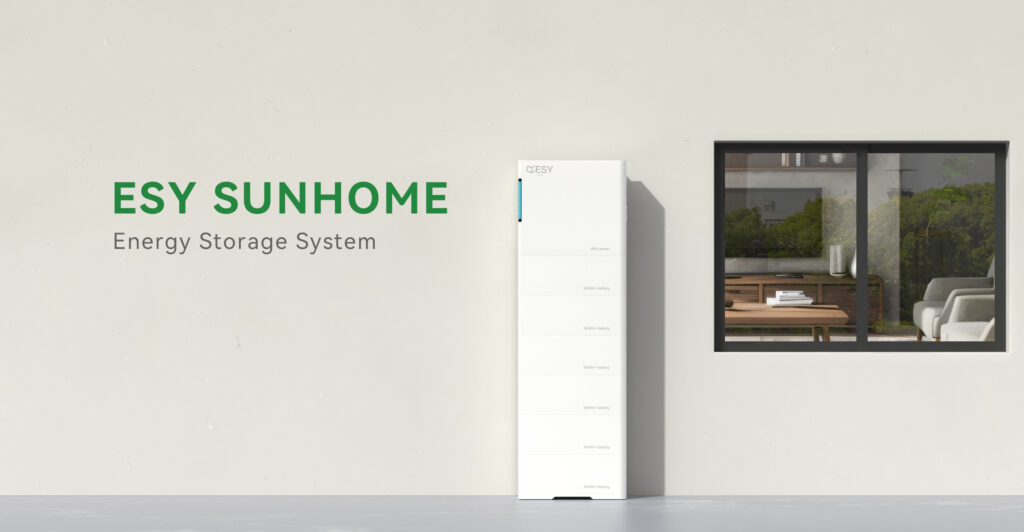
The ESY Sunhome HM6 is a fully integrated solar battery system that combines two major components into one: a 6 kW hybrid inverter and modular lithium iron phosphate (LiFePO₄) battery storage. This means it can manage your solar input, store excess energy, and provide backup power—all in a single, compact unit.

One of the HM6’s biggest advantages is its modular design. Each battery module stores 5.12 kWh, and you can stack up to six modules, giving you a total capacity of 30.72 kWh. That kind of flexibility allows homeowners to start with a smaller setup and scale up as energy needs grow.

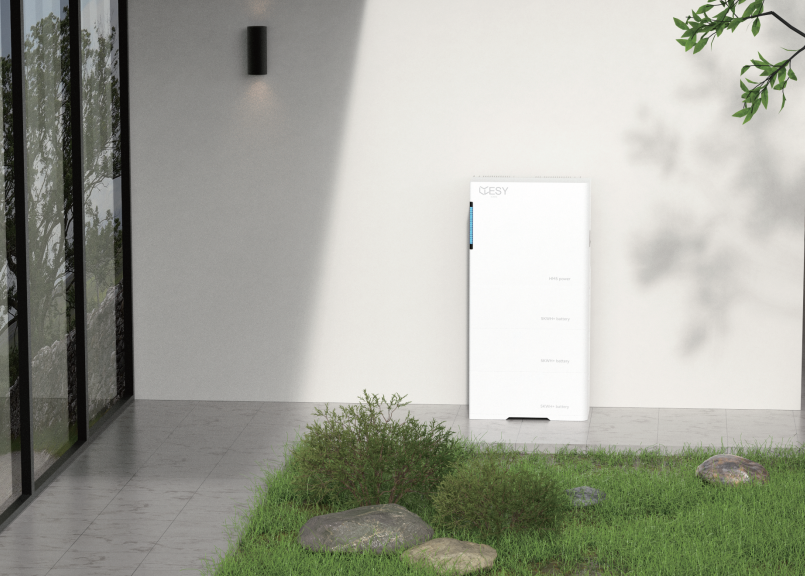
It’s also built for Australian conditions. The HM6 is IP66 rated—fully waterproof and dustproof—so it can be installed inside or outdoors without issue. It operates quietly (under 25 dB) and handles temperatures from –25 °C up to +60 °C, making it suitable for harsh environments. 

The battery uses LiFePO₄ chemistry, which is known for being stable, long-lasting, and safe. It also includes intelligent features like real-time monitoring through a mobile app, as well as the ability to charge from solar even during a blackout, giving it a major edge in energy resilience.

In short, the ESY HM6 is:

  • A smart, all-in-one solar battery system
  • Scalable from 5.12 to 30.72 kWh
  • Built tough for real-world use
  • Quiet, low-maintenance, and easy to monitor
  • Designed to keep your home running—even during outages

Who Is This Battery Best Suited For?

The ESY Sunhome HM6 isn’t necessarily the right battery for every home—but for the right setup, it can be a solid option.

Ideal for Homes with Solar (or Planning to Add It)

If you already have solar or are thinking of installing it, the HM6 gives you a clear path to maximise your self-consumption. Instead of sending unused solar back to the grid for a low feed-in tariff, you can store that energy and use it later—especially in the evening when energy rates tend to spike.

Great for Households That Want Backup Power

If you live in an area prone to blackouts or just want peace of mind knowing your essentials will keep running when the grid goes down, the HM6 is worth considering. It can back up essential household circuits (like fridges, lights, Wi-Fi, and garage doors), additionally, it can recharge from your solar panels even during a blackout. Not all batteries can do that.

Perfect for Growing Energy Needs

The modular design makes it ideal for homeowners who want the option to expand. Maybe you’re starting with a smaller system now but plan to add an EV, pool pump, or extra living space later. With the HM6, you can scale from 5.12 kWh to over 30 kWh without needing to replace the whole setup. However, it is important to note; currently, you can only add the Federal Battery rebate once, so it is far more cost effective to do it once and do it right.

Who It Might Not Be Right For

  • Apartments or units with no dedicated solar access or installation space
  • Households that need whole home backup. This system only provides 6kW in the event of a blackout. If whole home backup is crucial then Sigenergy would be more suited.
  • Households that require a 3-phase backup solution (the HM6 is single-phase only—though it can still work in 3-phase homes for solar self-use) They are currently working on getting their larger 10kW systems approved for later in 2025.

Smart Features & Monitoring

These days, a good battery should do more than just store energy. It should help you understand how your home uses power—and give you the tools to stay in control. The ESY Sunhome HM6 delivers on that front with a full suite of smart features designed to make your energy setup feel less like guesswork and more like a well-oiled machine.

Real-Time Monitoring from Your Phone

With the HM6, you can track everything through a mobile app or online portal. You’ll be able to see:

  • How much solar your panels are generating
  • How much power your home is using
  • What’s going into (or coming out of) the battery
  • And what’s going to or from the grid

It gives you a live view of your system in action, 24/7. And if something isn’t performing the way it should, you’ll spot it straight away.

Installation & Warranty

Installation is straightforward for any CEC-accredited installer, and Lenergy has already integrated it into our standard install process. Because the inverter is built in, there’s less wiring, fewer components, and less room for things to go wrong.

And in terms of peace of mind? You’re backed by a 10-year warranty on both the inverter and battery, with at least 70% capacity guaranteed at year 10.

Pros and Cons

Every battery has its strengths and trade-offs, and the ESY HM6 is no different. But if you’re after something that’s simple, flexible, and well-built, it brings a lot to the table. Here’s a straight-up look at what it does well — and where it might not be the best fit.

Pros

  • All-in-one system – Battery + hybrid inverter in one sleek unit = easier install and less clutter
  • Modular and expandable – Start with one module (5.12 kWh) and scale up to 30.72 kWh
  • Recharges from solar during blackouts – A big plus for energy security during extended outages
  • LiFePO₄ battery chemistry – Safe, stable, and long-lasting
  • App monitoring & smart modes – Control and track your system in real-time
  • IP66 rated – Waterproof and dustproof, suitable for indoor or outdoor installs
  • Quiet operation – Passive cooling means no noisy fans
  • 10-year warranty – Backed by solid performance guarantees

Cons

  • Single-phase only – Not ideal for homes needing 3-phase backup (though still compatible with 3-phase homes for general use)
  • Still relatively new in the Aussie market – Less brand recognition compared to Tesla or Sonnen
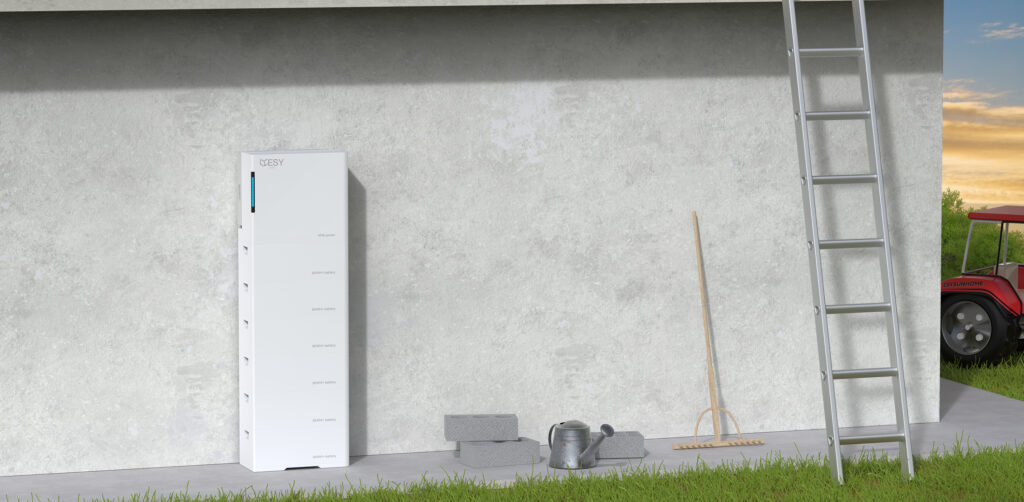
  • Stacked design adds height – A fully stacked 6-module system may need a bit more vertical clearance

Overall, the pros far outweigh the cons — especially if you’re looking for a reliable, scalable battery that doesn’t require multiple boxes and custom setups. But like any big energy investment, it’s important to match the system to your actual needs.

Final Verdict: Is It Worth It?

If you’re looking for a reliable, flexible, and well-priced battery to pair with your solar system, the ESY Sunhome HM6 is absolutely worth a look.

It offers a solid mix of features that matter in the real world — smart energy management, blackout protection, solar charging during outages, and the flexibility to scale over time. It’s built tough for Australian conditions, runs quietly, and doesn’t need a whole wall of hardware to get started.

No, it doesn’t have the brand name of a Tesla or the price tag of Sigenergy — but that’s exactly why it stands out. It strikes a great balance between quality, simplicity, and value. At Lenergy, we proudly supply and install the ESY HM6 as part of our residential battery offering. If you’ve got questions or want help deciding if it’s the right fit for your home, our team is always happy to chat.

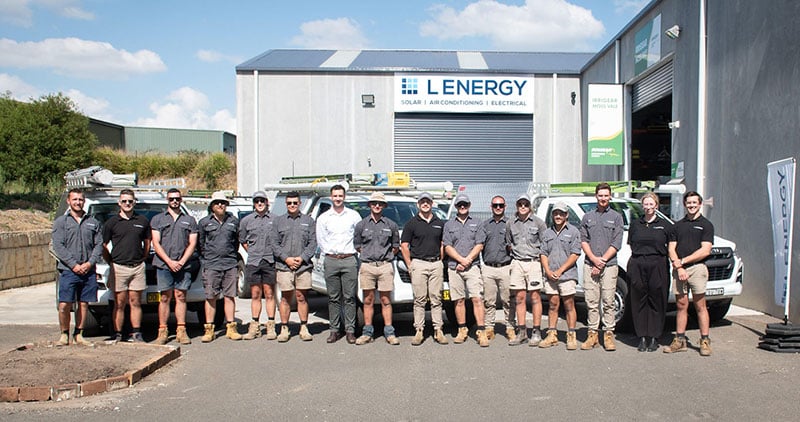
Lenergy team standing infront of the Lenergy Warehouse

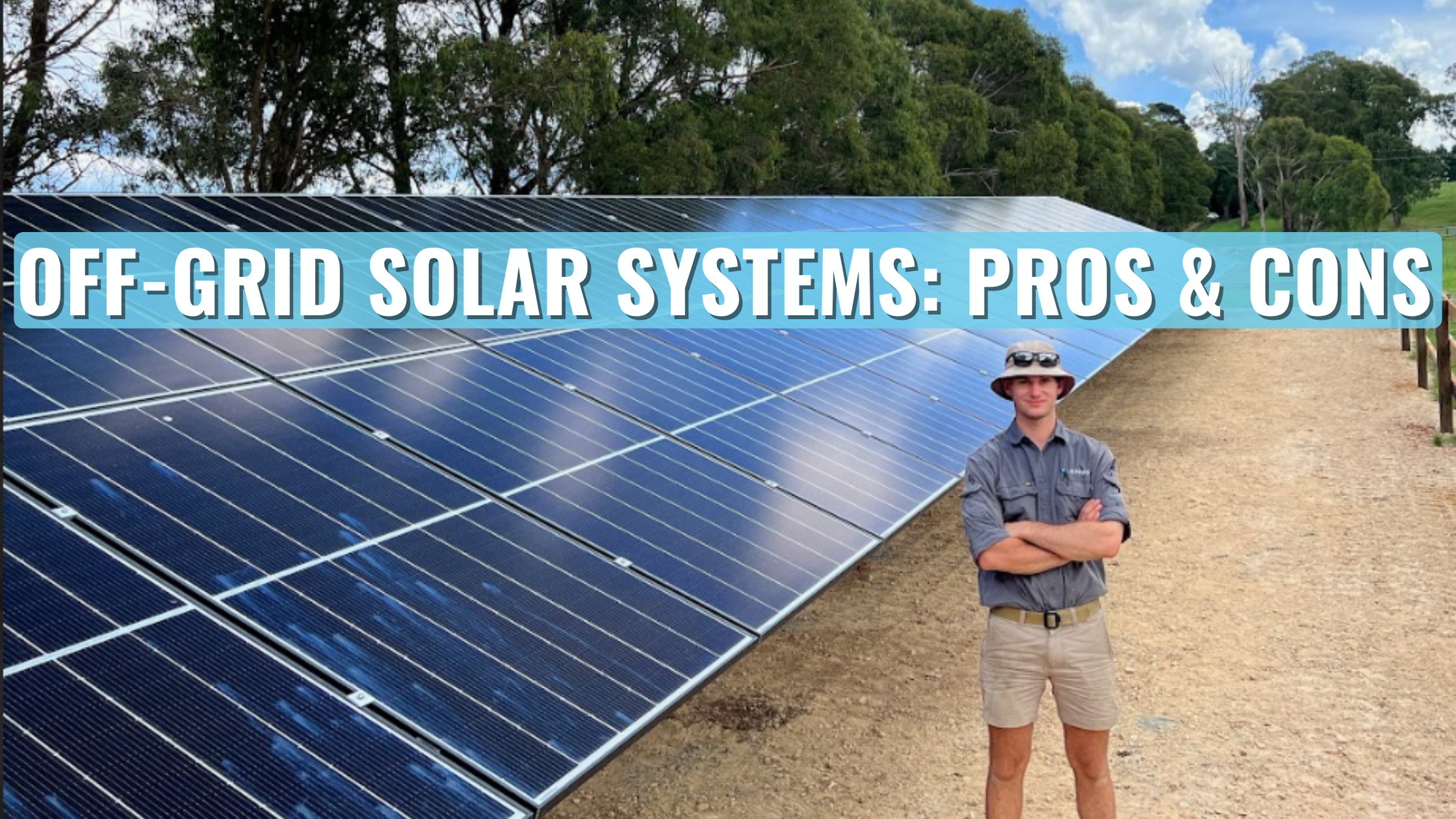
Off-Grid Solar Systems: Pros & Cons

Ever wondered what it’s like to live without relying on the grid?

Maybe your property’s too remote to connect easily, or maybe you’re just tired of rising electricity prices and want more control. Off-grid solar sounds appealing. No power bills, no outages, full independence. But is it really that simple?

At Lenergy, we’ve helped many homeowners explore off-grid living. Some go all-in. Others realise it’s not quite the right fit.

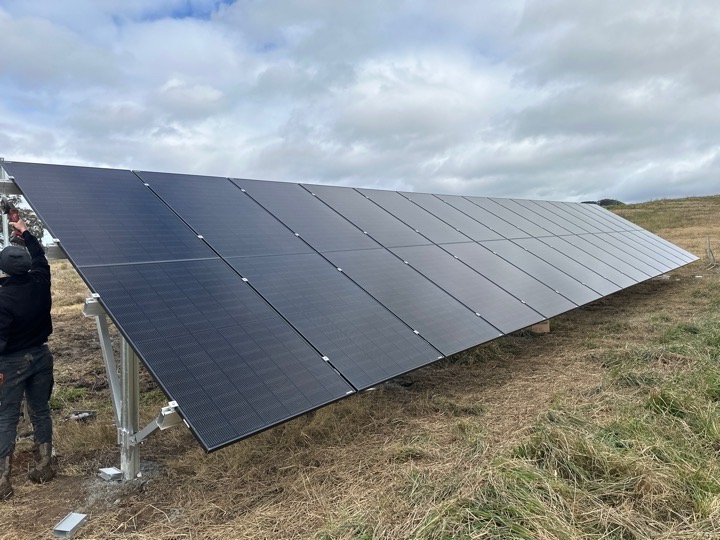
Off-grid system installed by Lenergy

In this blog, you’ll understand the key benefits of off-grid solar systems, the downsides, and how to know if off-grid solar is right for you.

What Is an Off-Grid Solar System?

An off-grid solar system is a solar setup that runs completely independent of the electricity grid. It generates, stores, and supplies all the power your home needs, without any backup from the main grid.

Here’s how it works in simple terms:

  • Solar panels collect energy from the sun.
  • That energy is sent to a solar inverter, which converts it into usable electricity.
  • Excess power is stored in solar batteries for use at night or during cloudy days.
  • A backup generator is often included as a safety net for extended periods of bad weather or high usage.

Unlike grid-connected systems, you can’t fall back on the electricity network. That means your system needs to be sized correctly for your home’s usage and your lifestyle, so you don’t run out of power when you need it most.

Off-grid systems are common in rural or remote areas where connecting to the grid would be difficult or costly. But they’re also becoming more popular with people who want energy independence, even if the grid is technically available.

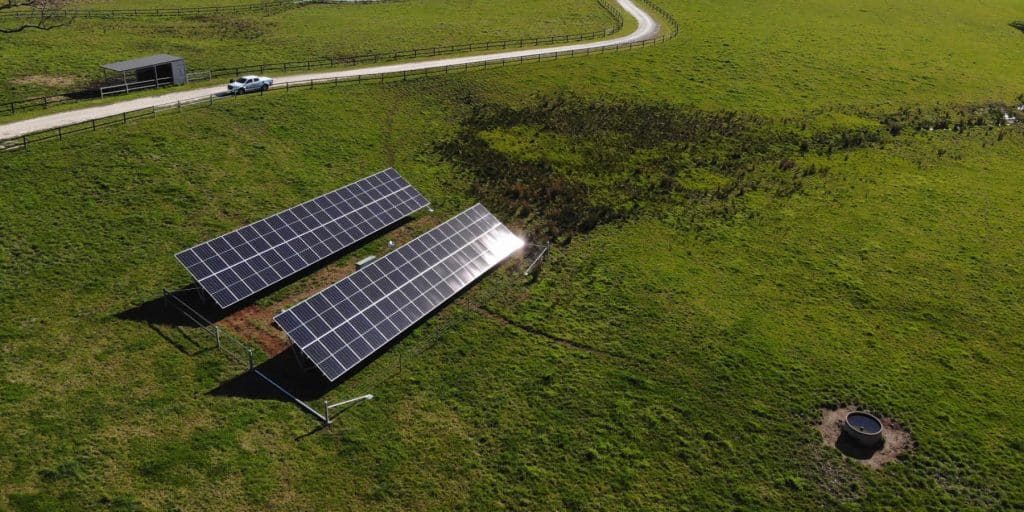
Off grid installation in the Southern Highlands, by Lenergy

Why Go Off-Grid? The Main Benefits

So why do people choose to cut the chord from the grid entirely? It usually comes down to four key reasons:

1. Total Energy Independence

Living off-grid means complete energy autonomy. You’re no longer dependent on power companies, vulnerable to network failures, or exposed to fluctuating electricity rates. By generating and storing your own power, you gain full control over your energy supply—eliminating ongoing connection fees, unexpected price hikes, and the inconvenience of blackouts during storms or maintenance disruptions. This level of independence not only enhances reliability but also offers peace of mind, especially in areas where grid infrastructure is aging or inconsistent.

2. Perfect for Remote Properties

For homeowners living in rural or regional areas, connecting to the electricity grid can be logistically difficult and prohibitively expensive—often costing tens of thousands of dollars just to extend power lines to a property that’s far from existing infrastructure. These costs don’t even include ongoing network service charges or rising electricity rates.

In contrast, off-grid solar systems offer a self-contained energy solution, enabling complete energy independence without reliance on the grid. When designed correctly, these systems can meet the needs of modern households just as reliably, with the added benefit of avoiding grid outages and infrastructure delays. For many remote properties, going off-grid isn’t just an environmentally conscious decision—it’s a financially and practically smarter alternative in the long term.

3. Lower Long-Term Energy Costs

Although the initial cost of installing an off-grid solar system can be significant, it eliminates ongoing electricity bills entirely. Over the years, this can lead to substantial savings—particularly as traditional energy prices continue to rise. Many homeowners find that the money they would have spent on grid power eventually equals or exceeds the cost of their off-grid system, making it a financially smart long-term investment.

4. Sustainable Living

Off-grid solar systems draw energy from the sun (a clean, renewable resource). Allowing homeowners to power their homes without relying on fossil fuels or contributing to greenhouse gas emissions. For those committed to environmental responsibility, this approach significantly reduces your carbon footprint while promoting energy independence. It’s an ideal solution for individuals seeking a more sustainable, self-sufficient lifestyle that aligns with eco-conscious values.

The Drawbacks You Need to Know

Going off-grid has its perks, however it’s not for everyone. Here are the main trade-offs to be aware of:

1. Higher Upfront Costs

Off-grid solar systems generally involve a higher initial cost compared to grid-connected setups. This is largely due to the additional infrastructure required—such as larger battery banks, advanced inverters, and often a backup generator—to ensure consistent energy supply around the clock. In essence, you’re creating a fully independent power system capable of meeting all your energy needs without any external support. While this level of self-sufficiency demands a greater upfront investment, many homeowners see it as a worthwhile trade-off for long-term energy freedom and protection against rising grid costs.

2. You’re 100% Responsible for Your Power

Living off-grid means full energy independence—but with that freedom comes complete responsibility. If your system is undersized, poorly designed, or if your household consumes more energy than expected, you risk depleting your battery reserves—especially during winter months or extended periods of cloud cover. Without the safety net of the grid, even a few miscalculations can result in inconvenient (or even dangerous) power shortages. That’s why investing in a professionally designed system, accurate load assessments, and proper energy management habits is essential. Many homeowners also choose to include a backup generator as a safeguard for these unpredictable conditions.

3. Battery Maintenance and Replacement

Batteries are a critical component of any off-grid solar system, responsible for storing the energy needed to power your home day and night. However, they come with a limited lifespan. Depending on the battery chemistry—whether lithium-ion, lead-acid, or newer technologies—you can expect a replacement from anywhere between 5 to 15 years. While modern lithium batteries often require little to no maintenance, some systems (especially lead-acid) may demand regular checks on fluid levels, charge cycles, and temperature conditions.

Over time, these replacement and upkeep costs can add up, making it important to factor them into your long-term energy budget. Choosing a high-quality battery with a strong warranty and planning for its eventual replacement ensures your off-grid lifestyle remains reliable and stress-free.

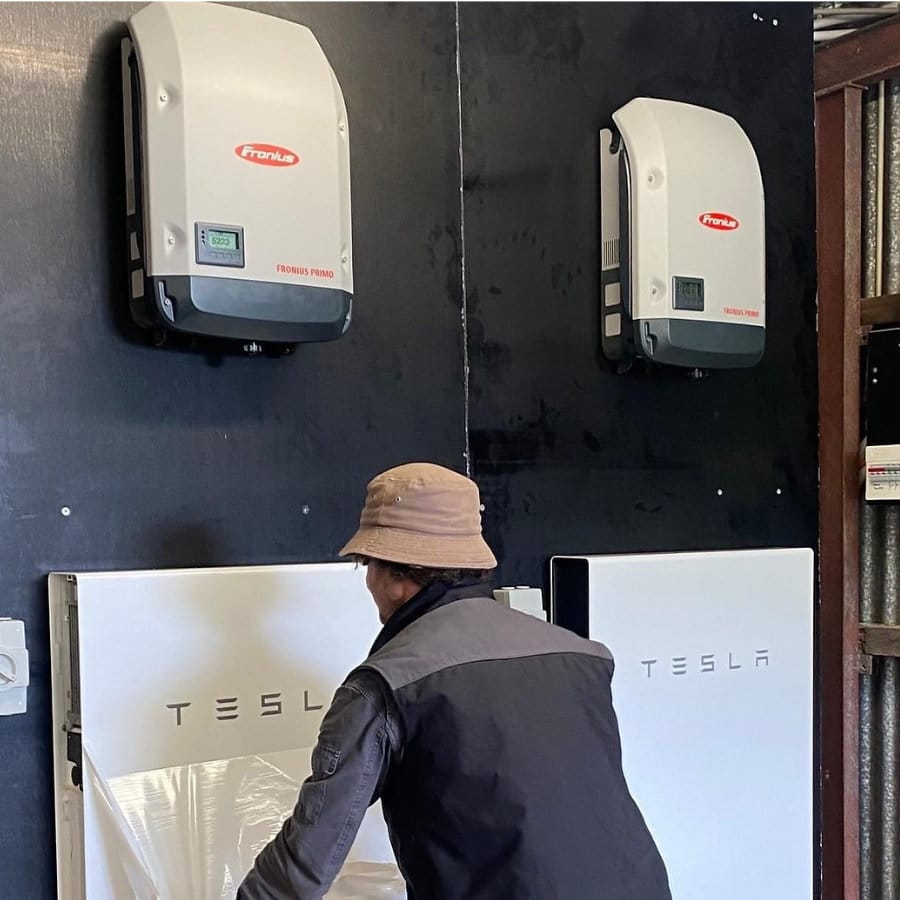
Lenergy staff member installing a Tesla Battery for a home located in the Southern Highlands

4. Not Ideal for High Energy Users

Off-grid solar systems are best suited to energy-conscious households with predictable and moderate electricity needs. If you have a large family, run a home business, or use multiple high-draw appliances—such as ducted air conditioning, pool pumps, electric ovens, or EV chargers—designing a system to meet those demands can be complex and costly. You’ll need a significantly larger solar array, increased battery storage, and potentially a backup generator to ensure consistent power supply year-round.

In many cases, high energy users may need to rethink their habits or upgrade appliances to more efficient models to make off-grid living feasible. That might mean switching to gas cooking, scheduling appliance use during peak sunlight hours, or staggering high-consumption devices to avoid overload. While not impossible, it does require a lifestyle shift and a deeper investment in system infrastructure to ensure comfort and reliability without access to the grid.

Is Off-Grid Right for You?

Off-grid solar isn’t a one-size-fits-all solution. Here’s a quick checklist to help you decide if it fits your lifestyle and goals:

It might be right for you if:

  • You live in a remote or rural area where grid connection is costly or unreliable.
  • You value energy independence and don’t want to rely on power companies.
  • You’re happy to adjust your energy use to suit what your system can provide.
  • You’re willing to invest upfront for long-term savings and security.
  • You’re committed to a low-impact, sustainable lifestyle.

It might not be right if:

  • You’re in a metro area with easy, stable grid access.
  • Your household uses lots of power, especially during evening hours.
  • You’re looking for the cheapest option right now rather than long-term value.

If you’re not ready to fully disconnect from the grid, a hybrid solar system offers a balanced alternative. By combining solar panels, battery storage, and a grid connection, hybrid systems provide flexibility—allowing you to store excess solar energy for use during peak times or outages, while still drawing from the grid when necessary. This setup can lead to lower electricity bills, increased energy reliability, and greater independence from utility price fluctuations.

Choosing the Right System for Peace of Mind

Going off-grid isn’t just a trendy move or a tech-savvy experiment—it’s a strategic decision rooted in your lifestyle, location, and long-term goals. For homeowners in remote areas or those seeking complete energy independence, a well-designed off-grid system can provide long-term reliability, energy savings, and peace of mind.

However, it’s equally valid if off-grid living isn’t the right fit for you. A hybrid solar system—combining solar, battery storage, and grid connection—may offer a more balanced solution, delivering energy savings and greater reliability without sacrificing flexibility.

What matters most is that you’re informed. Understanding the benefits, challenges, and realistic expectations of each option allows you to make the right decision with confidence.

Before making any commitments, it’s essential to speak with a reputable solar installation company—one that listens to your needs, provides transparent advice, and customizes a solution that works for you. At Lenergy, we’re here to help guide you through that process, whether you’re ready to go fully off-grid or exploring hybrid options tailored to your property and lifestyle.

The team at Lenergy receiving a local business award in the Southern Highlands for Business of the Year,

Book a free consultation today and get expert advice tailored to your property, energy needs, and budget.