Tag: Solar panel

Off-Grid Solar Systems: Pros & Cons

Ever wondered what it’s like to live without relying on the grid?

Maybe your property’s too remote to connect easily, or maybe you’re just tired of rising electricity prices and want more control. Off-grid solar sounds appealing. No power bills, no outages, full independence. But is it really that simple?

At Lenergy, we’ve helped many homeowners explore off-grid living. Some go all-in. Others realise it’s not quite the right fit.
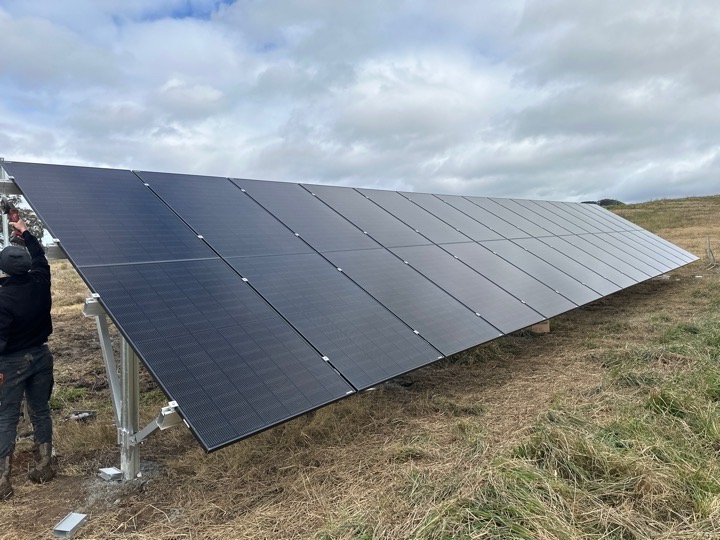
Off-grid system installed by Lenergy

In this blog, you’ll understand the key benefits of off-grid solar systems, the downsides, and how to know if off-grid solar is right for you.

What Is an Off-Grid Solar System?

An off-grid solar system is a solar setup that runs completely independent of the electricity grid. It generates, stores, and supplies all the power your home needs, without any backup from the main grid.

Here’s how it works in simple terms:

  • Solar panels collect energy from the sun.
  • That energy is sent to a solar inverter, which converts it into usable electricity.
  • Excess power is stored in solar batteries for use at night or during cloudy days.
  • A backup generator is often included as a safety net for extended periods of bad weather or high usage.

Unlike grid-connected systems, you can’t fall back on the electricity network. That means your system needs to be sized correctly for your home’s usage and your lifestyle, so you don’t run out of power when you need it most.

Off-grid systems are common in rural or remote areas where connecting to the grid would be difficult or costly. But they’re also becoming more popular with people who want energy independence, even if the grid is technically available.
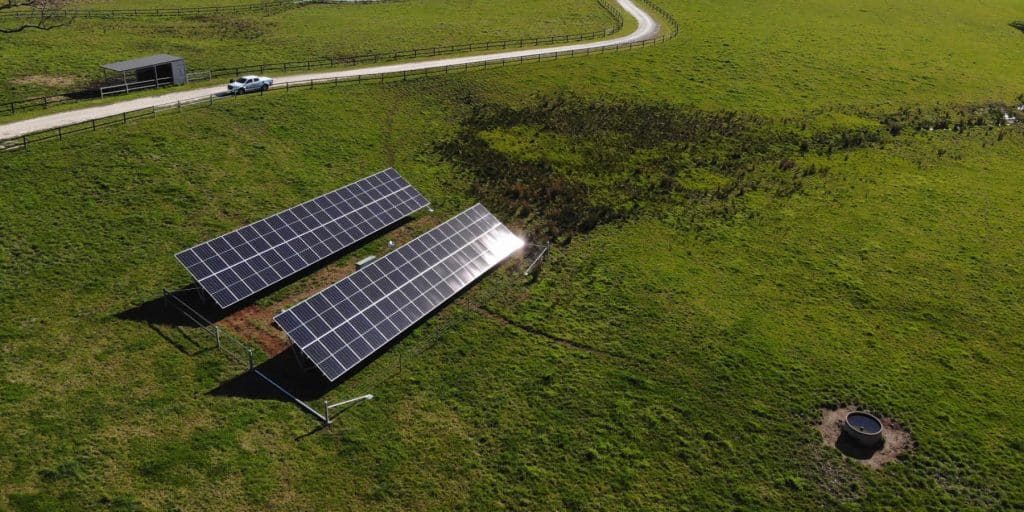
Off grid installation in the Southern Highlands, by Lenergy

Why Go Off-Grid? The Main Benefits

So why do people choose to cut the chord from the grid entirely? It usually comes down to four key reasons:

1. Total Energy Independence

Living off-grid means complete energy autonomy. You’re no longer dependent on power companies, vulnerable to network failures, or exposed to fluctuating electricity rates. By generating and storing your own power, you gain full control over your energy supply—eliminating ongoing connection fees, unexpected price hikes, and the inconvenience of blackouts during storms or maintenance disruptions. This level of independence not only enhances reliability but also offers peace of mind, especially in areas where grid infrastructure is aging or inconsistent.

2. Perfect for Remote Properties

For homeowners living in rural or regional areas, connecting to the electricity grid can be logistically difficult and prohibitively expensive—often costing tens of thousands of dollars just to extend power lines to a property that’s far from existing infrastructure. These costs don’t even include ongoing network service charges or rising electricity rates.

In contrast, off-grid solar systems offer a self-contained energy solution, enabling complete energy independence without reliance on the grid. When designed correctly, these systems can meet the needs of modern households just as reliably, with the added benefit of avoiding grid outages and infrastructure delays. For many remote properties, going off-grid isn’t just an environmentally conscious decision—it’s a financially and practically smarter alternative in the long term.

3. Lower Long-Term Energy Costs

Although the initial cost of installing an off-grid solar system can be significant, it eliminates ongoing electricity bills entirely. Over the years, this can lead to substantial savings—particularly as traditional energy prices continue to rise. Many homeowners find that the money they would have spent on grid power eventually equals or exceeds the cost of their off-grid system, making it a financially smart long-term investment.

4. Sustainable Living

Off-grid solar systems draw energy from the sun (a clean, renewable resource). Allowing homeowners to power their homes without relying on fossil fuels or contributing to greenhouse gas emissions. For those committed to environmental responsibility, this approach significantly reduces your carbon footprint while promoting energy independence. It’s an ideal solution for individuals seeking a more sustainable, self-sufficient lifestyle that aligns with eco-conscious values.

The Drawbacks You Need to Know

Going off-grid has its perks, however it’s not for everyone. Here are the main trade-offs to be aware of:

1. Higher Upfront Costs

Off-grid solar systems generally involve a higher initial cost compared to grid-connected setups. This is largely due to the additional infrastructure required—such as larger battery banks, advanced inverters, and often a backup generator—to ensure consistent energy supply around the clock. In essence, you’re creating a fully independent power system capable of meeting all your energy needs without any external support. While this level of self-sufficiency demands a greater upfront investment, many homeowners see it as a worthwhile trade-off for long-term energy freedom and protection against rising grid costs.

2. You’re 100% Responsible for Your Power

Living off-grid means full energy independence—but with that freedom comes complete responsibility. If your system is undersized, poorly designed, or if your household consumes more energy than expected, you risk depleting your battery reserves—especially during winter months or extended periods of cloud cover. Without the safety net of the grid, even a few miscalculations can result in inconvenient (or even dangerous) power shortages. That’s why investing in a professionally designed system, accurate load assessments, and proper energy management habits is essential. Many homeowners also choose to include a backup generator as a safeguard for these unpredictable conditions.

3. Battery Maintenance and Replacement

Batteries are a critical component of any off-grid solar system, responsible for storing the energy needed to power your home day and night. However, they come with a limited lifespan. Depending on the battery chemistry—whether lithium-ion, lead-acid, or newer technologies—you can expect a replacement from anywhere between 5 to 15 years. While modern lithium batteries often require little to no maintenance, some systems (especially lead-acid) may demand regular checks on fluid levels, charge cycles, and temperature conditions.

Over time, these replacement and upkeep costs can add up, making it important to factor them into your long-term energy budget. Choosing a high-quality battery with a strong warranty and planning for its eventual replacement ensures your off-grid lifestyle remains reliable and stress-free.
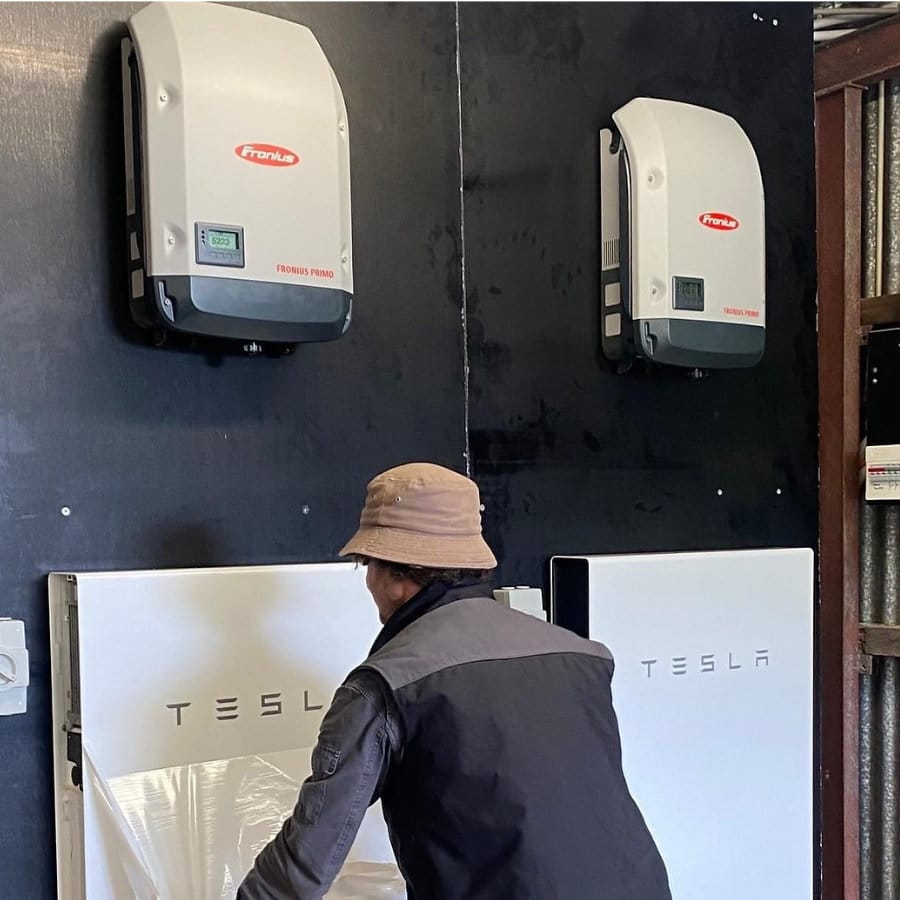
Lenergy staff member installing a Tesla Battery for a home located in the Southern Highlands

4. Not Ideal for High Energy Users

Off-grid solar systems are best suited to energy-conscious households with predictable and moderate electricity needs. If you have a large family, run a home business, or use multiple high-draw appliances—such as ducted air conditioning, pool pumps, electric ovens, or EV chargers—designing a system to meet those demands can be complex and costly. You’ll need a significantly larger solar array, increased battery storage, and potentially a backup generator to ensure consistent power supply year-round.

In many cases, high energy users may need to rethink their habits or upgrade appliances to more efficient models to make off-grid living feasible. That might mean switching to gas cooking, scheduling appliance use during peak sunlight hours, or staggering high-consumption devices to avoid overload. While not impossible, it does require a lifestyle shift and a deeper investment in system infrastructure to ensure comfort and reliability without access to the grid.

Is Off-Grid Right for You?

Off-grid solar isn’t a one-size-fits-all solution. Here’s a quick checklist to help you decide if it fits your lifestyle and goals:

It might be right for you if:

  • You live in a remote or rural area where grid connection is costly or unreliable.
  • You value energy independence and don’t want to rely on power companies.
  • You’re happy to adjust your energy use to suit what your system can provide.
  • You’re willing to invest upfront for long-term savings and security.
  • You’re committed to a low-impact, sustainable lifestyle.

It might not be right if:

  • You’re in a metro area with easy, stable grid access.
  • Your household uses lots of power, especially during evening hours.
  • You’re looking for the cheapest option right now rather than long-term value.

If you’re not ready to fully disconnect from the grid, a hybrid solar system offers a balanced alternative. By combining solar panels, battery storage, and a grid connection, hybrid systems provide flexibility—allowing you to store excess solar energy for use during peak times or outages, while still drawing from the grid when necessary. This setup can lead to lower electricity bills, increased energy reliability, and greater independence from utility price fluctuations.

Choosing the Right System for Peace of Mind

Going off-grid isn’t just a trendy move or a tech-savvy experiment—it’s a strategic decision rooted in your lifestyle, location, and long-term goals. For homeowners in remote areas or those seeking complete energy independence, a well-designed off-grid system can provide long-term reliability, energy savings, and peace of mind.

However, it’s equally valid if off-grid living isn’t the right fit for you. A hybrid solar system—combining solar, battery storage, and grid connection—may offer a more balanced solution, delivering energy savings and greater reliability without sacrificing flexibility.

What matters most is that you’re informed. Understanding the benefits, challenges, and realistic expectations of each option allows you to make the right decision with confidence.

Before making any commitments, it’s essential to speak with a reputable solar installation company—one that listens to your needs, provides transparent advice, and customizes a solution that works for you. At Lenergy, we’re here to help guide you through that process, whether you’re ready to go fully off-grid or exploring hybrid options tailored to your property and lifestyle.

The team at Lenergy receiving a local business award in the Southern Highlands for Business of the Year,

Book a free consultation today and get expert advice tailored to your property, energy needs, and budget.

Lenergy Power Plan: The Smart Way to Get a Solar & Battery System With ZERO Upfront Cost

Have you been thinking about solar and batteries but concerned about the upfront costs, ongoing maintenance, or whether it’s really worth it?

You’re not alone. Many homeowners hesitate to invest in solar because of:

High upfront costs
Unpredictable power bill savings
Concerns about system performance & maintenance
Confusing financing options that don’t always make sense

That’s exactly why Lenergy is now offering the Lenergy Power Plan—a simple, affordable, and worry-free way to get your own solar + battery storage system with zero upfront cost and predictable, fixed monthly payments.

Solar Installation located in the Southern Highlands

How Does the Lenergy Power Plan Work?

With the Lenergy Power Plan, you pay a fixed subscription for a money-saving asset on your home that’s risk free thats backed by a 100% performance guarantee. If the solar panels or batteries don’t deliver, we’ll fix it at out cost and credit you for the days the system wasn’t working properly. It’s also stacked with tons of other unique features:

$0 Upfront Installation – Get a premium Solar + Battery system installed at no upfront cost.

Fixed, Affordable Monthly Payments – Enjoy stable, predictable billing for 10 years, protecting yourself from rising electricity prices. No surprise rate hikes, just consistent savings.

100% System Performance Guarantee – With remote system monitoring, we ensure your system operates at peak performance. If it doesn’t generate power as promised or stops working, we fix it at our cost and credit every day until it’s fixed.

Access to the Lenergy Virtual Power Plant (VPP) – Your system isn’t just saving you money—it’s actually making you money! Join our  Virtual Power Plant (VPP) program [link to the Lenergy Virtual Power Plant page/blog] and get paid for excess energy discharged from your battery to support the grid. It’s free to join and maximizes your solar savings.

Comprehensive Warranty Coverage – Your system is fully covered:

  • 10-year manufacturer battery & inverter warranty – that is not compromised by VPP participation
  • 25-year panel performance warranty
  • All maintenance and servicing included for total peace of mind

Flexibility to Upgrade – Need more power in the future? No problem! You can add more solar panels or battery capacity anytime, and your plan will be adjusted accordingly.

Buy Out Your System Anytime – Want to own your system before the plan ends? You can buy it out at a fair price at any time. And at the end of the 10-year plan, it’s yours for just $1

Extra Monthly Savings with VPP Incentives – Get $20 per month extra off when you join the our VPP^: This VPP incentive is paid in return for us having access to the battery so we can discharge a small amount of electricity from time to time and send it back to the grid to keep things stable and working. This VPP incentive amounts to an additional $2,400 savings on the cost of the solar battery.

No interest rates. No hidden fees. Just a straightforward way to power your home with clean, reliable energy.

With the Lenergy Power Plan, you get a smarter way to go solar—without the financial burden or technical headaches.

Lenergy staff member installing a Tesla battery at a home located in the Southern Highlands

Is the Lenergy Power Plan Right for You?

If you’ve been thinking about going solar but still have doubts, you might be wondering:

What if I can’t afford solar right now?
What if my system doesn’t perform well?
What if I need to upgrade or expand in the future?
What happens if I want to own the system outright?

The Lenergy Power Plan is designed to remove these barriers, making solar accessible for more homeowners—without financial stress.

This plan is perfect for homeowners who want to:

Lower their energy bills
Reduce their carbon footprint
Avoid a large upfront solar investment
Enjoy a hassle-free solar experience
Gain energy independence with a battery storage system

Increase home value with a premium solar + battery setup
Take advantage of the sun’s free energy
Access to virtual power plant (VPP) benefits

How Does the Lenergy Power Plan Compare to Other Payment Options?

Most homeowners exploring solar and batteries, compare multiple financing options before making a decision. Here’s how the Lenergy Power Plan stacks up:

FeaturesLenergy Power PlanBuy Now Pay Later / Loans
$0 Upfront Cost
Low, Fixed, Predictable Monthly PaymentsSometimes
Full Maintenance & 10-Year Warranty
100% System Performance Guarantee
Retailer-Independent Virtual Power Plant (VPP) Included

The key difference? With Lenergy, you get zero-risk solar adoption, long-term savings, and complete peace of mind—without the financial burden of traditional loans.

Like a Mobile Phone Plan, but for Solar

A simple way to understand the Lenergy Power Plan is to compare it to a mobile phone plan—just for harnessing the power of the sun!

Person utilisting their phone to control their homes' solar and battery system for renewable energy

You get a complete solar + battery system installed with $0 upfront, then pay an affordable monthly fee to use the power it produces. Meanwhile, Lenergy takes care of everything— maintenance, monitoring, and even replacements if needed.

Mobile Phone PlanLenergy Power Plan
Do I need to pay anything upfront?No. You get the phone now and pay it off over time.No. You get solar + battery installed for $0 upfront.
How do I pay for it?Fixed monthly payments for a set term.Fixed, predictable monthly payments for 10 years—No price hikes. No interest rates! 
When do I own it?After the contract ends, the phone is yours.After 10 years, you own the system for just $1. You can also buy it out early at a fair price.
How much can I use it?Limited data & minutes—you pay extra if you go over your allowance.Unlimited solar energy—you use as much as your system generates, reducing your power bill.
What happens if it breaks?You pay for repairs or buy an extended warranty.Lenergy covers all repairs, maintenance, and replacements for 10 years at no extra cost.
What if I want to upgrade?You can trade in and get a new phone, but you start a new contract.You can upgrade anytime—just add more panels or a bigger battery, and your plan adjusts.
Can I make money from it?No, your phone doesn’t generate income.Yes! Join the Lenergy Virtual Power Plant (VPP) and get paid for excess energy stored in your battery.

With the Lenergy Power Plan, you’re not just paying for power—you’re investing in energy independence (and even earning from it if you join the Lenergy Virtual Power Plant!) 

How Does the Lenergy Power Plan Handle Performance & Maintenance?

One of the most common concerns homeowners have is:

What happens if my system stops working?

With Lenergy’s 100% System Performance Guarantee, you never have to worry about:

Repairs or servicing costs – We cover maintenance and replacements for the lifetime of the plan.
System underperformance – If your system isn’t delivering power as promised, we fix it at our cost.
Downtime compensation – If your system isn’t working, we credit your account for lost days.

This means you can switch to solar with total confidence, knowing that Lenergy stands behind your system’s performance for the long haul.

What Happens at the End of the Plan?

Another big question we get from homeowners is: What happens after my plan ends?

You have two simple options:

Buy your system for just $1 and take full ownership.
Continue on the plan and extend your agreement for continued support and maintenance.

Either way, you’ll enjoy long-term energy savings and greater independence from the grid.

solar installation at a home located in the Southern Highlands

Can I Upgrade or Expand My System Later?

Yes! Many homeowners want to future-proof their energy needs, and with the Lenergy Power Plan, you can easily:

Add more solar panels or battery capacity as your energy use grows.
Adjust your plan to reflect your upgraded system—no extra application required.
Continue enjoying predictable, fixed payments even after upgrades.

This makes the Lenergy Power Plan a flexible, long-term solar solution that evolves with your home.

How Much Can You Save Over 10 Years?

One of the biggest financial benefits of the Lenergy Power Plan is locked-in pricing. Unlike traditional power bills that increase every year, your monthly payment stays the same, protecting you from rate hikes.

For example, You can get a 6.6kW solar panel system and a 10kWH battery for $229.40 a month, which could save you up to $27,750 over 10 years compared to grid electricity. Simply redirect what you were paying for electricity, towards your own solar and battery system on you home that’s risk free with a performance guarantee included.

More power. More savings. More control over your energy.

Final Thoughts: Is the Lenergy Power Plan the Best Choice for You?

If you’ve been searching for a stress-free way to go solar with battery storage, the Lenergy Power Plan is one of the most affordable, flexible, and risk-free options available today.

If you’re ready to take control of your energy and start saving, the Lenergy Power Plan makes it easier than ever.

Contact us today to see if you qualify!

Lenergy team photo located at their warehouse in the Southern Highlands

Is Sigenergy Worth the Hype? Everything You Need To Know

You’re probably here because you’ve heard of this new, rising energy solutions brand called “Sigenergy,” and are wondering what it’s all about. After all, Sigenergy has gained recent attention for its innovative energy solutions. Now the question is: is it the right choice for you? Is Sigenergy a good investment?

Well to start, Sigenergy is not just any battery. It’s a revolutionary product that is AI-optimised and combines a hybrid inverter with a powerful battery all into one streamlined system; it’s a game-changer for the solar industry.

At Lenergy, we understand that shopping for solar solutions can be overwhelming. That’s why we’re here to help you cut through the noise and explore what makes the Sigenergy battery a standout option for your energy needs.

Sigenergy battery system diagram highlighting its features, including EV DC charger, battery PCS, battery pack, solar inverter, and EMS.

In this article, you’ll learn about:

What Are the Specs and Features of The Sigenergy SigenStor Battery?

The Sigenergy SigenStor is a state-of-the-art battery system that combines multiple energy solutions into a sleek, modular design. It’s more than just a battery. It integrates a solar inverter, battery power conversion system, EV DC charger, and energy management system in one powerful unit.

Whether you’re installing a new solar system or adding storage to your existing setup, the SigenStor’s flexibility makes it an excellent choice.

Here are some specs to help you understand the SigenStor battery better:

 Key Specifications of the Sigenergy SigenStor Battery

  • Storage Capacity: The SigenStor offers a modular design with each battery module providing 5.38 kWh or 8.06 kWh of total energy capacity. These modules can be stacked to achieve a total capacity ranging from 5 kWh up to 48 kWh per stack, accommodating various energy needs. 
  • Inverter Options: Sigenergy offers both single phase and three phase inverters in a range of different sizes making it a perfect fit for any home. Inverter options are:
    • Single phase models in 5kW, 6kW, 8kW and 10kW AC ratings, with two, three or four MPPT solar inputs;
    • 3-phase models in 5kW, 10kW, 15kW, and 25kW AC ratings, with two, three or four MPPT solar inputs;
  • Power Output:The system supports a maximum charge/discharge power of up to 24 kW, depending on the number of battery modules connected. Each module’s power output scales with the system’s configuration to meet different energy demands.
  • Integrated Components: SigenStor integrates a Solar Inverter, EV DC Charger, Battery PCS, Battery Pack, and Energy Management System (EMS) into one cohesive unit, streamlining your energy infrastructure. 
  • Operating Temperature Range: Designed for diverse climates, the SigenStor operates efficiently within a temperature range of -20°C to 55°C, ensuring reliability in various environmental conditions. 
  • Mounting Options: The system offers flexible installation with both floor-standing and wall-mounted options, allowing it to fit seamlessly into different spaces. 
A white Sigenergy battery system mounted on a wall of a modern home

Advanced Features of the Sigenergy SigenStor Battery

5-in-One Integration

SigenStor combines multiple energy components into one system, making installation easier and improving efficiency. This all-in-one design offers a complete energy solution for your home or business.

Scalability

With a modular and stackable design, SigenStor is easy to expand. Each stack can hold 1 to 6 battery modules, and multiple stacks can be connected for larger energy needs. This makes it suitable for both homes and commercial properties.

Enhanced Safety Measures

The battery is built with a 5-layer safety protection system, including temperature sensors, internal fire suppression, and heat-resistant materials. These features ensure safe and reliable performance throughout its life.

AI Optimisation

Sigenergy technology uses AI to plan energy use and manage virtual power plants (VPP). This helps maximise energy production, storage, and consumption, saving you money and improving efficiency.

EV Integration

The system includes an EV DC charging module, allowing electric vehicles to charge directly with solar power. It also supports V2X technology, letting you use your vehicle’s battery to power your home or send energy back to the grid.

Easy Monitoring

The mySigen App lets you track and control your energy system in real time. It provides detailed insights into energy generation, storage, and use, with smart AI features for a simple and user-friendly experience.

Hopefully this Sigenergy battery review and overview can help provide clarity on what it is and what it offers.

What Are the Safety Features of the Sigenergy SigenStor Battery?

As a homeowner, we understand that it’s not enough to know that you’re getting the most advanced features available in the market today. When it comes to solar and energy storage, safety is always a top concern. The Sigenergy SigenStor battery addresses these concerns with top-of-the-line safety measures that protect your home, energy investment, and peace of mind.

Comprehensive Battery Protection

Fire? Electrical accidents? Not with Sigenergy’s robust, multi-layer safety system into the SigenStor battery. This includes:

  • Thermal Protection: The SigenStor battery is designed to stay safe and efficient even under extreme conditions.This battery is equipped with temperature sensors and high-temperature-resistant materials to prevent overheating. 
  • Fire Suppression: This battery has built-in fire suppression systems that help prevent and control internal fires, making it a reliable choice for high-capacity energy storage.
  • Overcharge and Overcurrent Protection: To ensure safety, the battery monitors its charge levels and automatically adjusts to prevent overloading. This keeps energy storage efficient and secure.

 Durable Design for Harsh Environments

The SigenStor battery is built to handle harsh environments. It works effectively in temperatures ranging from -20°C to 55°C and is made with water-resistant materials, protecting it from moisture and minor flooding. This makes it ideal for homes in areas with extreme weather.

Advanced Monitoring and Emergency Shutdown

The Sigenergy management includes smart monitoring systems that detect issues in real-time and provide safety features like:

  • Arc Fault Detection: Automatically shuts down if it senses dangerous electrical arcing to reduce fire risks.
  • Rapid Shutdown: Quickly disconnects during emergencies to protect your home and family.

Lithium Iron Phosphate (LFP) Chemistry

The Sigenergy SigenStor battery uses lithium iron phosphate (LFP) cells, known for being safe and stable. Unlike regular lithium-ion batteries, LFP batteries are less likely to overheat and last longer, making them a dependable choice.

With its advanced safety features, the SigenStor battery is one of the safest energy storage options, giving you reliable energy management while keeping safety a top priority.

Person using a smartphone app to monitor home energy usage and solar performance, showcasing modern energy management technology.

Sigenergy Payback Period: How Long Will It Take to See Returns?

When investing in this solar battery, one of the first questions you’re likely to ask is, “How long will the Sigenergy battery price or cost take to pay for itself?”, “What is the payback period?”The payback period is how long it takes to earn back the money you spent on the battery system. Knowing this is important when deciding if the energy solution is worth the initial investment.

What Influences the Payback Period?

The payback period for the Sigenergy SigenStor battery depends on several factors, including:

  1. Your Home’s Energy Usage: The more electricity you consume, the greater your potential savings when switching to solar energy storage
  2. Electricity Rates: Rising electricity prices can make the Sigenergy battery even more cost-effective, as storing your own energy reduces reliance on expensive grid power.
  3. Solar Panel Size and Output: Homes with larger solar systems that produce excess energy benefit the most from battery storage, as they can store surplus power instead of feeding it back to the grid for minimal returns.
  4. Government Incentives: Depending on where you live, rebates or subsidies for solar batteries can significantly shorten the payback period.

Estimated Payback Period

When combined with a new solar system, the SigenStor battery can achieve a payback period of as little as 5–7 years in optimal conditions. This is due to its high energy efficiency and ability to drastically reduce grid dependence.

For existing solar installations, the payback period may be slightly longer because the battery is an additional cost. However, as electricity rates continue to rise, the return on investment accelerates.

Beyond Savings: Other Advantages of the Sigenergy Battery

So now that you know how long the payback period will be, what are the other benefits of Sigenergy?

Reducing Peak-Time Usage

Electricity costs the most during peak times, such as evenings when demand is highest. The SigenStor battery stores solar energy collected during the day, allowing you to use it during these expensive hours. This reduces your reliance on the grid and significantly lowers your energy bills.

Maximising Solar Usage

If you don’t have a battery, the extra solar energy your panels produce during the day often goes back to the grid for a small credit, which isn’t very profitable. The SigenStor solves this problem by storing that excess energy for later use. This means you can take full advantage of all the energy your solar panels generate instead of giving it away for minimal return.

Protection from Rising Energy Prices

Energy prices are constantly increasing as retailers adjust rates. With the SigenStor battery, you can store and use your own energy, making you less dependent on the grid. This shields you from rising costs and helps you maintain control over your energy expenses.

Long-Term Value Beyond Payback

While the financial payback period is a key factor, the SigenStor battery provides additional value by offering backup power during outages, reducing your carbon footprint, and increasing your home’s energy independence. These benefits often outweigh the initial cost over the long term.

Modern home equipped with rooftop solar panels and a home battery system, showcasing energy-efficient technology for sustainable living.

Final Verdict: Why the Sigenergy Battery Stands Out

So the bottom line now is: Is Sigenergy a good investment? The Sigenergy SigenStor battery offers a seamless, innovative solution to your energy storage needs. By prioritising safety, efficiency, and control, the SigenStor battery ensures you’re prepared for the future of energy and getting significant cost savings. 

At Lenergy, we want to provide options and genuine guidance to cutting-edge energy solutions that enhance your life. The Sigenergy SigenStor battery is a perfect example of how we deliver quality and innovation to every home and business.

If you’re still exploring your options, why not take the next step? Reach out to see how Sigenergy could fit into your setup and help you make the most of your investment. Let’s walk you through how the Sigenergy SigenStor battery can transform your solar setup and provide lasting benefits for years to come. Our team is here to guide you through every step of the way!

Microinverters vs String Inverters: Which Is The Best?

Exploring solar energy options can be overwhelming, and you might find yourself asking: Microinverter or String Inverter? Just when you think you’ve settled on a string inverter, you discover the microinverter. So, which one is the best choice for you?

At Lenergy, we’ve been helping homeowners like you decide the best solar options for their home. We believe choosing which solar inverter is right for you is one of the most important decisions you’ll make when it comes to solar, even more important than the choice of solar panel.

In this blog you’ll learn how to do just that.

What Is The Difference Between Microinverters and String Inverters?

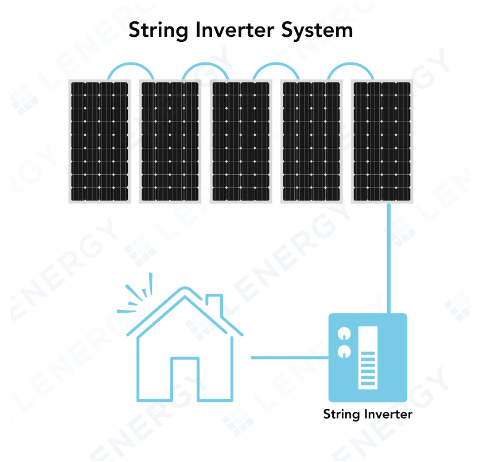
String inverters work by connecting multiple solar panels in series to feed a single input, which converts the DC power produced by the panels into AC power.

Microinverter vs string inverter
Graphic Image by Lenergy

String inverters are typically more cost-effective than microinverters, making them a great option if you are looking for a high return on investment, have budget constraints and may not be in your forever home.

Since they are connected to multiple solar panels in a string configuration, they can handle higher power capacities at a lower cost per watt.

Monitoring and maintenance for string inverters is relatively straightforward, with built-in monitoring capabilities and typically only requiring periodic inspections and firmware updates.

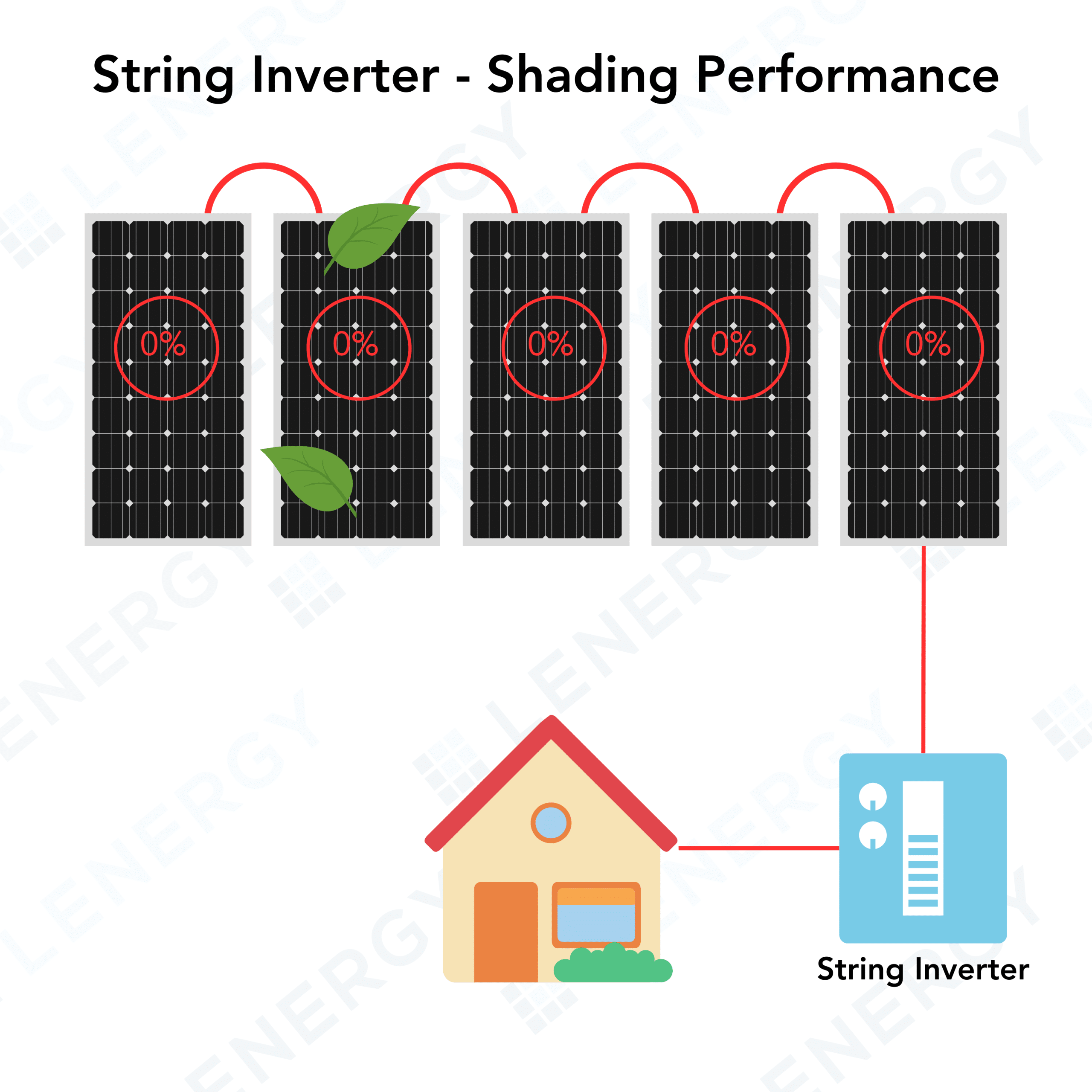
Something to consider when opting for string inverters is the orientation of your roof and any possible shading. As string inverters have limited inputs and the panels are all connected in series, they essentially operate as per the weakest link.

If one panel is shaded, soiled, or partially covered by leaves, the entire array’s output would be impacted.

Microinverter vsstring inverter
Graphic Image by Lenergy

This can also be due to your roof layout, having steep peaks or a high degree of pitch, shading can occur as the sun moves. 

roof types
Common Roof Types – Source Homedit.com

String inverters typically require all panels in a string to be of the same type and orientation. This can limit flexibility in system design, especially in installations with multiple roof angles or orientations.

The warranty on most string inverters is 5 to 10 years, offering a level of safeguarding and assurance, however it may fall short of the lifespan of the solar panels themselves. 

How much does a string inverter system cost at Lenergy?


–  6.6kW String inverter system from $6,693 
– 10kW String Inverter system from $9,970
– 13kW String Inverter system from $10,819

All these prices include the complete installation for a standard single phase, tin roof.

Most people will opt for a string inverter if they have a one story home with a regular roof pitch (22.5 degrees and under), no interferences that could cause shading and if they are not in a long-term dwelling. 

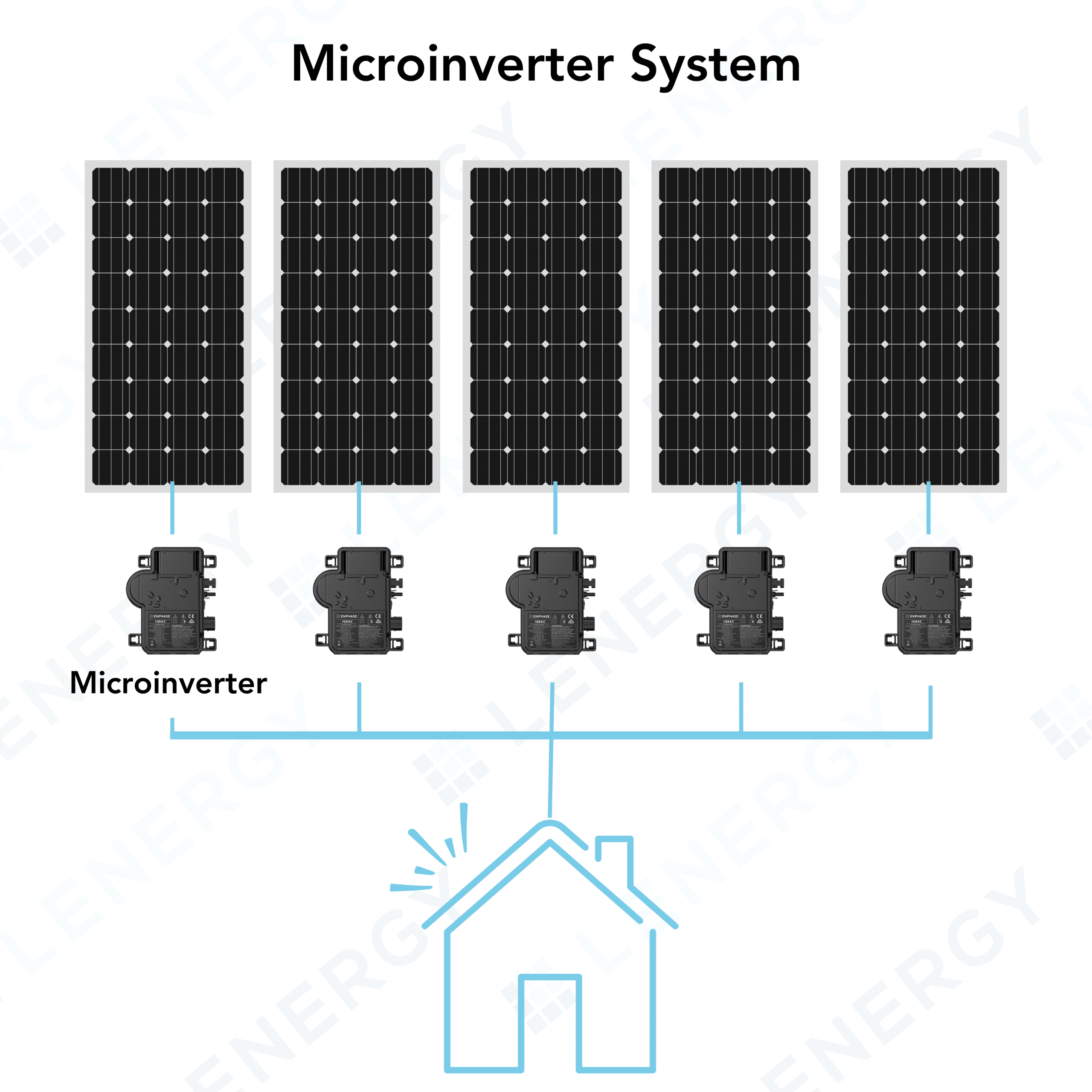
Microinverters, in contrast to string inverters, offer a decentralised approach to solar energy conversion by being installed directly beneath individual solar panels. This positioning enables each panel to function autonomously, unaffected by the performance of neighbouring panels. 

Microinverter vs String Inverter
Graphic Image by Lenergy

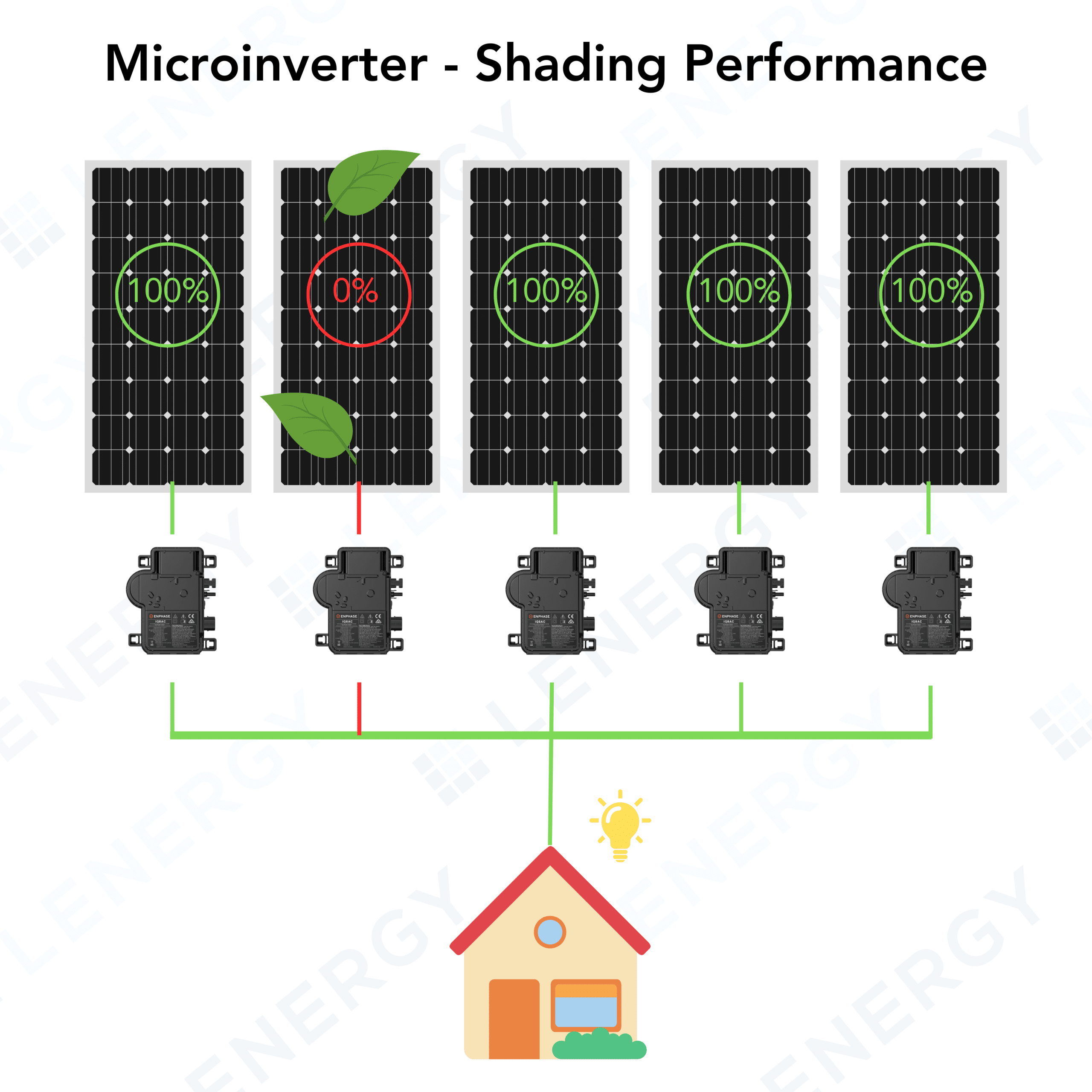
As a result, even if one panel is shaded or experiences a decrease in efficiency, it does not impact the output of the entire solar array. This distributed architecture enhances overall system efficiency and ensures maximum energy harvest, particularly in situations where shading or panel malfunctions are common. 

Microinverter vs string inverter
Graphic Image by Lenergy

Microinverters offer flexibility in system design compared to string inverters. With microinverters, solar panels do not need to be grouped into strings, allowing for more versatile installation layouts. This flexibility is particularly favourable for complex roof layouts or installations with panels facing different orientations. 

Microinverters tend to have a higher upfront cost compared to string inverters. Because each solar panel requires a microinverter, the cost per watt of a microinverter-based system can be higher than that of a string inverter-based system. 

This initial investment may be a deterrent, particularly those with budget constraints. Some may argue that you will save money in the long run, because they believe microinverters maximise each panel’s production. 

Monitoring of mircoinverters is quite advantageous as they allow you to see each solar panel’s individual production and performance in real time. This detailed monitoring provides valuable insights into the health and efficiency of the solar system, helping identify any issues or inefficiencies promptly.

microinverter monitoring
Photo taken from Enphase Enlighten App

While technology around microinverters is advancing, the current power handling capabilities may be less suitable for larger solar panels typically used in commercial-scale solar systems or solar systems with a large number of panels.

Out of the box, Enphase microinverters come with a 15 year product warranty which can be extended to 25 years, aligning more closely with the lifespan of solar panels themselves. 

How much does a microinverter system cost at Lenergy? 


– 6kW Micro Inverter system from $9,626
– 7kW Micro Inverter system from $10,080
– 9kW Micro Inverter system from $12,978

All these prices include the complete installation for a standard single phase, tin roof.

While microinverters may have a higher upfront cost and may not be suitable for larger commercial solar systems, their potential to maximise energy production, system efficiency and the longest warranties in the industry, they are an appealing option for many homeowners.


Safety Enhancements in Microinverter and String Inverter Technologies

When it comes to solar power, safety should always be a priority! After all, you’re dealing with conversion of electrical currents (and that’s no joke!) Microinverters play a crucial role in enhancing safety by converting direct current (DC) to alternating current (AC) directly at the solar panel.

This approach minimises the presence of high-voltage DC, which is typically more hazardous, from running throughout the solar power system. This localised conversion significantly reduces the risk of high-voltage electrical hazards across the installation. 

Recently, there has been advancements in string inverter technology which greatly improved safety measures within these systems. Companies like Fronius have been at the forefront of these innovations. They have incorporated ARC Fault Circuit Interruptions (AFCI) into their inverters, a technology designed to address and mitigate the risks of electrical fires and shock.

The AFCI is engineered to detect and interrupt ARC faults (an unintentional electrical discharge that can occur and is capable of igniting fires) which enhances the overall safety of the solar power systems in which these inverters are installed.

To String Or Not To String – Microinverter vs String Inverter

The choice between string inverters and microinverters ultimately depends on factors such as budget, long-term residence, roof layout, shading conditions, and individual preferences.

At Lenergy, we offer both String and Micro inverters as we know there is no one size fits all. Whether you’re looking for the durability and simplicity of a string inverter or the enhanced performance and individual panel optimisation of microinverters, we have the solution tailored to your needs.

Still unsure which one you should choose for your home?

Contact us today to discuss which inverter is better for you!