Do Solar Panels Work in Colder, Cloudier Climates?
If you’ve ever asked that question — especially from somewhere like the Southern Highlands, Goulburn or Canberra — you’re not alone. It’s one of the most common hesitations people have when considering solar. Maybe you’ve heard that solar panels“only works in the sun,” or that cloudy weather means zero output. And if you’re investing thousands into a system, you want to be sure it will actually deliver.
Here’s the good news: solar panels do work in colder and cloudier climates. And in many cases, they perform better than you might expect.
At Lenergy, we’ve helped hundreds of homeowners across NSW and beyond install solar in a wide range of conditions — from frosty to fog. We’ve seen how different weather affects performance, and we’ve designed systems to suit homes just like yours.
In this article, you’ll learn how cloud cover, temperature, and rain really affect solar output — and what that means for your panels and battery performance. We’ll break down common myths, share installer insights, and help you decide whether solar is still a smart investment in your location.
Do Solar Panels Still Work on Cloudy Days?
Yes — solar panels still generate electricity on cloudy days, just not at full capacity.
It’s a common misconception that solar only works in full, direct sunlight. In reality, panels are activated by sunlight when it hits the solar panels, the photovoltaic (PV) cells within the panels absorb the light energy, which still passes through clouds. That means even on overcast days, your system keeps producing — just at a reduced rate.

Here’s what to expect:
- Partly cloudy days: Output may drop by 10–25% depending on how dense and frequent the clouds are.
- Heavily overcast days: Output can dip by up to 50%. On particularly dark, stormy days, it may drop even further.
But this isn’t the full picture.
Modern solar systems are designed with these fluctuations in mind. Your solar inverter adjusts dynamically to capture whatever sunlight is available — and will scale production back up instantly when the sun reappears, even briefly.
In fact, on days with patchy clouds, intermittent bursts of sunshine (called “edge-of-cloud” events) can sometimes boost output above normal levels for short periods.
And remember, solar production is a long game. What matters most is annual generation, not individual cloudy days. If your home receives a decent amount of sunlight across the year — even if it’s seasonal — your system can still be financially and environmentally worthwhile.
What Happens to Solar Panels Output on Rainy Days?
Rainy days affect solar panels in much the same way as overcast ones — by reducing the amount of light that reaches the panels. But rain also brings a surprising bonus.
Let’s break it down:
- During rain: Solar production typically slows down due to heavier cloud cover. Output may fall by 40–80%, depending on how dark the skies get.
- After rain: Once the clouds clear, panels can perform better than before — because the rain naturally washes away dust, dirt, and pollen that build up over time. Cleaner panels = better efficiency.
So yes, you’ll get slower solar output during the rain. But unlike snow or extreme weather (which aren’t concerns in most Australian regions), rain doesn’t block light entirely, and it actually helps maintain panel performance in the long run.
From a system design perspective, solar installers factor in local weather patterns when sizing your array. If your region has regular rain in winter, your installer may recommend slightly higher capacity or a battery to ensure you’ve got backup energy on low-output days.
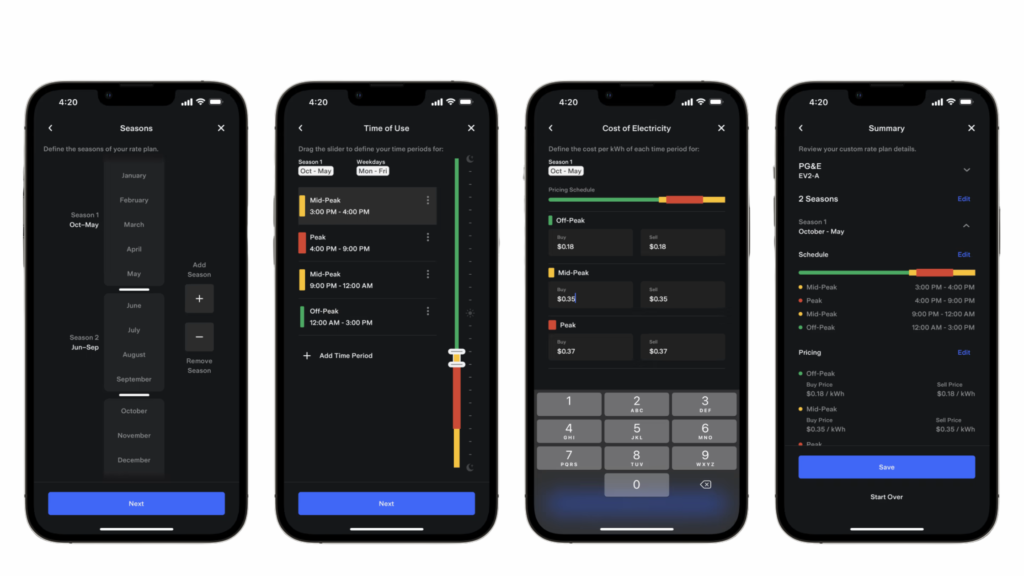
It’s also worth knowing that solar monitoring apps help you track this in real time. You’ll be able to see how your system performs through different seasons — and spot the post-rain boost when it comes.
Can Solar Batteries Still Charge Without Full Sunlight?
Yes — your solar battery can still charge on cloudy or rainy days. Just not as quickly.
This is one of the biggest misunderstandings about solar storage. Many people assume if the sun isn’t out, the battery sits idle. But that’s not true. As long as your panels are generating some electricity — and they usually are — that energy can be directed to charge your battery.
The key difference is in charging speed:
- Sunny days: Your battery might fully charge by mid-afternoon.
- Cloudy/rainy days: Charging is slower, and your battery may only fill partially.
That’s where battery sizing and system design matter. A good installer will configure your setup so that even partial charging gives you meaningful backup — particularly during peak evening hours when power is most expensive.
It’s also why stored energy becomes more valuable in bad weather. On a stormy evening when solar production is low, your battery gives you a buffer — reducing how much you draw from the grid.
So while clouds slow down charging, your battery doesn’t stop working — and on balance, it’s still doing its job of reducing grid reliance and protecting you from high prices.
Does Cold Weather Help or Hurt Solar Panels?
This might surprise you — cold weather can actually improve solar panel performance.
It’s not heat that generates electricity in solar panels — it’s sunlight. And like most electronics, solar panels operate more efficiently in cooler temperatures. So, while the amount of sunlight is what determines how much power you get, the temperature affects how efficiently your panels convert that light into electricity.
On a cold, sunny winter’s day, panels often perform better than they do on scorching summer afternoons. That’s because:
- High temperatures can decrease panel efficiency
- Cooler conditions reduce resistance in electrical components, making them more effective.
So if you’re worried your region’s lower average temperatures make solar a bad idea, rest easy: sunlight is the real driver, not heat.
How Does Heat Impact Solar Panels and Batteries?
Hotter doesn’t mean better when it comes to solar.
In fact, excessive heat can reduce solar panel efficiency and shorten the lifespan of your battery if it’s not installed properly.
For solar panels:
- Most panels are rated for optimal performance at 25°C.
- For every degree above that, efficiency can drop by around 0.3% to 0.5%.
- On a hot summer day (say, 40°C), panel output can decline by 5–10%, even with full sun.
For solar batteries:
Lithium-ion batteries also prefer cooler, stable conditions.
- The ideal operating range is 10°C to 30°C.
- Prolonged exposure to 40°C+ can degrade performance and reduce lifespan.
- Without proper installation — especially in direct sun or poorly ventilated garages — your battery could heat up quickly during summer.
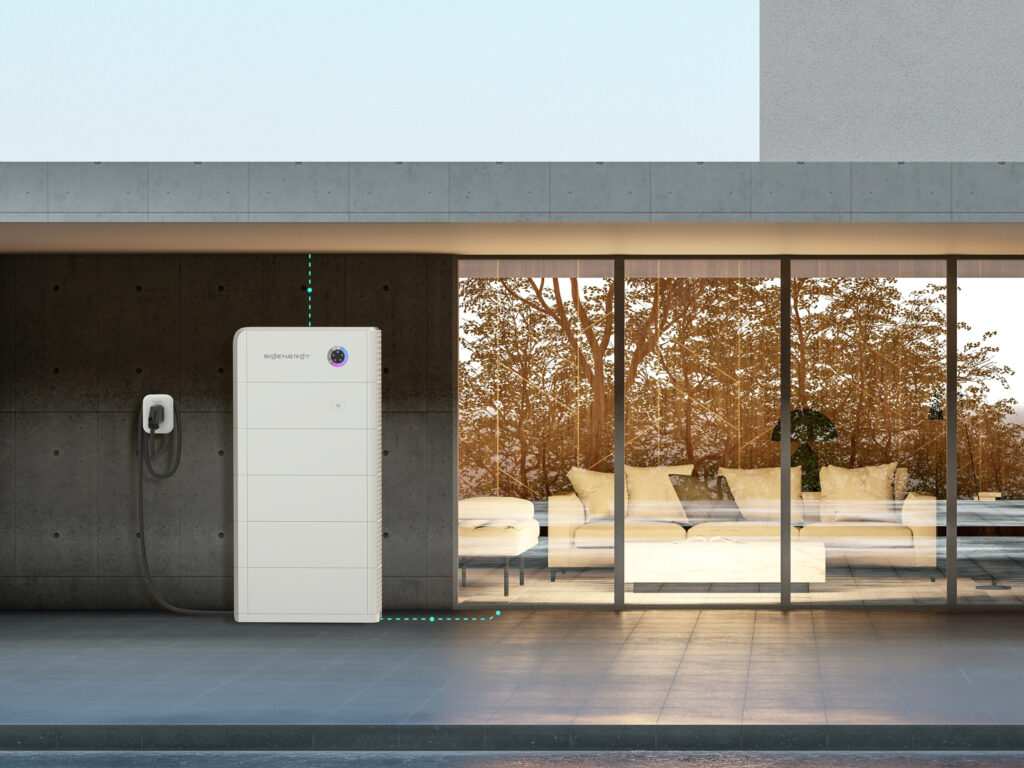
That’s why ventilation and shading matter. A reputable installer will mount your battery in a shaded or insulated spot, like a southern-facing wall or under an eave, and ensure there’s airflow to help regulate internal temperature.
So while heat doesn’t break your system, it’s something to be aware of — and good design helps manage it.
Is Solar Worth It in the Southern Highlands, Goulburn, or Canberra?
Yes — even in cooler, cloudier inland areas like the Southern Highlands, Goulburn, and Canberra, solar can still deliver solid results.
These regions experience a mix of seasonal fog, rain, and clear skies. While overcast conditions will reduce daily output, solar panels don’t need heat to work — just light. In fact, they often perform better on crisp, sunny winter days thanks to improved efficiency in cooler temperatures.
The key is to size your system appropriately and manage expectations around seasonal variation. With energy prices rising and modern systems built to perform across a range of conditions, solar is still a smart investment in these parts of NSW.
What Should You Look for in a Solar System for Colder or Cloudier Areas?
If you live in a region where cloud cover or cooler weather is more common, the type of system you choose — and how it’s designed — becomes even more important.
Optimise system orientation and tilt
- North-facing panels are ideal.
- A steeper tilt can help capture winter sun.
- Avoid shading from trees, buildings, chimneys or antennas.
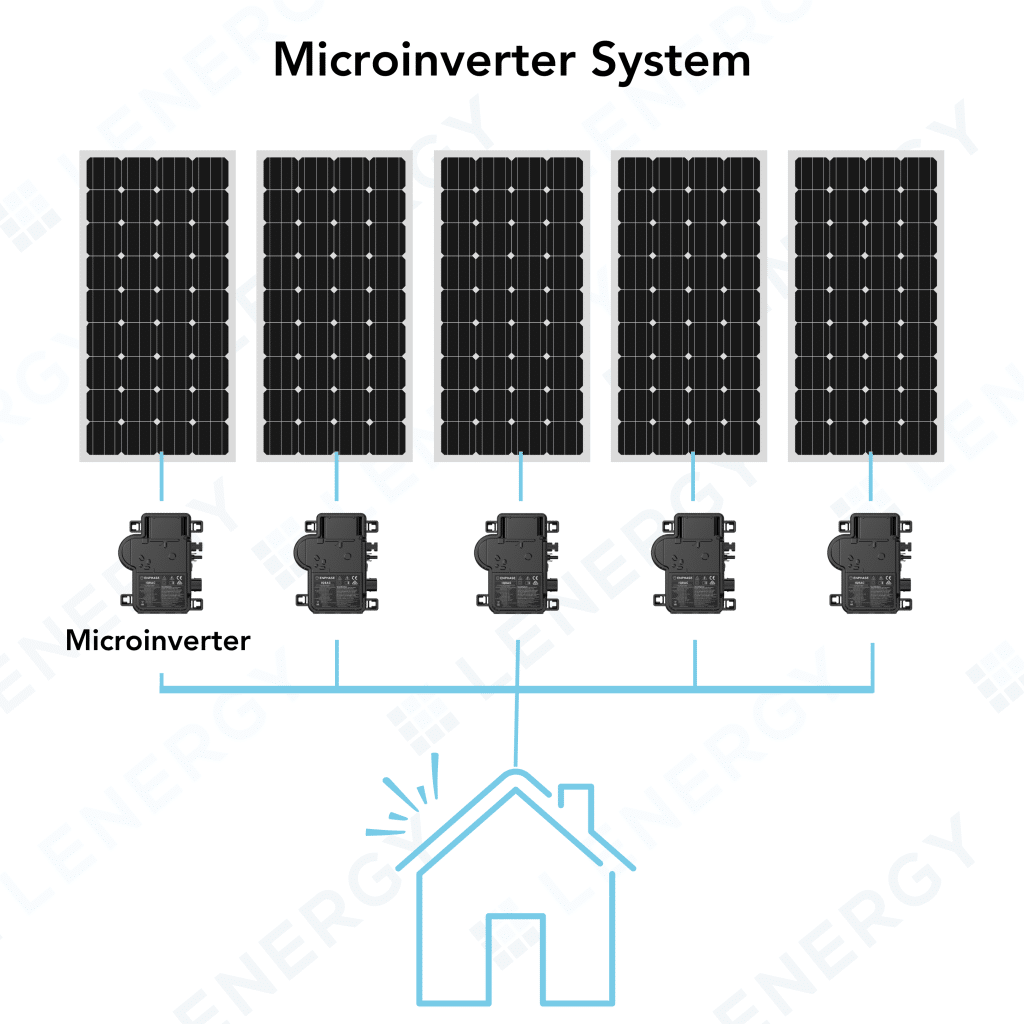
Consider microinverters or DC optimisers
These help each panel work independently — ideal for patchy clouds or uneven light. They also let you track performance panel-by-panel.
Add a battery if you can
A battery helps store power for use during cloudy evenings or grid outages — even if it doesn’t fully charge every day.
Keep your panels clean
Rain helps, but in damp climates, it’s smart to schedule a professional panel clean every 1–2 years for best performance.
Is Solar a Smart Investment in a Cooler Climate?
Yes — solar is still a smart long-term investment, even if you live in a colder or cloudier part of Australia. With the right system design and expectations, solar can still deliver real savings — and help you take control of rising energy costs.
Thinking about going solar in a cooler or cloudier part of NSW?
Our team at Lenergy can help you assess your roof, design a system tailored to your conditions, and answer any questions about performance, battery options, or rebates.