5 Tips For Choosing The Right Battery For Your Home
You’ve done your research. You’ve compared brands, watched reviews, maybe even spoken to an installer. And yet — you’re still unsure which solar battery is right for your home. Should you go with a big name like Tesla? Is a modular system better if your energy use might grow? What about blackout protection?
At Lenergy, we’ve helped hundreds of Australian homeowners navigate the battery buying process. From small homes with basic backup needs to high-usage properties with three-phase power, we’ve seen what works — and what causes headaches.
In this article, you’ll learn five straightforward, practical tips that will help you choose a battery that actually suits your home, your habits, and your future plans.
1. How Much Battery Storage Do You Really Need?
This is the first — and arguably most important — question to ask. A common mistake is thinking bigger is always better. In reality, oversizing your battery can add thousands to your upfront cost without giving you meaningful extra savings, unless you have plans to trade your power on a VPP (virtual power plant).
If you’re not wanting to trade your battery power on a VPP, then your battery should match your energy use, not just your energy production. If your home only uses 5–6 kWh in the evening, then you probably don’t need to install a 40 kWh battery.
A few quick sizing tips:
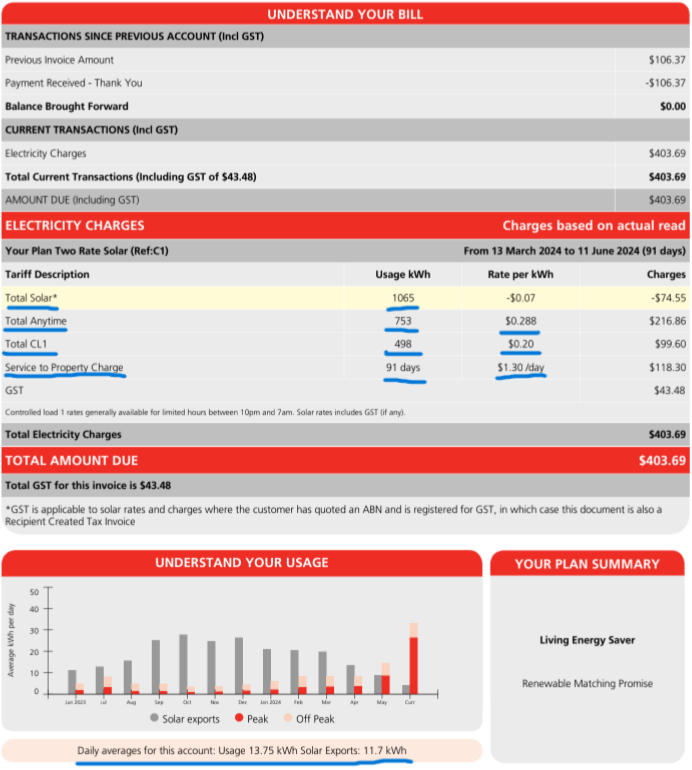
- Start by reviewing your power bills to see how much energy you use at night.
- If your solar panels regularly export a lot of excess power, that’s potential battery fuel.
- Blackout protection? Consider how much of the home you want covered — just the fridge and lights, or the whole house?
For most homes, and based on our own sales data from the past three months, the average battery size installed by Lenergy is around 30 kWh. That suggests many households are thinking ahead — not just about overnight usage, but also blackout coverage, electric vehicles, and future-proofing. If you think your energy use will grow, a modular system gives you flexibility to expand over time.
2. Should You Choose AC or DC Coupling?
This one sounds technical — but it matters more than most people realise, especially if you’re retrofitting a battery to an existing solar system.
So what’s the difference?
- DC-coupled batteries receive power directly from your solar panels, then convert it once for your home. This is more efficient, with fewer conversion losses — ideal for new systems or when installing everything together.
- AC-coupled batteries work independently of your solar inverter. They’re a bit less efficient, but they’re far more flexible — this is most common for people adding a battery to an existing system.
Here’s a simple way to think about it:
- If you’re starting from scratch and want maximum efficiency → DC coupling is better.
- If you already have solar and want to add a battery → AC coupling is usually easier and more common.

Most homeowners fall into the second category, which is why options like the Tesla Powerwall 3 are popular — it’s an AC-coupled battery that plays well with most systems, regardless of brand or inverter type.
3. Battery Chemistry and Efficiency
Battery chemistry might not sound exciting — However it plays a big role in how safe, long-lasting, and cost-effective your battery is.
Most home batteries in Australia now use lithium-ion Phosphate technology, but there are two common types:
- NMC (Nickel Manganese Cobalt): Often used in older or high-energy-density batteries like earlier Tesla models.
- LFP (Lithium Iron Phosphate): The safer, more stable option — better for heat resistance and longevity.
Why does this matter?
- LFP batteries typically last longer and are more thermally stable (a big deal in Australian summers).
- They can also be cycled more frequently with less degradation — giving you better long-term value.
Another key metric is round-trip efficiency — how much of your stored energy you actually get back when using it. Look for batteries with at least 90–95% round-trip efficiency. Anything less means more energy loss and slower payback.
For example, the AlphaESS Smile G3 uses LFP chemistry, a stable, reliable, and thermally safe chemistry that makes it well-suited to Australian homes and summer heat.
4. Warranty, Backup Power & Smarts: Features That Matter
It’s easy to get distracted by flashy features, however when you’re investing thousands in a battery, these three practical areas require your attention:
Warranty
A good battery warranty should last at least 10 years, with some premium brands offering 12-15 years. Beyond the number of years is the cycle count (e.g. 6,000 cycles) and the energy throughput limit (e.g. 20MWh). For the maximum return on a warranty you should considering the below 3 things;
- Does it cover full replacement or just performance degradation?
- Are labour and transport costs included?
- Are there usage conditions (like VPP participation) that affect the warranty?
Keep in mind:
- You only get the federal battery rebate once. It pays to get it right the first time.
- If a brand hasn’t been around long — or has few reviews — ask yourself: Will they still be here in five years if something goes wrong?
- A 10-year warranty from a company that’s only existed for two is not the same as a 10-year warranty from a trusted brand with proven support.
Backup Power
Not all batteries provide blackout protection — and not all backup systems are equal.
- Some batteries only cover a few key circuits. (like an Alpha ESS system)
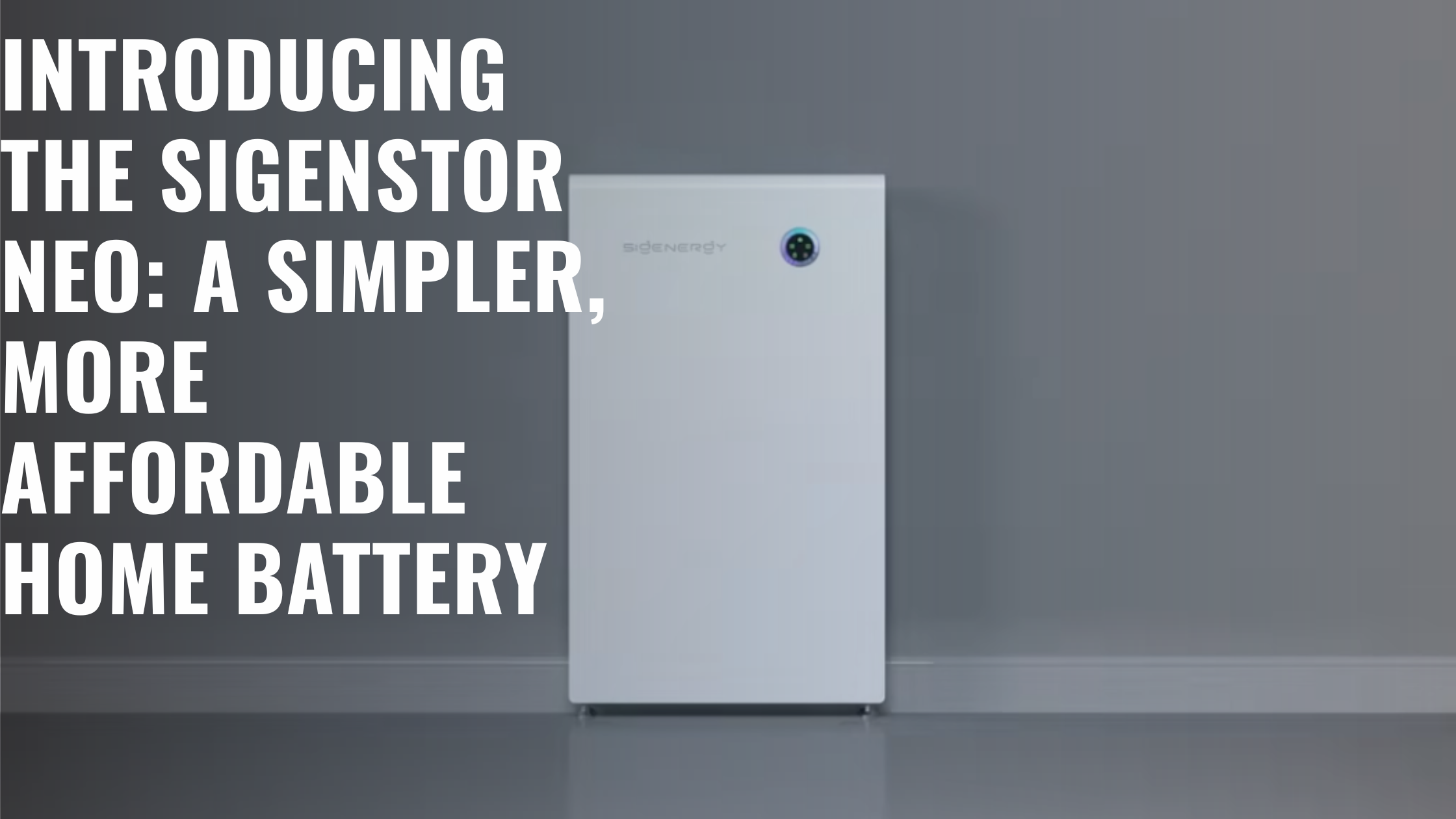
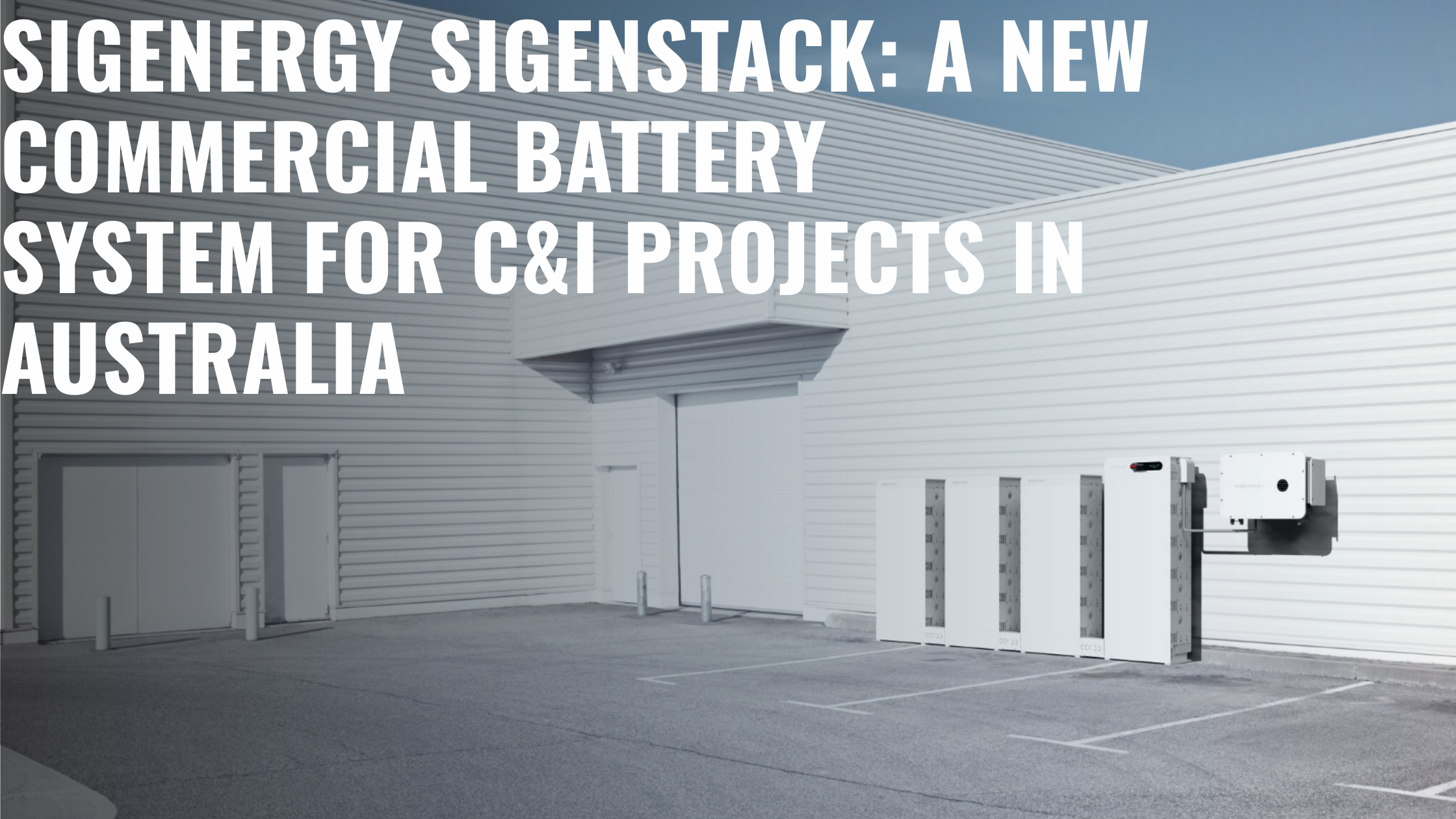
- Others (like the Sigenergy SigenStor) can provide full three-phase backup, which is a game-changer for larger homes or those needing uninterrupted power.
Smart Monitoring
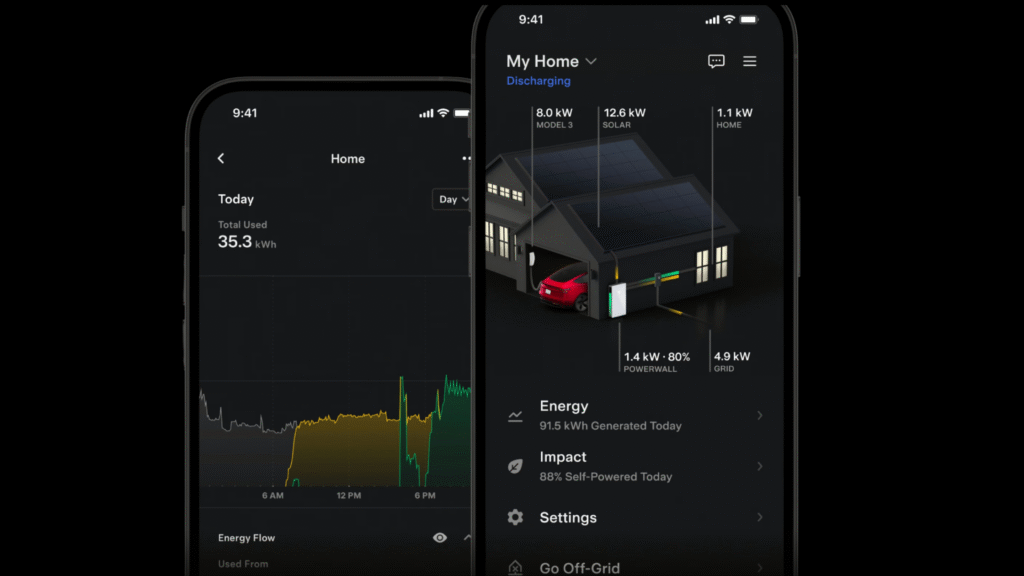
A user-friendly app can help you track solar generation, energy use, and battery performance. Bonus points if it includes AI-based optimisation, like the mySigen app with Sigenergy’s SigenStor or Tesla’s app for Powerwall 3. These platforms help you maximise savings by timing battery usage for peak electricity prices or VPP events.
5. Check the CEC Approved Battery List Before You Buy
Before committing to any solar battery, it’s critical to make sure it’s on the Clean Energy Council’s (CEC) list of approved batteries. This isn’t just a quality tick — it’s a requirement for eligibility in many state and federal rebate programs, including the Small-scale Renewable Energy Scheme (SRES).
The CEC approved battery list includes over 1,000 lithium-based batteries that meet strict safety and consumer protection standards outlined in the Australian Battery Safety Guide. These include international compliance standards and additional safeguards to ensure your system operates safely and is eligible for grid connection.
Not on the list? Rule it out.
Top 10 Battery Brands Rated by Aussie Homeowners
When you’re making a big investment like a solar battery, it pays to listen to people who’ve already been through the process. That’s where SolarQuotes comes in — one of Australia’s most trusted solar review platforms, with over 90,000 genuine reviews across installers, panels, inverters, and batteries.
Based on customer feedback collected through their platform, these are the Top 10 battery brands in Australia right now — ranked by overall satisfaction and performance:
- Sigenergy
- SunGrow
- Alpha-ESS
- Tesla Powerwall 3
- Anker Solix
- Tesla Powerwall 2
- SolaX Power
- BYD
- Fox ESS
- Goodwe
This ranking is based on independent reviews and ratings collected by SolarQuotes. You can view the full list — and compare even more brands and models — via their SolarQuotes battery comparison table.
Confidence Over Confusion
When you focus on the essentials — sizing, compatibility, chemistry, features, and fit — you’ll end up with a solution that works for your home long after the install is done. However, here’s the part many people overlook: it’s not just about the product specs. It’s about the company behind the battery, too.
From our experience, these are non-negotiables when choosing a battery brand:
- Solid reviews from both installers and customers
- Reliable tech support and after-sales service
- A proven track record in the Australian market
If you’re still comparing options or weighing the pros and cons, or want to understand the broader value batteries offer beyond just storage? Check out our guide on 5 practical reasons to add a battery to your solar system. And if you’re ready to talk specifics, get in touch with Lenergy — we’re happy to walk you through the best options for your home, your usage, and your future plans.