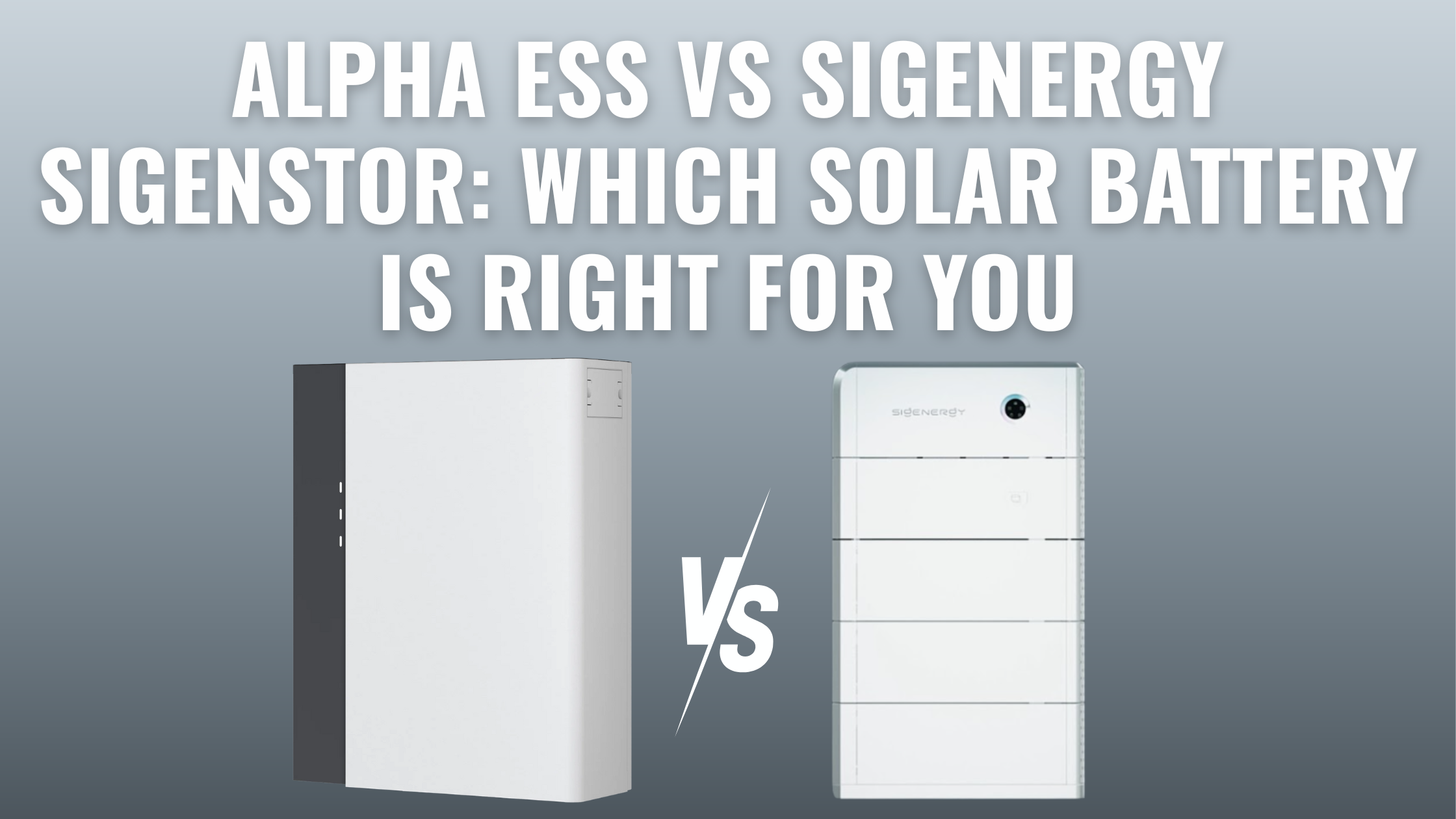
Alpha ESS vs Sigenergy SigenStor: Which Solar Battery Is Right for You
Two of Australia’s Most Talked-About Batteries — But Which One’s Right for You?
If you’re reading this, you’ve probably already heard of Alpha ESS and Sigenergy SigenStor — and for good reason. These two battery systems are among the most commonly recommended in Australia right now. They’re both compatible with rooftop solar, offering storage flexibility, and they both have strong reputations in the industry.
However, that doesn’t mean they’re the same — or that either one is automatically the best fit for your home.
What makes this comparison especially important in 2026 is how quickly the energy landscape is shifting. Feed-in tariffs have dropped, grid electricity rates are rising, pushing Australian families to consider batteries not just for savings, but for energy independence — and in some cases, backup during blackouts.
While both batteries are solid performers, they’re designed with different types of households in mind. One offers a more affordable approach with a proven brand track record. The other is a fully integrated, premium system with smart automation and seamless whole-home backup.
In the sections ahead, you’ll see how each system stacks up — so you can choose the one that actually suits the way you use power.
- How Are Alpha ESS and SigenStor Designed Differently?
- Which Battery Is More Reliable?
- Safety Features and Protection Against Battery Fires
- Compatibility: Which Works Better with Your Existing Solar Setup?
- Backup Power: What Happens in a Blackout?
- Smart Features: What Tech Comes Built-In?
- VPP Suitability: Which Battery Is Battery Optimised?
- What Is Force Charging and Which Battery Does It Best?
- Pricing: What Can You Expect to Pay?
- Quick Comparison Table
- Which One Should You Choose?
How Are Alpha ESS and SigenStor Designed Differently?
The first key difference between Alpha ESS and SigenStor is how their systems are structured — particularly when it comes to how modular components are integrated and managed.
Alpha ESS: Modular and Traditional
Alpha ESS batteries use a modular design, where separate battery units are paired with an external inverter. This gives homeowners flexibility in choosing storage size and configuring the system to suit their existing solar infrastructure. It’s a more traditional setup — straightforward and cost-effective.
The battery modules are scalable, and the system design allows you to add more capacity over time. However, integration with energy management systems, EV chargers, and blackout protection features will depend on the additional components you include.
Sigenergy SigenStor: Modular and Fully Integrated
SigenStor is also a modular system — but with a much higher level of built-in integration. It combines five components into one stackable unit:
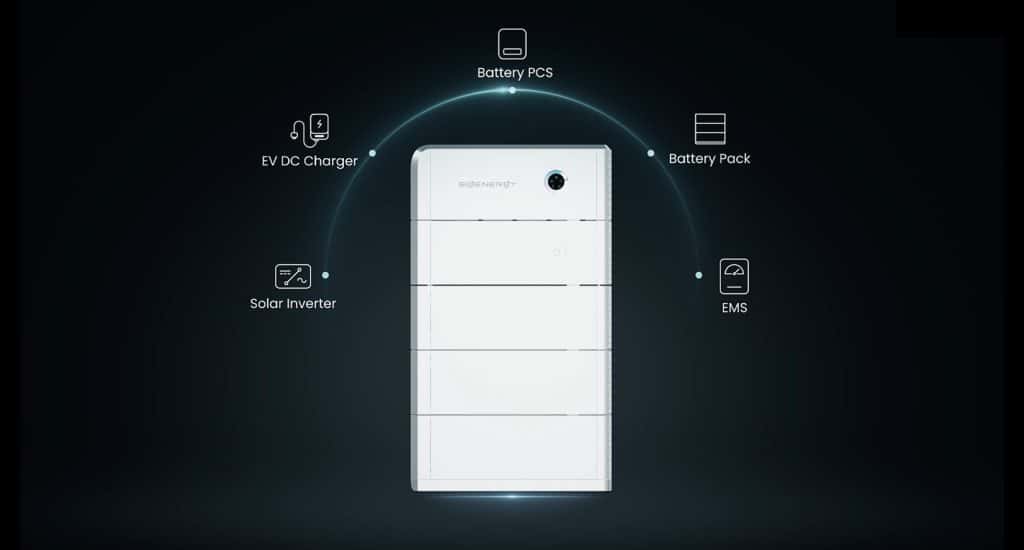
- Solar inverter
- Battery pack (modular and stackable)
- Power Conversion System
- Energy Management System
- Optional EV DC charger
Each battery stack can be scaled from 5kWh up to 48kWh, making it suitable for homes or small businesses. The modular design simplifies installation while maintaining a compact footprint.
The system also includes a dedicated Gateway, which handles communications, VPP integration, and seamless whole-home backup during blackouts. It’s not just modular — it’s smart, compact, and designed to work as a unified energy solution out of the box.
Which Battery Is More Reliable?
When it comes to solar batteries, reliability is about more than just performance specs. It’s also about ongoing support, brand track record, and how well a company handles issues when they arise.
Alpha ESS: Established Brand with Local Support
Alpha ESS has been around for over a decade and has built a strong presence in Australia. One of its key advantages is the availability of local customer service offices across the country. This means when things go wrong — or even if you just need support post-installation — you can rely on someone who understands the local market and will get back to you in a timely manner.

The brand also uses lithium iron phosphate (LFP) battery chemistry — widely considered one of the most stable and durable in residential batteries.
Sigenergy: Fast-Growing with Proven Performance
Sigenergy is a newer player, having entered the market in 2022. Despite its short history, it’s quickly gained traction for delivering high-performing, AI-driven energy systems. In fact, it was voted the #1 battery in Australia three months in a row.
Sigenergy did experience a recall of some inverter units, however, the issue was handled quickly and transparently. The company provided a formal replacement process, and there have been no further reported faults since.
Safety Features and Protection Against Battery Fires
Battery safety is understandably one of the biggest concerns for homeowners. Both Alpha ESS and Sigenergy are regarded as safe, well‑engineered battery systems that use stable lithium iron phosphate (LFP) chemistry — one of the safest battery chemistries available for residential use.
That said, there are differences in how far each brand goes when it comes to built‑in safety layers.
Alpha ESS: Proven and Thermally Stable
Alpha ESS batteries are designed with a five‑layer comprehensive protection system, an IP66-rated weatherproof enclosure, and LFP chemistry that’s known for its thermal stability and reliability in Australian conditions.
While Alpha doesn’t publicly disclose detailed component‑level fire mitigation systems, its long track record, conservative design approach, and stable chemistry have made it a trusted option for many Australian homes.
Sigenergy: More Advanced, Multi-Layered Protection
Sigenergy takes safety a step further with a six‑layer, industry‑leading protection system built directly into the battery stack. These features are designed to detect, contain, and suppress issues before they escalate:
- Full-coverage temperature monitoring with 8 sensors tracking 12 cells in real time
- High-temperature resistant insulation pads that block over 80% of heat transfer between cells and preventing thermal runaway
- Built-in smoke sensor with rapid response and extremely high detection accuracy
- Automatic decompression valve to safely release internal pressure
- Integrated fire extinguishing kit that absorbs heat and chemically inhibits combustion within seconds
- High-temperature insulation and heat isolation layer rated up to 650°C to prevent DC arcing and heat spread
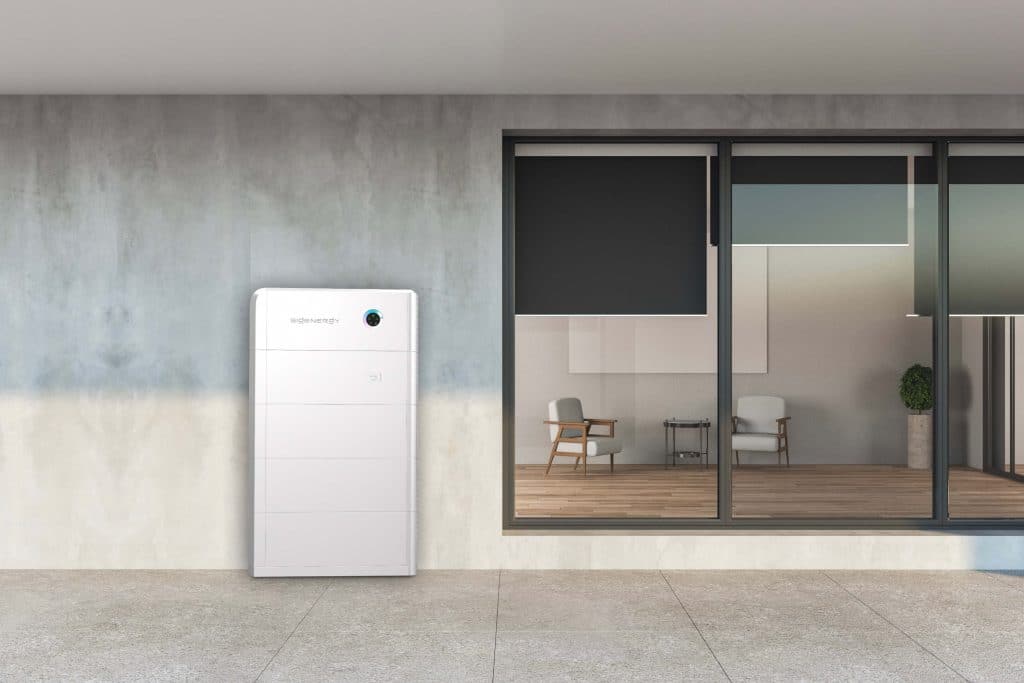
These additional layers make Sigenergy one of the more sophisticated safety designs currently available in the residential battery market.
The Bottom Line on Safety
Both batteries are safe and suitable for Australian homes. Alpha ESS offers proven reliability and stable design, while Sigenergy adds more advanced detection and suppression systems for homeowners who want the highest level of built‑in protection.
As with any battery system, correct installation by an accredited installer is just as important as the hardware itself.
Compatibility: Which Works Better with Your Existing Solar Setup?
Whether you’re adding a battery to an existing solar system or building one from scratch, compatibility is a key factor. The good news is that both Alpha ESS and Sigenergy SigenStor work well with new and existing systems, and can be configured for most properties.
Alpha ESS: Flexible, Installer-Friendly, and Single Phase Ready
Alpha ESS is a popular option for both retrofits and new builds. It works with a wide range of inverters and system configurations — whether you’re using a hybrid setup or AC coupling — and is generally straightforward to install.
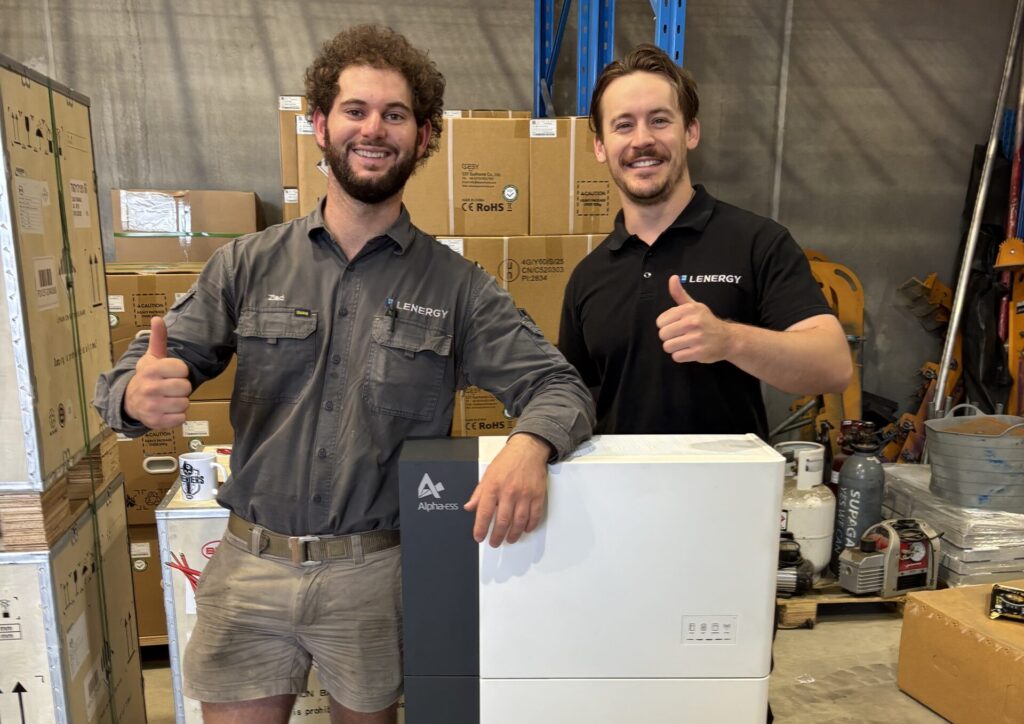
The single-phase Alpha battery is ideal for most homes and can even be installed on a three-phase property, though it will only supply one phase. For homeowners with existing three-phase solar systems — or those looking to install a larger, more balanced setup — a three-phase battery is typically the better option.
As of 21 January 2026, Alpha’s three-phase battery is not yet approved by the CEC. However, Lenergy has been advised directly by Alpha that approval is expected by March 2026. That said, CEC approvals can be delayed. If you’re planning a three-phase battery install and want to take full advantage of current rebates before they drop in May, you may want to consider an alternative that’s already approved.
Sigenergy SigenStor: Fully Integrated and Three-Phase Ready
Sigenergy is available in both single and three-phase models, with CEC approval already in place and installations underway across Australia. While it’s often installed as a complete, integrated system, it can also be retrofitted to existing solar setups. The system includes its own inverter and Gateway, which can take over from older or less efficient components — making it ideal for homeowners with high energy consumption looking to back up their existing three-phase system or install a new system altogether.
For homes with a three-phase solar system, choosing a three-phase battery like Sigenergy allows energy to be distributed evenly across all phases — a real advantage for larger homes or households with high energy demands.
Bottom Line
Both batteries are compatible with most Australian solar systems, whether you’re starting fresh or retrofitting. The main differences lie in installation design, three-phase availability, and how soon you’re looking to get up and running — particularly if you’re trying to time your install around rebate changes.
Backup Power: What Happens in a Blackout?
Blackout protection is one of the top reasons homeowners look at adding a battery. However, not all systems handle outages the same way — and not everyone needs full-home backup.
Alpha ESS: Basic Backup for Essential Circuits
With Alpha ESS, you’ll get some level of blackout protection, but it’s limited to essential circuits only. Most homeowners using Alpha set it up to keep things like a fridge, Wi-Fi, and one or two lights running during an outage. It’s practical and reliable — but not designed to power your entire home.
If your main goal is just to have a little peace of mind — enough to keep the basics on — Alpha does the job well without the added cost of a full backup setup.
Sigenergy SigenStor: Seamless Whole-Home Backup
Sigenergy, on the other hand, includes a dedicated Gateway as part of the system, which allows for seamless full-home backup in the event of a blackout. That means the switchover is instant, and you won’t need to pick and choose which appliances stay on — the system keeps everything running, provided you’ve sized your battery correctly.
Not sure what size battery you’d actually need to back up your whole home? Get in touch with Lenergy for a personalised quote — we’ll help you size your system based on your usage, priorities, and budget.
Smart Features: What Tech Comes Built-In?
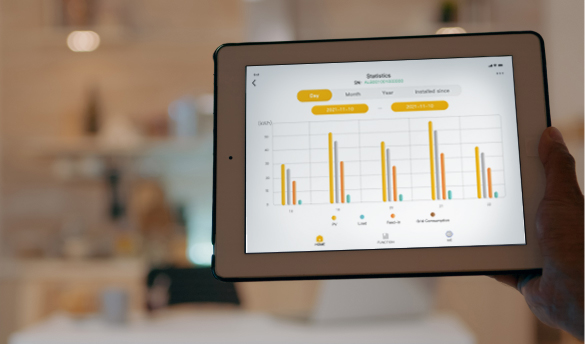
Both Alpha ESS and Sigenergy come with app-based monitoring, allowing you to track your solar production, battery charge level, and household energy usage in real time. This gives you a clear picture of how your system is performing and helps you make more informed decisions about your energy use.
Alpha ESS: Simple, Reliable Interface
The AlphaCloud app focuses on providing the essentials. You can view real-time and historical energy data, monitor how much power your system is generating, storing and using. It’s reliable, straightforward and easy to navigate — ideal for those who want clear insights without the need for advanced features.
Sigenergy: More Customisation, More Control
While both systems offer visibility, Sigenergy stands out for its advanced AI software, which gives you more insight, more customisation and ultimately more control over how your system operates.
Through the mySigen app, you can:
- Monitor system performance in more detail
- Track battery behaviours like charge and discharge windows
- Optimise backup reserve levels
- Manage optional EV charging settings to rely on the grid as little as possible to charge your EV

VPP Suitability: Which Battery Is Battery Optimised?
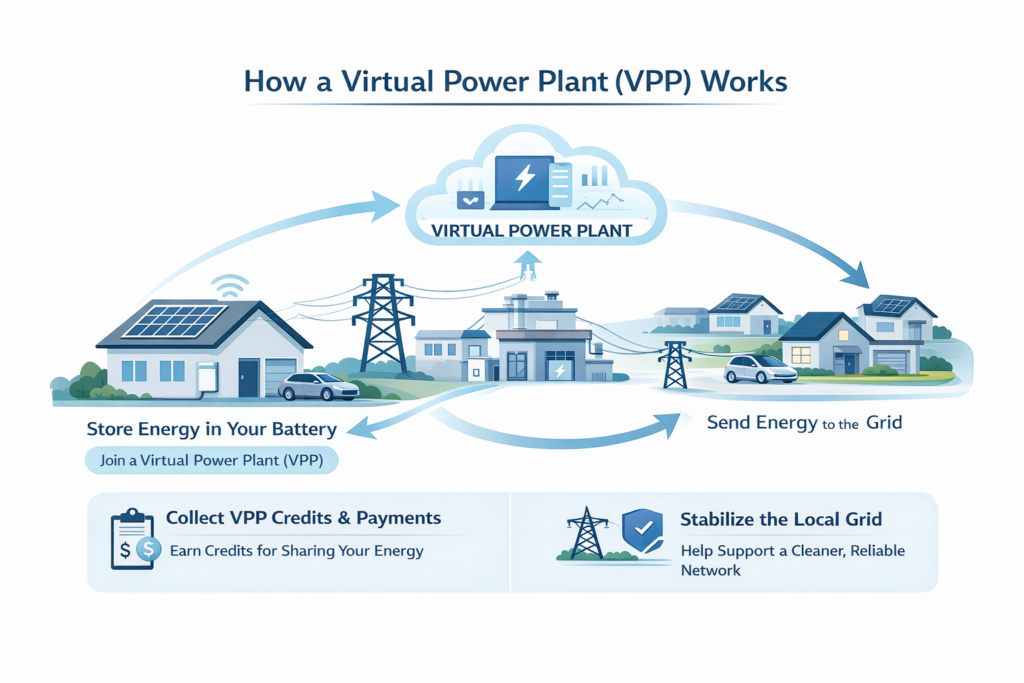
Virtual Power Plants (VPPs) are becoming more common in Australia, especially as battery ownership grows and energy retailers look for smarter ways to balance grid conditions. When you join a VPP, you allow your battery to buy and sell electricity from the grid according to current supply and demand — meaning, done right, you can profit off your battery.
Not all battery systems connect equally well to these programs. A recent SolarQuotes VPP comparison shows just how much variation there is between providers, eligibility criteria, and battery compatibility. That’s why it’s important to choose a system that gives you flexibility if joining a VPP is on your radar — now or in the future.
Alpha ESS: Compatible With Most VPPs
Alpha ESS batteries are widely supported across many of Australia’s major VPP programs. Most energy retailers that run VPPs list Alpha as a compatible option, making it a safe and flexible choice if you want to take part in one down the line.
Sigenergy: Built With VPPs in Mind
Sigenergy systems — particularly with the built-in Gateway — are well-suited to VPP participation. The Gateway enables real-time communication with energy retailers, which can help improve response times, accuracy of control, and eligibility for advanced VPP offerings.
What Is Force Charging and Which Battery Does It Best?
Force-charging is quickly becoming a valuable workaround for households that can’t generate enough solar to meet their energy needs — whether due to limited roof space, shading, or other constraints. With more electricity retailers now offering “free power” plans during off-peak windows, it’s a trend worth paying attention to.
What Is Force Charging?
Some electricity plans such as OVO and Globird now offer a few hours of free electricity each day, typically for a 3–4 hour window in the middle of the day. During this time, homeowners can draw unlimited power from the grid — without paying for it.
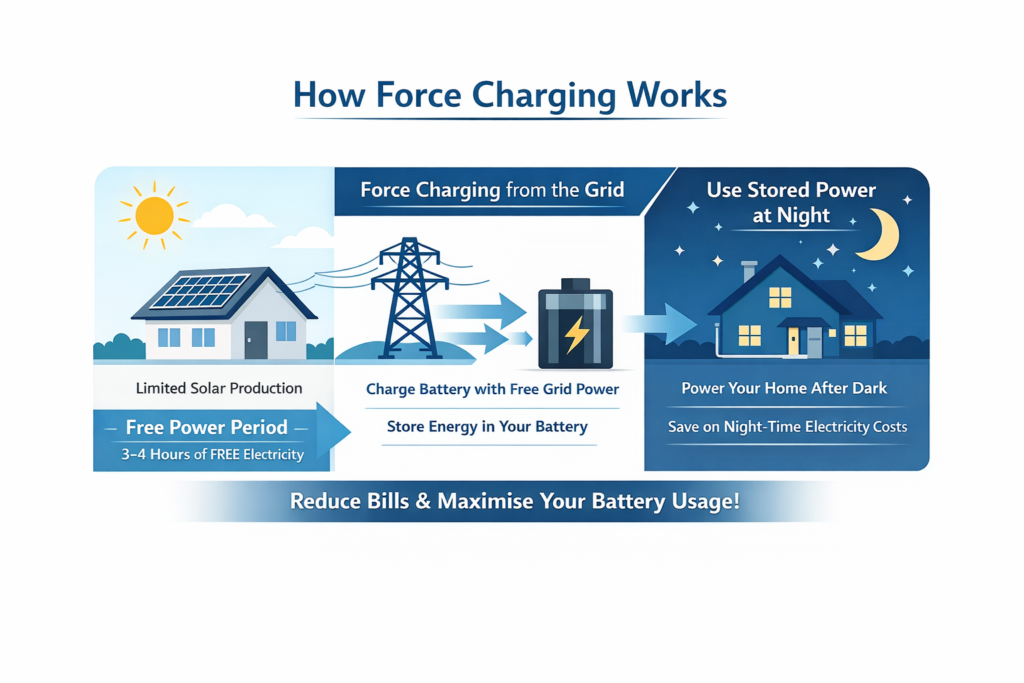
For homeowners with a battery you can “force-charge” your battery from the grid during this free period, storing energy so that you can offset your night time usage. It’s a smart strategy for households that don’t produce enough excess solar to fully charge their battery on sunshine alone.
Which Battery Handles It Better?
Both Alpha ESS and Sigenergy can be configured to force-charge from the grid. The difference between the two comes down to the rate in which your inverter can charge your solar battery.
- Alpha ESS batteries are fully capable of force-charging during these windows, and for many households, it’s enough to take advantage of most free power plans.
- Sigenergy SigenStor, however, has an edge here thanks to its larger inverter capacity. Which means it can draw more energy in a shorter amount of time, helping you maximise the value of a short force-charging window — especially if your household has higher usage or a larger battery bank to fill.
Why It Matters
If you live in a shaded area, have limited roof space, or are simply looking for more creative ways to reduce your power bill, force-charging could be a major advantage. And as the government continues rolling out its solar sharing program, more households will be encouraged to draw and store low-cost power from the grid at off-peak times.
Pricing: What Can You Expect to Pay?
Alpha ESS: Budget-Friendly and Scalable
Alpha ESS is typically considered the more affordable option of the two. Its modular design and compatibility with existing systems help keep installation costs lower. It’s well-suited for homeowners who want to store solar, lower their bills, and comes VPP ready without spending top dollar.
It offers good value for money, particularly if you don’t need advanced features or full-home backup.
Sigenergy: Premium Features, Premium Price
Sigenergy sits at the higher end of the market, and the price reflects its all-in-one design, built-in Gateway, smart software, advanced safety features including 6 levels of fire protection, and seamless backup capabilities. You’re not just paying for battery storage — you’re investing in a tightly integrated energy system with smarter controls and future-ready features (like optional integrated EV charging and AI optimisation).
Quick Comparison Table
| Feature | Alpha ESS SMILE-G3 | Sigenergy SigenStor |
| Design | Modular battery with external inverter | Modular, all-in-one system with integrated inverter, EMS, and Gateway |
| System Type | Traditional setup | Fully integrated 5-in-1 system |
| Blackout Protection | Key circuits only | Seamless whole-home backup (via Gateway) |
| App Monitoring | Yes | Yes |
| App Features | Basic monitoring | Advanced AI software with customisation and control |
| EV Charging Option | No | Yes (optional integrated EV DC charger) |
| VPP Compatibility | VPP ready | VPP ready with enhanced Gateway integration |
| Best For | Budget-conscious installs, proven track record, and customer care | Premium systems with full automation, blackout protection, and smart energy control |
| Typical Price Positioning | More affordable | Higher upfront cost, more features |
Which One Should You Choose?
Alpha ESS vs Sigenergy Sigenstor – At the end of the day, both are solid choices — but they’re built for slightly different priorities.
Choose Alpha ESS if:
- You’re looking for a cost-effective battery with a proven track record.
- You want local support and customer care you can rely on.
- Your focus is on lowering bills, not necessarily automating or backing up your entire home.
- You’re happy with basic blackout protection for key circuits, like your fridge and a light or two.
Choose Sigenergy SigenStor if:
- You want a fully integrated energy system with more automation and control.
- You need seamless full-home backup in the event of a blackout.
- You plan to charge an EV or want to get ahead of future energy trends.
- You like the idea of having advanced software and AI optimising your system behind the scenes.
- You’re open to a higher upfront cost in exchange for more long-term capability.
Both batteries are VPP-ready, modular, and compatible with existing or new solar systems. The right one for you will come down to how much control you want, how much backup you need, and how much you’re looking to invest.
At Lenergy, we help homeowners compare options like Alpha ESS vs Sigenergy every day. If you’d like advice that’s based on your energy goals get in touch with our team here.