What Are The Best Solar Panels?
Are you feeling overwhelmed by all the solar panel options in 2024? You’re not alone. With such a flooded solar market it’s hard to know what all the differences are. You’re probably wondering which panels are most efficient? And, how to get the available incentives and rebates.
We are consistently asked what is the best solar panel and why? With years of experience in installing solar and having tried and tested a variety of brands, we want to share our insights with you.
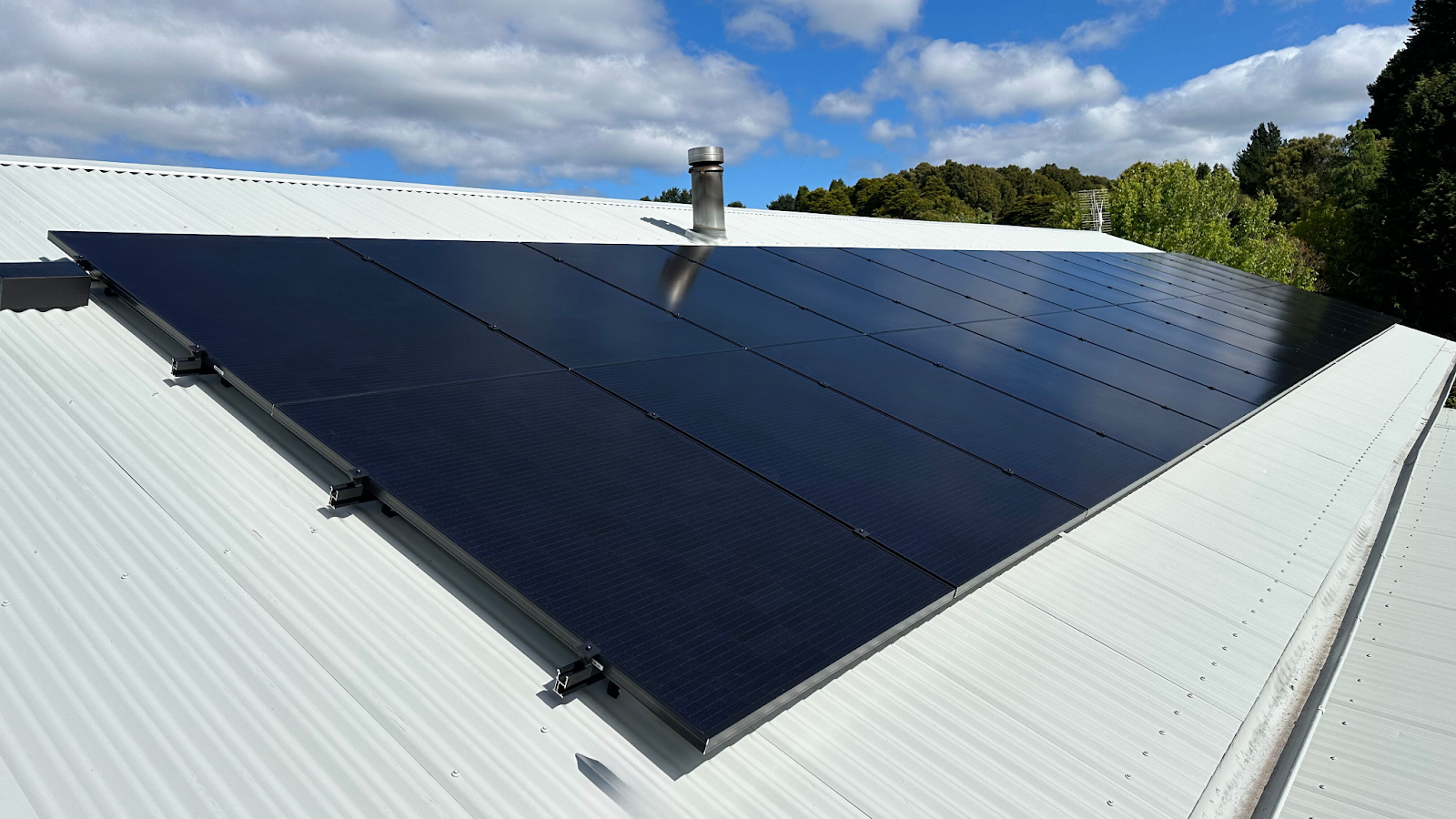
At Lenergy, we offer Aiko Neostar 2P solar panels due to the all black design, efficiency and durability but we know there are many other fantastic solar panel brands available.
Just a heads-up: we won’t be discussing pricing in this article. The reason is that pricing varies widely depending on several factors, and each solar company has the flexibility to set its own rates. We touch more on this here: Why Do Solar Companies Charge Different Prices For The Same Product.
Instead, we’ll focus on helping you find the best solar panels available by looking at factors like efficiency, durability, and warranty, so you can make an informed decision for your home or business. Lets Dive in:
Overview of the Solar Panel Market in 2024
The solar panel market in NSW for 2024 is both dynamic and innovative, driven by growing awareness of climate change and the push for renewable energy. Manufacturers are continually enhancing their products, focusing on improving efficiency and durability. This year’s advancements centre on photovoltaic (PV) technology, aiming to deliver higher energy output and longer-lasting performance.
Key Trends For Solar Panels in NSW:
- Higher Efficiency: Modern solar panels now boast efficiency rates exceeding 22%, meaning they can convert more sunlight into usable energy.
- Durability Improvements: Advances in materials science have led to more robust solar panels that can withstand harsh environmental conditions, from intense UV exposure to severe weather.
- Smart Solar: Solar Panels integrate with smart technology. This allows for better monitoring and optimisation of energy production.
- Eco-friendly Manufacturing: There’s a growing emphasis on making solar panels using sustainable methods and materials. This will further reduce the carbon footprint.
Top Solar Panels in NSW for 2024
Before diving into the details, it’s important to know that choosing the right solar panel for your needs goes beyond just efficiency. Factors like durability, special features, warranties, and long-term performance also play a key role. To help you make the best choice, we’ve compiled a list of the top solar panels available in NSW for 2024, highlighting these essential aspects.
In no particular order, here are the best solar panels you should consider:
SunPower Maxeon 7
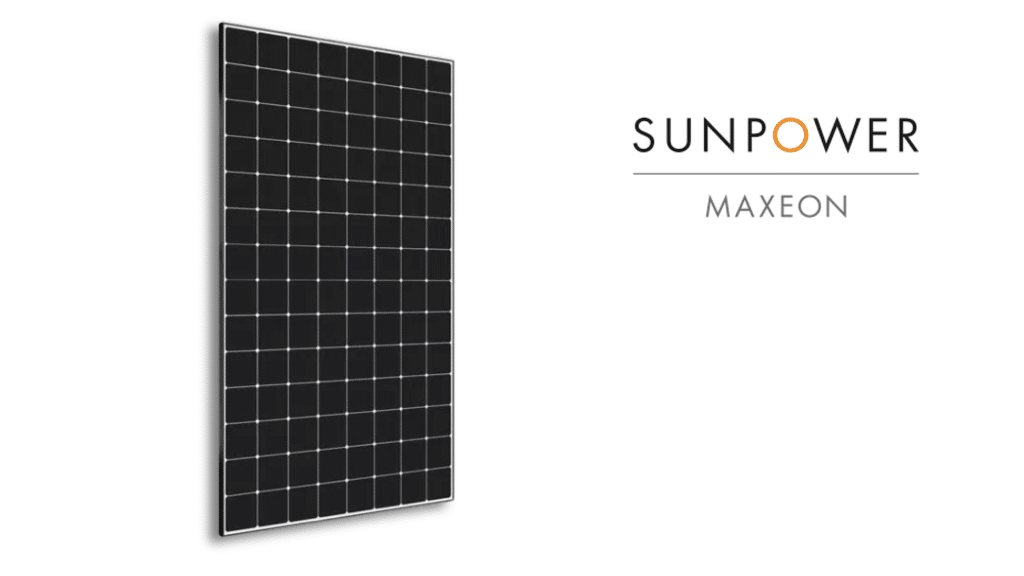
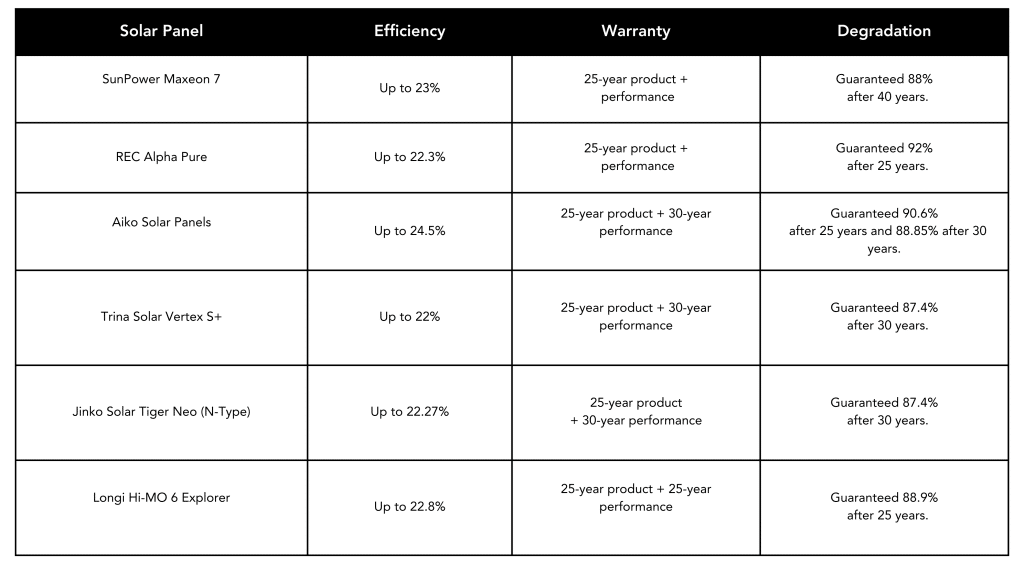
- Efficiency: Up to 23%
- Durability: Engineered to withstand extreme weather conditions with superior resistance to corrosion and breakage.
- Special Features: Features Maxeon Gen 7 solar cells, offering unmatched efficiency and minimal degradation over time. Known for its high performance in both high and low light conditions, making it suitable for various climates.
- Warranty: It has a leading 25-year warranty. It covers both products and performance. It ensures high energy production and peace of mind over the panel’s lifetime.
- Degradation: Guaranteed 88% after 40 years.
Trina Solar Vertex S+
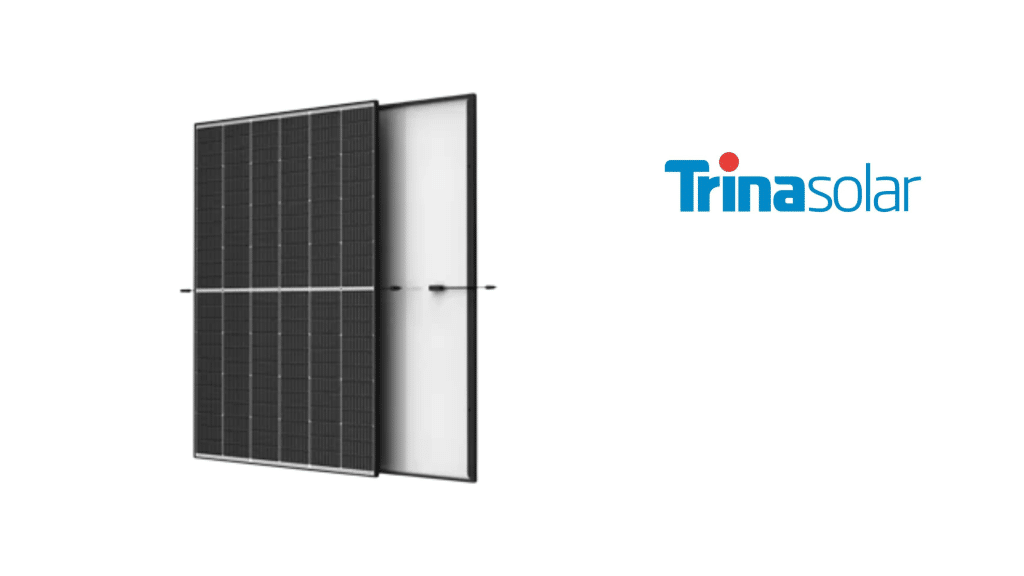
- Efficiency: Up to 22%
- Durability: It is designed for high performance and durability. It has excellent resistance to high temperatures and bad weather.
- Special Features: Utilises advanced multi-busbar technology to enhance light absorption and electrical performance. It is ideal for homes and businesses. This is because it is small and efficient.
- Warranty: It offers a 25-year product warranty. And a 30-year performance warranty. These ensure long-term reliability and sustained energy output.
- Degradation: Guaranteed 87.4% after 30 years.
REC Alpha Pure
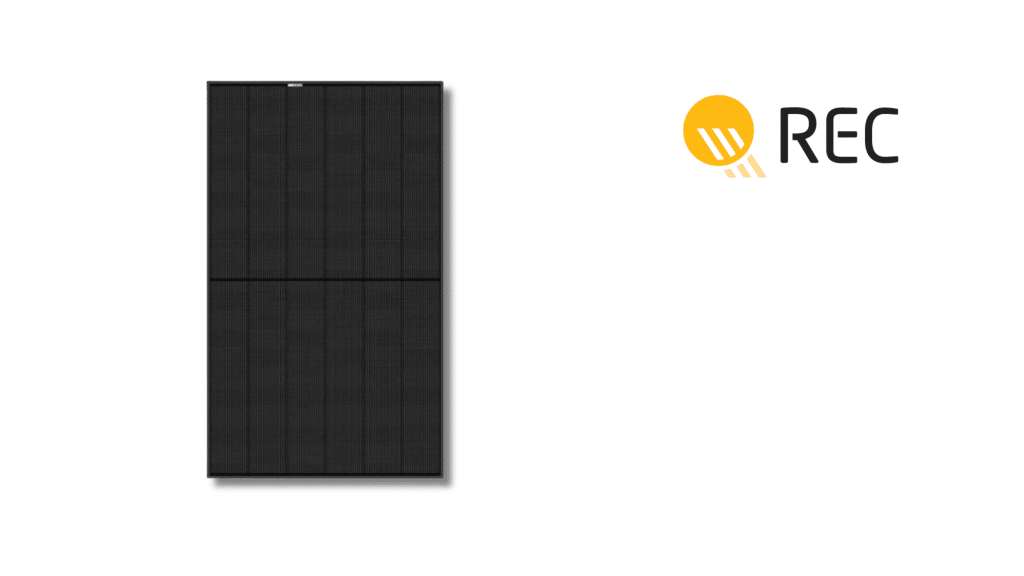
- Efficiency: Up to 22.3%
- Durability: Built to withstand harsh conditions with robust materials and a reinforced frame, ensuring longevity and consistent performance.
- Special Features: Features heterojunction cell technology (HJT) for higher efficiency and lower degradation rates. Environmentally friendly with a lead-free design.
- Warranty: It comes with a 25-year product warranty. It also has a 25-year performance warranty. They guarantee strong energy production and reliability over time.
- Degradation: Guaranteed 92% after 25 years.
Jinko Solar Tiger Neo (N-Type)
- Efficiency: Up to 22.27%
- Durability: Excellent resistance to potential induced degradation (PID) and enhanced performance in high-temperature environments.
- Special Features: Utilises N-Type cells which provide better efficiency, longer lifespan, and lower degradation rates compared to traditional P-Type cells. Ideal for both residential and commercial installations.
- Warranty: It comes with a 20-25 year product warranty. It also has a 30-year performance warranty. These warranties ensure long-term reliability and energy production.
- Degradation: Guaranteed 87.4% after 30 years.
Aiko Solar Panels
- Efficiency: Up to 24.5%
- Durability: Excellent resistance to potential induced degradation (PID) and robust performance in high-temperature environments.
- Special Features: Utilises advanced HJT (Heterojunction Technology) cells, which combine the advantages of crystalline silicon and thin-film technologies to achieve higher efficiency and lower degradation rates. Features half-cell technology, improving energy yield and minimising power loss.
- Warranty: It comes with a 15-year product warranty. It also has a 30-year performance warranty. These ensure long-term reliability and steady energy production.
- Degradation: Guaranteed 90.6% of initial performance after 25 years and 88.85% after 30 years.
Longi Hi-MO 6 Explorer LR5-54HTB
- Efficiency: Up to 22.8%
- Durability: High resistance to potential induced degradation (PID) and optimised performance in high-temperature environments.
- Special Features: Incorporates advanced PERC (Passivated Emitter Rear Cell) technology, enhancing efficiency and performance in low-light conditions. Features half-cut cell technology, reducing power loss and improving energy yield.
- Warranty: It offers a 12-year product warranty. It also has a 25-year performance warranty. They ensure reliable long-term performance.
- Degradation: Guaranteed 84.8% of initial performance after 25 years.
Country of Manufacture
When choosing solar panels, the country of manufacture can be important to some. Although many people hesitate when they hear “China,” it’s worth noting that most of our phones are made there, and we seldom question this.
Don’t get me wrong, supporting Australian-made products is important. But, they can be less affordable today in the global market. For Australian-made solar panels, Tindo Solar produces them locally in small quantities.
REC manufactures in Norway and Singapore.
SunPower Maxeon manufactures in Mexico, Malaysia, and the Philippines.
Longi, Aiko, Trina, and Jinko manufacture in China.
There are no extra benefits for where the solar panels are made. There is no better customer service or larger degree of quality between the solar panels. This really hinges on personal preference and the price tag.
Government Incentives and Rebates
NSW offers a solar rebate under the Small-scale Renewable Energy Scheme (SRES). This rebate works by awarding you STC’s for the amount of solar panels or size of the system you have installed. The greater the size of the solar system, the more STC’s you will earn. These STC’s have a dollar value of $38.50 per kilowatt. This is then subtracted from your end installation amount.
The distribution of STC incentives is set to cease by the end of 2030, with a gradual decline in the number of STCs awarded per kilowatt installed each year leading up to that point. Installing your system sooner rather than later ensures you can maximise the benefits derived from STCs before their value diminishes further.
Find out more about the solar rebate here
How to Choose the Right Solar Panel
Choosing the right solar panel involves several factors:
- Energy Needs: You need to determine your home or business’s energy use. This will let you find the size of the solar power system you need. An undersized system can’t cut electricity costs, making it a poor investment. Find out what size system you need here
- Budget: Balance the initial cost with long-term savings, efficiency, and government incentives.
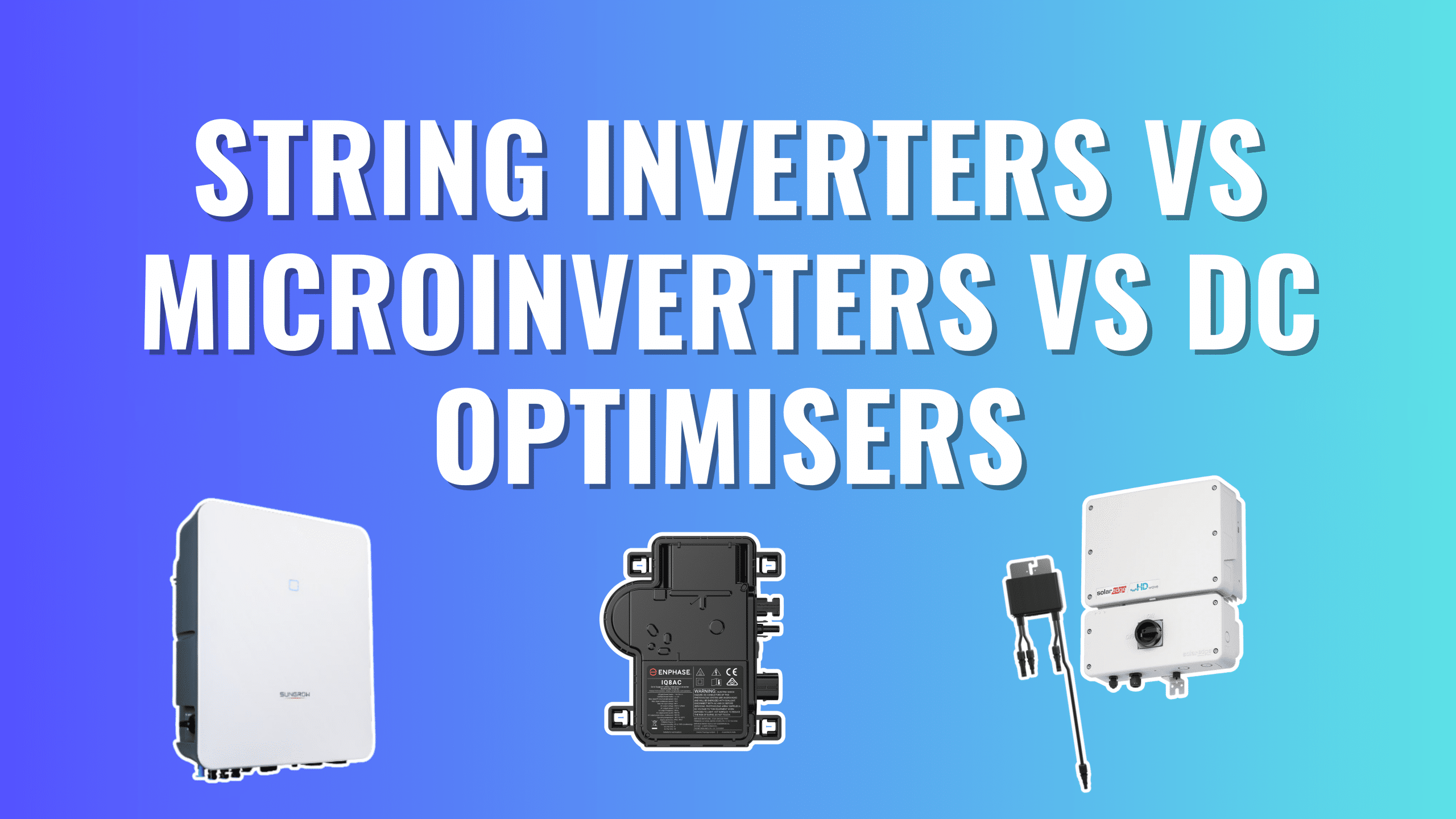
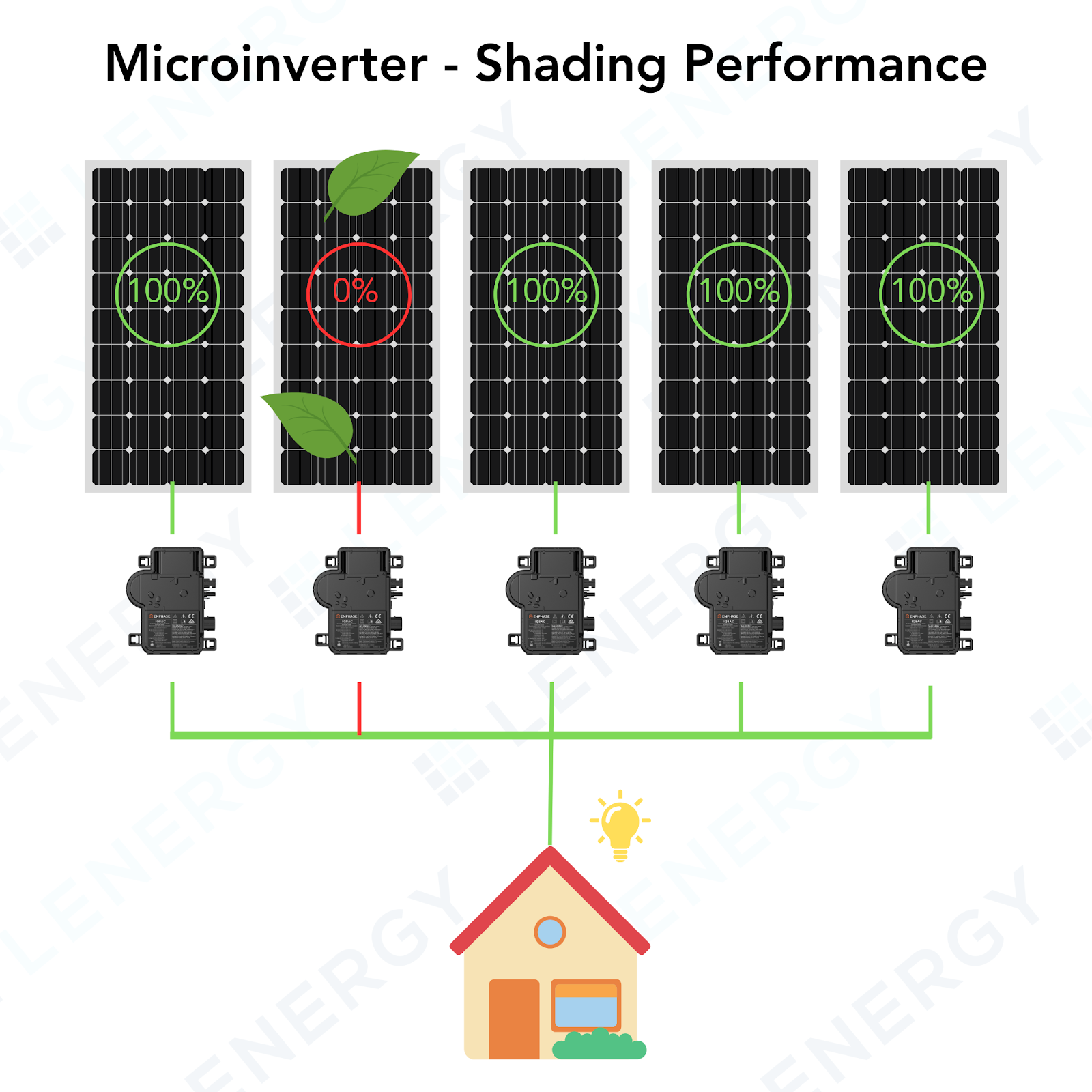
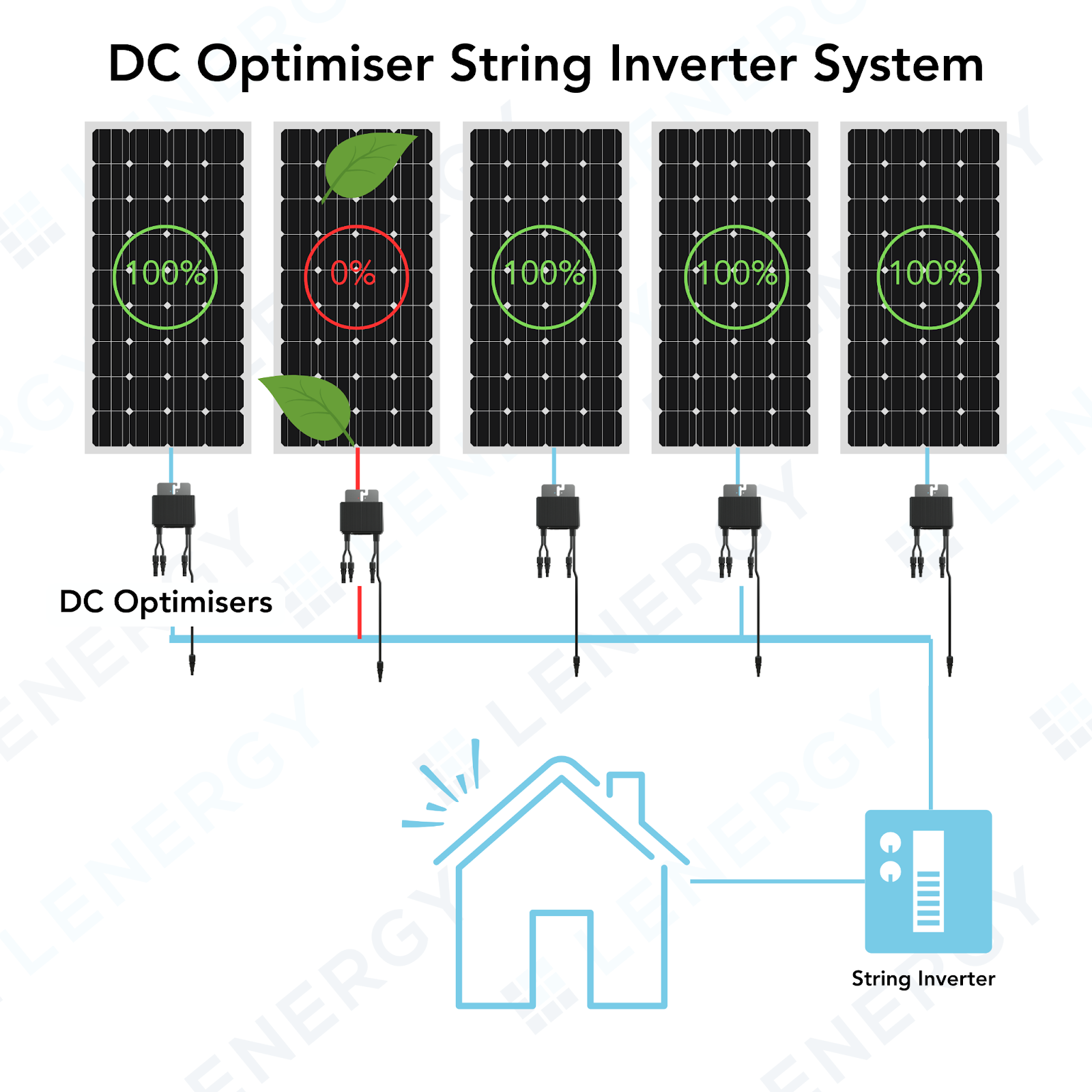
- Roof Space: Consider the available roof space and its orientation to ensure greatest sunlight exposure. If you experience shading or have a steep roof pitch, select the type of inverter that will optimise these conditions.
- Warranty and Support: Look for panels with strong warranties and reliable installer support. Nearly all top solar panels come with at least a 25-year product warranty.

Don’t Overthink It
The differences among solar panels are quite minimal, so choosing a cost-effective option won’t mean missing out on a lot of features.
From a quality and efficiency standpoint, there is nothing wrong with panels made in China. If your budget allows for other countries of manufacture, that’s great. However, don’t let the place of manufacture deter you from going solar.
Now, its time to consider your inverter type to match your solar panels : Microinverters vs String Inverters: Which Is The Best?