Best VPPs for Solar Batteries: Who They Suit, What They Pay, and What to Watch Out For
You got a solar battery to offset your night time usage and gain energy independence, with the recent changes in the Federal Battery Rebate and the new solar sharing scheme, being smart with how you use your battery is more important now than ever. Many new methods for maximising the value that you get from your battery are emerging such as Virtual Power Plants (VPPs), solar sharing, community batteries, and new ways of “participating in the energy market.” It all sounds promising — the idea that your stored solar could help power the neighbourhood or earn you credits through smart trading.
Are VPPs really about sharing power — or giving it away?
As the energy system shifts, so do the rules. Feed-in tariffs are shrinking. Retailers are offering new kinds of incentives, and suddenly, there’s more pressure than ever to hand over battery control in exchange for monthly payments and app-based promises.
At Lenergy, we believe in helping you understand what’s actually on offer — and what it means for your power, your battery, and your bottom line.
In this article, you’ll learn:
- What a VPP actually is
- Which batteries are compatible — and which programs are worth a look
- What you give up (and gain) by joining
- How VPPs compare to other battery strategies like force charging
- And how to decide what level of grid participation is right for you
What Is a Virtual Power Plant (VPP)?
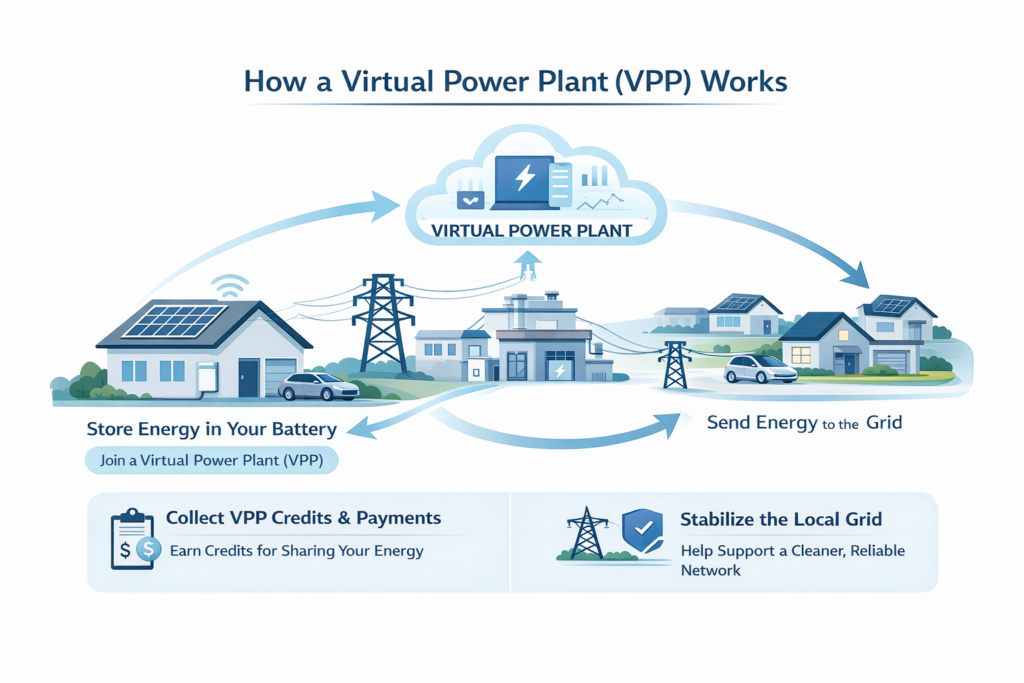
A Virtual Power Plant (VPP) is a network of solar and battery systems coordinated by a central operator — often an energy retailer — to help balance the electricity grid. When energy demand surges or the grid needs support, the VPP can tap into its members’ stored battery power to discharge energy back into the grid, usually in exchange for some form of payment or credit. Read more about VPP’s in our recent article How Does A Virtual Power Plant (VPP) Work?
On the surface, it sounds like a win-win: your battery gets put to work when it’s needed most, and you’re rewarded for contributing. However, they are not for everyone. They work your battery harder, surrender some of your control to the energy retailer and can require some work to set up.
The level of control you surrender depends entirely on the program. Some VPPs allow you to set usage limits or reserve a portion of your battery for personal use. Others may take full control during peak events or maintain access at all times. Some let you opt in or out of specific events — others don’t.
Not all VPPs are created equal, and the difference between them can have a real impact on your savings, backup protection, and peace of mind.
How Do VPPs Work With Solar Batteries?
When you join a Virtual Power Plant, your solar battery becomes part of a distributed energy resource — meaning it’s not just powering your home anymore, it’s also helping to support the wider grid.
Here’s what typically happens behind the scenes:
- Your battery charges during the day using excess solar energy from your rooftop panels.
- The VPP monitors grid conditions in real time. When demand is high, the VPP operator can remotely discharge power from your battery back into the grid.
- You receive compensation for this contribution, which may come as a flat payment, usage-based credit, or time-based reward, depending on the plan.
Some VPPs allow you to set a reserve limit, or opt in or out of specific events. Others may maintain access to your battery at all times, regardless of your preferences.
What That Actually Looks Like in Real Plans
Here are some real-world examples that show how much control different VPPs give you:
VPPs That Let You Keep Some Control
- Amber: Amber’s model allows users to keep high levels of battery control, including reserve settings.
- Nectr VPP: Nectr gives you the option to set a battery reserve limit (e.g. 20% state of charge), ensuring part of your battery is kept for your own use.
- Plans with kWh limits: Some VPPs cap the amount of energy they can access from your battery over a year. This provides predictability and avoids excessive discharging. Specific plans vary by state and battery model.
VPPs Where the Operator Has More Control
- AGL Bring Your Own Battery: AGL’s VPP terms give AGL full access to your battery during grid events. There is less flexibility for opting out of events or setting strict reserve levels. Learn more
- Origin Loop: Origin’s Loop plan allows them to dispatch your battery during events to support the grid. The terms vary depending on the battery brand and plan, and reserve settings may not be guaranteed. Learn more
- EnergyAustralia: Designed to give the operator control over battery output during peak periods to stabilise the grid. Battery discharge events are not user-controlled. Learn more
That’s why reading the fine print matters. VPPs fundamentally change how your battery is used — and who it’s used for.
Pros and Cons of Joining a VPP
Pros
- Extra income or bill credits from solar exports for participation
- Grid support and contribution to a cleaner, more stable energy system
- Smart monitoring apps that help you track performance and optimise usage
- Eligibility for certain battery rebates that are contingent on a VPP in some states (NSW, WA, & SA)
Cons
- Loss of control over when and how your battery is used
- Increased wear and tear from more frequent charging and discharging
- Retailer lock-in that may limit your plan choices or flexibility
- Unclear returns that depend heavily on usage patterns and program terms
A good VPP can add value, but only if the terms suit your household’s needs.
Which Solar Batteries Are VPP-Ready in Australia?
Not every solar battery can be used in a Virtual Power Plant. Your system needs to be compatible with the VPP provider’s software and control requirements. Below are some commonly supported batteries:
| Battery Brand | Models Commonly VPP-Ready |
| Sigenergy | SigenStor |
| Tesla | Powerwall 2, Powerwall 3 |
| Sonnen | eco, hybrid, sonnenBatterie Evo |
| Alpha ESS | Smile5, Smile T10, Storion series |
| Enphase | Enphase IQ Battery |
| BYD | HVS, HVM (with Fronius/SMA) |
| SolarEdge | SolarEdge Energy Bank |
| Redback | Smart Hybrid System |
| Eguana | Evolve |
| Sungrow | SBR096/SBR128 (with Hybrid Inverter) |
| LG Chem | RESU10/13 (with compatible hybrid inverters) |
| Senec | SENEC.Home |
| GoodWe | Lynx Home F/H (with GoodWe Hybrid Inverter) |
Always check with the VPP provider or your installer to confirm compatibility. If you don’t have a battery yet and are still deciding which one is right for you, check out our article “5 Tips For Choosing The Right Battery For Your Home.”
VPP Comparison Table: What They Pay, What They Require, and Who They Suit
| VPP Provider | Batteries Approved for Use | Incentive / Payment Notes | Key Eligibility / Notes |
| Amber (for batteries) | Multiple brands incl. Tesla, AlphaESS, Sungrow, GoodWe, Sigenergy | No direct subsidy from Amber; access to state VPP-linked rebates | Wide compatibility; varies by state |
| Origin Battery Lite | Tesla, LG, SolarEdge | Signup credits, plus ongoing event credits | Requires Origin electricity plan |
| AGL Bring Your Own Battery | AlphaESS, Sungrow, Sigenergy, Empower, Tesla PW2/PW3 | Per-event payments or plan-linked incentives | Must be an AGL customer |
| ENGIE VPP Advantage | Tesla Powerwall only | Export payments linked to ENGIE electricity plan | Tesla-only compatibility |
| ShineHub | GoodWe, Sungrow, AlphaESS, Growatt, LG, Hive | Export bonus schemes and bill credits | Often bundled with installation |
| Diamond Energy WATTBANK | SolaX, Triple Power | Bill credits and plan bonuses | Bundled with energy plan |
| GloBird ZeroHero-C | Tesla, Alpha ESS, Redback, others | 3-hour free energy window daily | Technically a VPP, but user retains control |
| Synergy Battery Rewards (WA) | Varies (state rebate-linked batteries) | Up to $130/kWh rebate (capped) | WA only |
| Plico Energy VPP | LAVO | Brand-specific incentives | Plico installation required |
Note: Always review the provider’s website for the most up-to-date program conditions, payment models, and control terms.
VPPs vs Solar Sharing Plans with Free Energy Windows
As VPPs become more common, a newer breed of energy plan is also emerging — ones that offer free daily electricity windows to encourage smarter battery use. Some of these plans are part of broader VPP arrangements, while others give you more control over when and how your battery charges.
These are a part of the government’s solar sharing scheme and they’re changing the game for households who want to use their battery more effectively — especially if your solar system doesn’t fully charge your battery every day.
What Are Free Energy Window Plans?
These plans offer three hours of free electricity from the grid every day. You can set your battery to force-charge during that window — even if your solar isn’t producing — and then use that stored energy during expensive peak times.
Two examples currently available in Australia:
| Retailer | Plan Name | Free Charging Window | Battery Control | VPP Participation? |
| GloBird Energy | ZeroHero-C | 3-hour fixed window (late morning to early afternoon) | You control when to charge | Yes — technically a VPP, but no forced discharge |
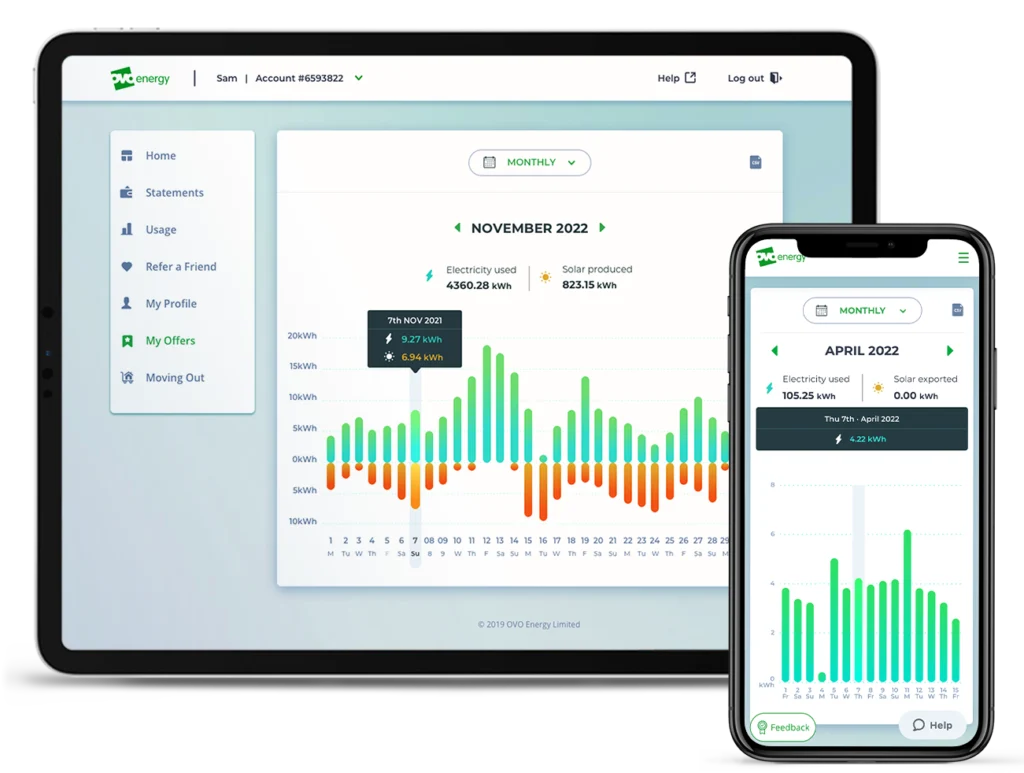
| OVO Energy | The Free 3 Plan | Customisable 3-hour daily window | You control charging and discharging | No |
These plans are designed to reward customers for shifting their energy use. They still support grid stability, but in a way that gives you more autonomy than many traditional VPPs.
VPPs vs Free Energy Plans — A Quick Comparison
| Feature | Free Energy Plans | Traditional VPPs |
| Charging Source | Grid (during free window) | Solar only (usually) |
| Battery Control | User-controlled | VPP operator-controlled |
| Goal | Shift grid load via user habits | Grid stability via coordinated discharge |
| Financial Model | Saves money by avoiding peak rates | Earns income through grid support |
| Flexibility | High | Varies (some lock-in) |
| Best For | Homes with low solar output | Homes with large solar surplus |
These plans offer an alternative way to get more out of your battery — especially if you value predictability and control.
Thinking of Joining a VPP? Here Are a Few Things to Keep in Mind
Virtual Power Plants can offer great benefits — especially for homes with large batteries and plenty of excess solar. However, that doesn’t mean they suit everyone. If you’re on the fence, these tips will help you assess whether a VPP aligns with your setup and priorities.
Value Battery Control? Read the Fine Print
Some VPPs let you keep a portion of your battery reserved for personal use. Others may discharge your battery at any time, including when you’d rather keep it full. If maintaining full control or backup power is important to you, check the program’s control settings carefully.
Limited Solar Generation? Consider Other Options
If your battery rarely fills because of system size, shade, or high daytime usage, there may not be much surplus to offer a VPP. In this case, a plan like OVO’s or GloBird’s 3-hour free energy option might offer better value — letting you charge from the grid when solar falls short.
Watch for Lock-Ins with Retailers
Most VPPs are tied to a specific electricity provider. That means you may lose access to the program (or get hit with exit fees) if you decide to switch plans. If flexibility matters to you, weigh this carefully.
Understand the Real-World Returns
VPP marketing often highlights earnings potential, but in practice, returns are usually modest — often between $100–$200 a year, depending on your usage, battery size, and the plan’s structure. Make sure you’re comfortable with the trade-off between control and financial gain.
Prefer Simplicity? Go with Something More Predictable
VPPs can involve software setups, app monitoring, and participation in grid events. If you want something more hands-off, a straightforward energy plan with free off-peak charging may suit you better — no events, no control surrender, just simple savings.
Check Availability and Compatibility First
Not all VPPs are available in all regions, and not all batteries are supported. Before going too far down the path, check that your equipment, location, and energy plan are eligible for the program you’re considering.
A good VPP can make a lot of sense — but only if the terms align with your goals and comfort level. If not, there are other ways to maximise your battery’s value without giving up control.
Are VPPs Worth It?
Virtual Power Plants are one of the most promising developments in the home energy space, however, they are new and constantly evolving in how they function. When the fit is right, they can help you earn extra value from your battery, support the grid, and participate in a smarter energy future.
They are by no means a must-do for every homeowner. If your battery rarely fills, if you value full control, or if you’re already seeing strong savings through a free charging plan, a VPP might not add much — and could even work against your goals.
The good news is that you have options.
You can:
- Join a VPP that gives you flexible control
- Stick with a simple plan that rewards smart charging habits
- Or hold off for now and reassess as your usage or tech evolves
The key is understanding how these programs work — and what trade-offs they involve. If you want to speak to an expert on whether a VPP could make getting a battery a viable option for you, reach out to us at Lenergy.