

Reliable Off-Grid Power in Kangaroo Valley
Reliable off-grid power is one of the most important aspects of survival for living in rural Australia.
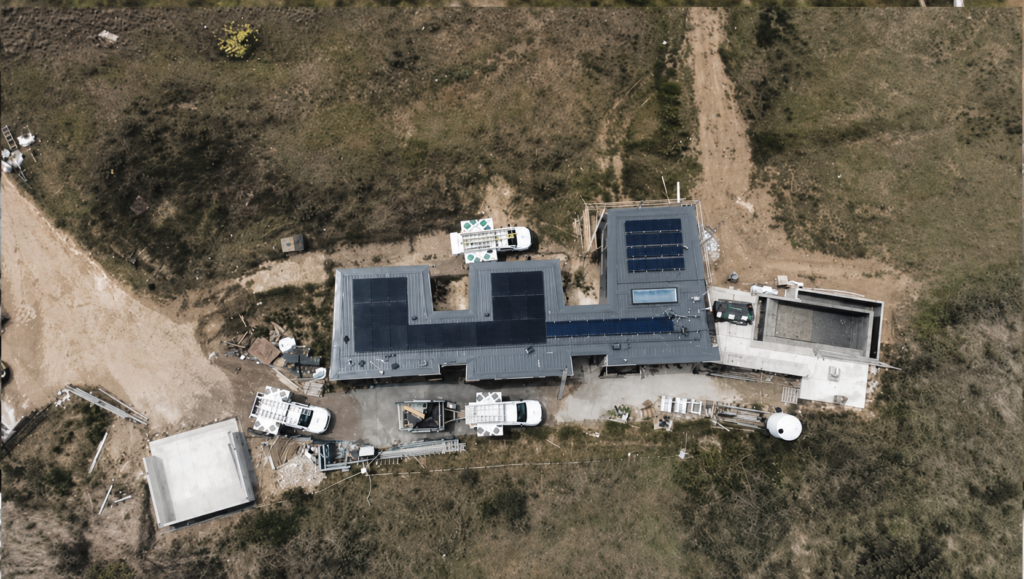
Recently we installed a 17 kW solar system with 40 kWh of battery storage on a property in the hills above Kangaroo Valley. Fully off-grid. No poles, no wires, no retailer.
This article walks through that job, and through what it actually takes to make off-grid solar reliable enough to live on all year.
Here is what the job involved:
- Why this property went off-grid in the first place
- The system we installed, spec by spec
- Why we rebuilt work that was already half done
- What makes an off-grid system reliable, and when it does not stack up
Why go off-grid instead of connecting to the grid?
For a lot of rural blocks, the grid is the expensive option.
Running new poles and wires out to a remote property can cost tens of thousands of dollars, and on longer runs it climbs past $50,000. You pay that once. Then you keep paying network charges and retail rates forever after.
Off-grid changes the maths. You spend that money on your own generation and storage instead of renting your electricity from someone else. No network charges. No rate rises. No outage because a storm dropped a line twenty kilometres away.
What is in the Kangaroo Valley system?
The setup is straightforward once it is laid out.
- 17 kW solar array
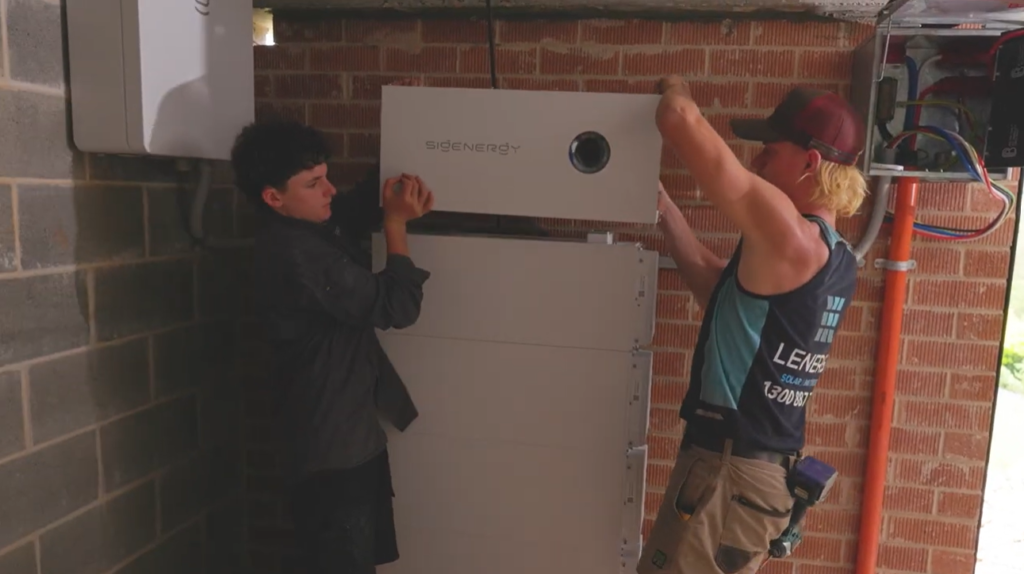
- Sigenergy SigenStor, 40 kWh of battery storage
- 12 kW single-phase inverter
- Gateway tied into the main switchboard
In the plant room, the solar DC cables run through the wall, along the concrete ceiling, and down into the inverter. The battery modules stack underneath it. The gateway then links the inverter to the main switchboard so the house draws from solar first and the batteries overnight.
Why did we rebuild work that was already done?
Because it had not been completed and not all of it was up to standard.
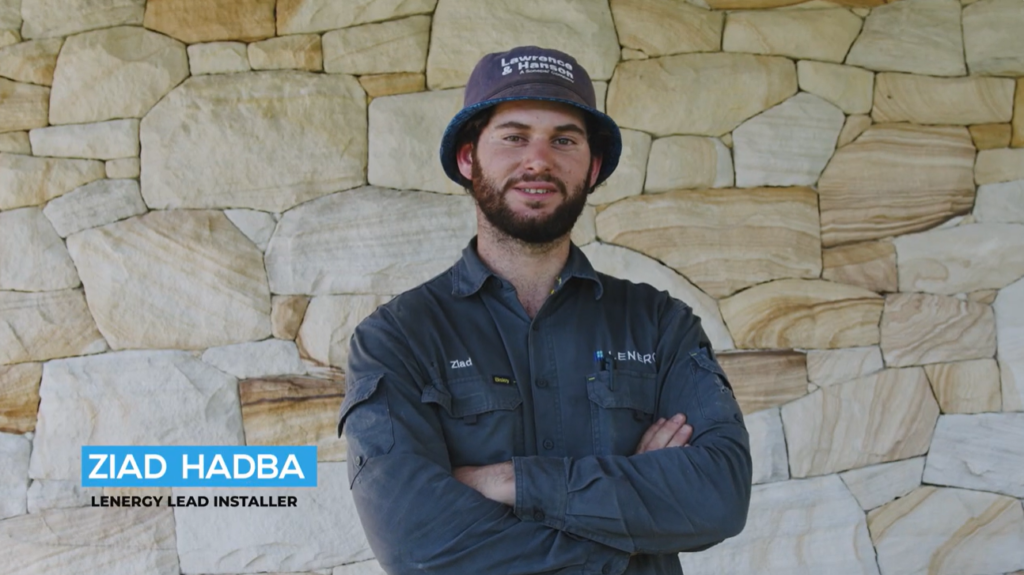
The install was half finished by a previous installer when we were called in. Ziad, our lead installer, took the team back through the existing work and brought it up to current Australian standards before finishing the job.
What makes an off-grid system reliable?
Four things, mostly.
A real load assessment, not a guess. Daily kWh use and peak simultaneous loads, measured properly.
Sizing for the worst month of the year rather than the average one.
Enough storage to ride out a run of poor weather. One to three days of autonomy is the usual target for a residential off-grid solar installation.
Compliance with AS/NZS 4509, the Australian standard for stand-alone power systems.
Most off-grid homes still keep a backup generator. In a well-sized system it barely runs.
Is off-grid right for your property?
Sometimes, for some homes, it does not make financial sense.
If there is already a grid connection at your fence, staying connected with solar and a battery is usually cheaper and simpler. Off-grid earns its keep when the connection quote is high, the supply is unreliable, or you want out of the retail market entirely.
Federal STCs still apply to the solar on most stand-alone systems, and the battery may qualify for the Cheaper Home Batteries Program.
Read next: 5 Things To Do If You Are Considering Solar.
Frequently Asked Questions
How much does an off-grid solar and battery system cost in Kangaroo Valley?
It depends on how much power the property uses and how much autonomy you want. The honest answer is that off-grid pricing is driven by your load, not your roof size, which is why the assessment comes before the quote.
What size solar and battery system do I need for a rural property in NSW?
A family home off-grid commonly lands somewhere around 8 to 15 kW of solar with 30 to 50 kWh of storage. The Kangaroo Valley property sits above that at 17 kW and 40 kWh. Small cabins need far less.
Is off-grid solar reliable enough for full-time living in Kangaroo Valley?
Yes, when it is sized and installed properly. That is the whole condition. A correctly designed system runs the house day and night through winter with the generator sitting idle most of the year.

