Author: Donna Wentworth

How Much Do Solar Panels Cost in 2025?

You’re exploring the possibility of installing a solar system to reduce your electricity bills. As you dive in, you quickly realise there are countless options, brands, and, most importantly, varying prices. Navigating this landscape can be overwhelming, especially when you’re trying to make a cost-effective and informed decision.

In this article, you’ll learn about the factors influencing solar panel prices in 2025, the average costs you can expect, and tips for finding quality installers. By the end, you’ll have a clearer understanding of the solar market, helping you make a well-informed investment that maximises your savings and boosts your home’s energy efficiency.

Pricing Factors For Solar Installations

Determining an exact price for your solar installation can be challenging without a comprehensive understanding of your needs and site specifics. Several factors can influence the cost, including system size, product selection, roof layout, phase type, shading, to name a few.

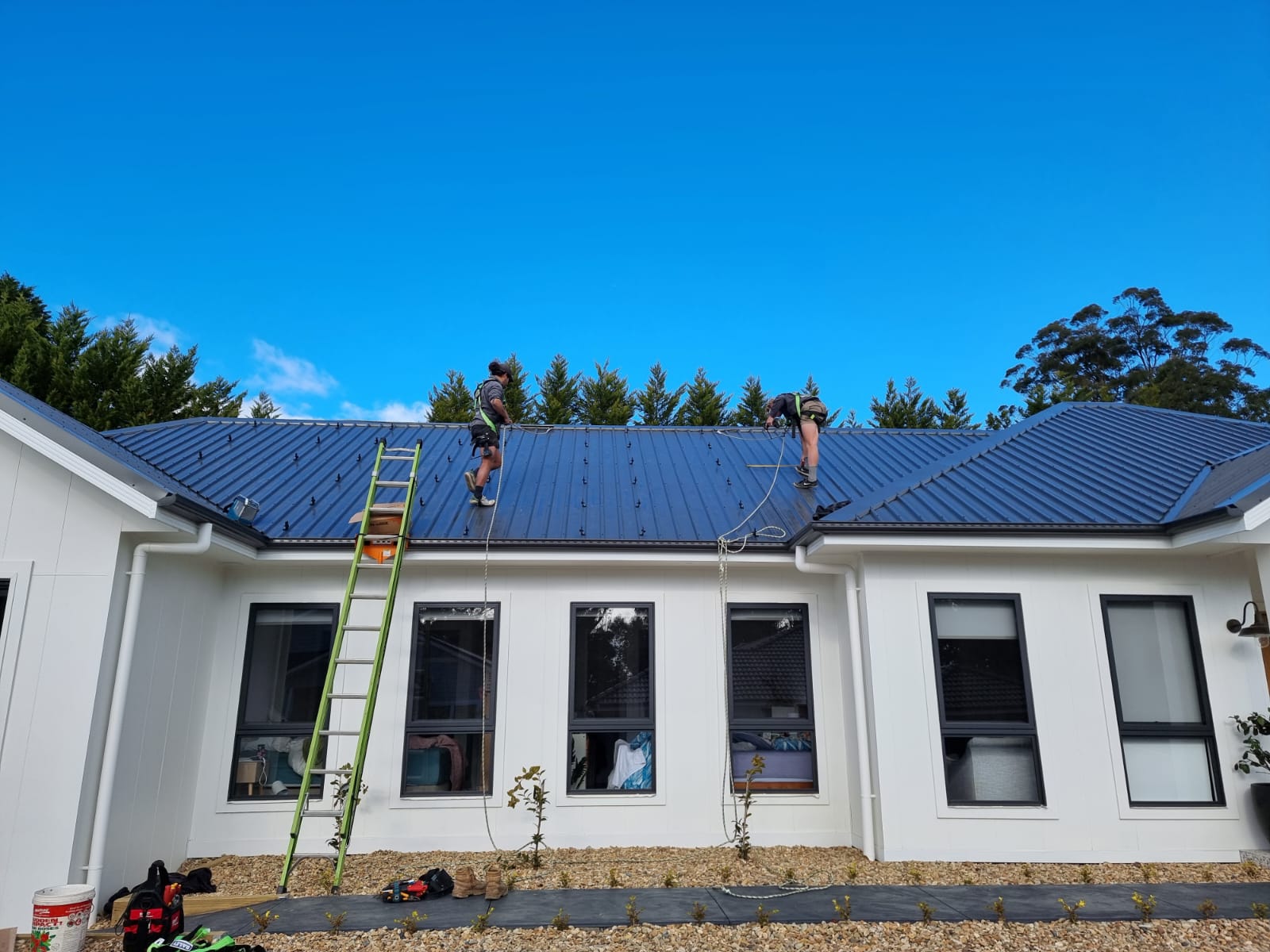
For instance, if your roof layout is more complex or requires a different panel arrangement, installation may take longer and increase the overall price. Additionally, if your property is affected by shading, you would benefit the most from a microinverter system, which tends to be more expensive than a traditional string inverter system. For more information on shading head to our blog on Microinverters vs String inverters.

how much do solar panels cost
Microinverter System By Enphase

Solar System Size:

The size of the system you need significantly impacts the price. If the system size isn’t matched to your electricity usage, it may not make a noticeable difference in your bills. You might have seen solar panel systems advertised for $2,000 to $3,000 on social media or TV.

These low prices can be enticing, especially if you’re eager to reduce your energy costs. However, while it is possible to find solar installations in this price range, they might not lead to any substantial savings.

A system that costs around $3,000 is likely to be smaller and less powerful. If it’s not appropriately sized to meet your energy needs, the savings on your electricity bills may be minimal. Essentially, you could end up investing in a system that doesn’t provide a significant return on investment.

Typically a good quality solar panel installation will be:

– 6.6kW system between $6,000 and $9,000.
– 10kW system between $8,000 and $14,000.
– 13kW system between $9,000 and $16,000.

For more information on how to determine your system size see our article here

Which Solar Products You Choose:

The variety of solar panels, inverters, and solar brands available can be overwhelming, with options like Jinko, REC, Trina, SunPower, Fronius, Sungrow, Enphase, and SolarEdge…the list goes on. Despite the extensive selection, most of these products perform similarly, with only minor differences.

Prices often reflect the country of manufacture, which is interesting considering we rarely question where our phones, computers, TVs, or fridges are made. Hint: it’s China. To make things a little easier we have an article comparing the best solar panels for 2024.

Phase Type At The Property:

Homes throughout Australia vary in terms of their electrical supply, which can either be single, dual, or three phase. Without bogging you down in the electrically technical side of things, the more phases a property has, the more power can be consumed from the grid and vice versa, the more power can be exported to the grid.

This difference in electrical supply will dictate whether a single phase or three phase inverter is to be installed. A three phase inverter and cabling is slightly more expensive than the single phase alternative. With dual phase properties, it may also be required to install two single phase inverters with one inverter on each phase, which does increase the overall system cost but is ideal to ensure the solar system produces power equally across phases. 

Your Roof Layout

Roof layout will play a key role in the price of your solar installation as the more complex the panel layout needs to be, the more expensive it will be. This complexity also determines whether you need a microinverter system or a string inverter system, as most string inverters come with 2 inputs, known as MPPT’s, two different facing rooftops can be utilised, whereas microinverters offer greater flexibility of design as each individual microinverter operates independently of one another.

An ideal install type would allow for a straightforward panel layout, with all panels installed as one array, a single story home, on a regular 25-degree pitch, and facing north. This would mean the panels can easily be installed together, with a cost effective string inverter and will maximise sunlight exposure and efficiency.

If your roof lacks adequate space and panels need to be spread out due to peaks or skylights, the panels may need to be separated into multiple arrays, leading to a slightly longer installation period with multiple roof penetrations, which ultimately increases the price.

Our solar packages include a “starting from” price, which is based on a straightforward roof layout, single-phase system, and low degree of pitch (25 degrees). These prices are realistic and provide a baseline for simpler installations.

how much do solar panels cost
Common Roof Types – Source Homedit.com

Your Roof Pitch:

Roof pitch is another determining factor with the price of your solar installation. The roof pitch is the angle or steepness of a roof. It’s important for things like draining rainwater, how the roof looks and its structural integrity.

A good quality installer will have assessed the roof pitch prior to quoting to ensure adequate access to safely and efficiently install your solar panel system. The steeper the angle of your roof, the harder it is to install safely and as such the longer it takes to install. As you could imagine, walking on a 35 degree pitched roof would be considerably more challenging than a flat roof.

Single Or Two Story:

As briefly touched on earlier, a single story home will not add another level (pun intended) of cost for your solar installation. However, if you have a two-storey home, more equipment is needed to safely access the roof, adding complexity and increasing the overall cost for the installation team.

Tin or Tile Roof:

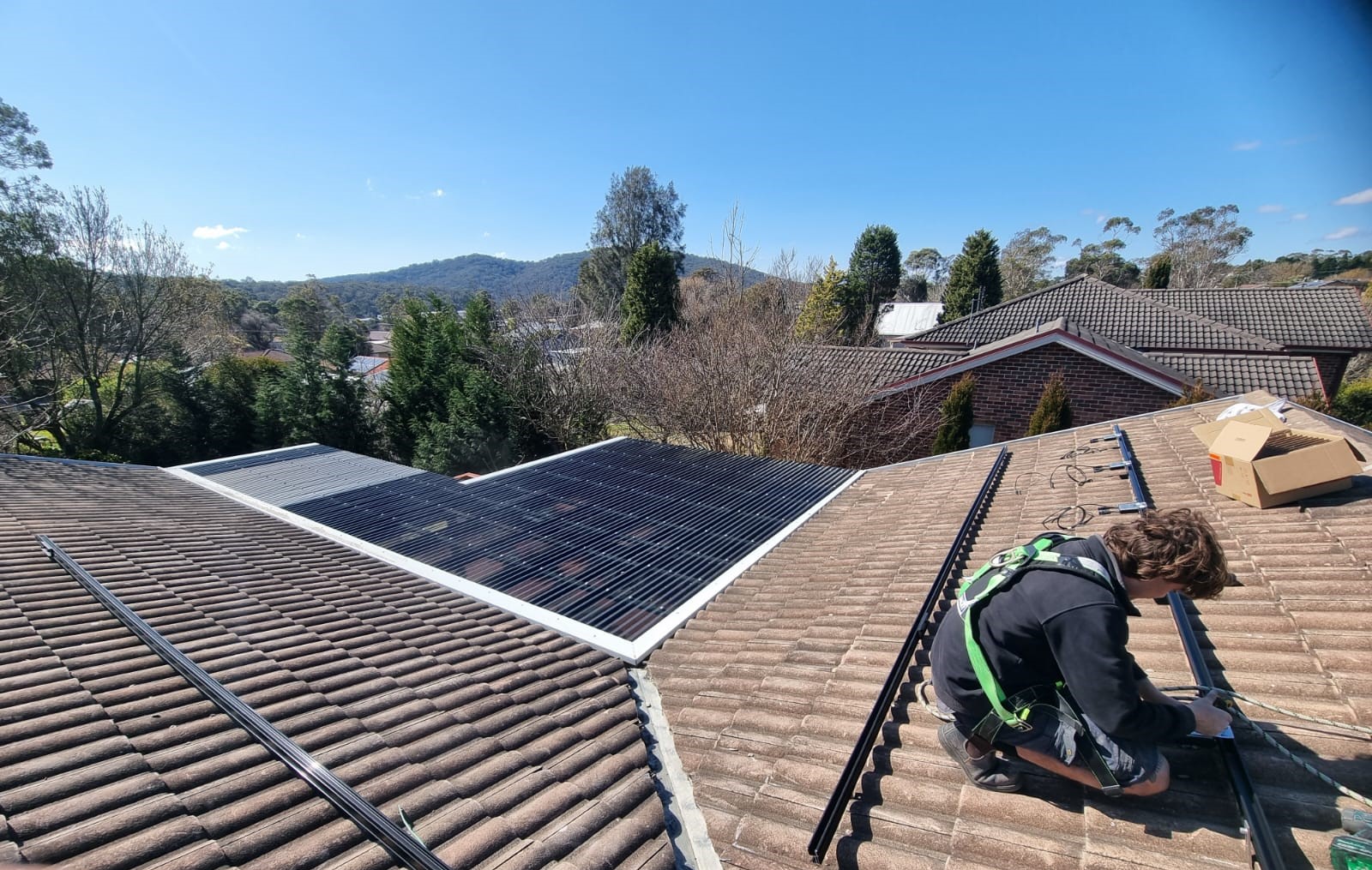
Installing solar panels on a tin roof is much simpler compared to a tile roof. Tin roofs do not require modification for the installation. In contrast, tile roofs require individual tiles to be ground down to accommodate the solar racking, making the installation process more complex and time-consuming. 

There are various types of tiles, each with its own challenges. For example, French terracotta tiles are relatively easy to work with but can disintegrate due to their age. Shingle ceramic tiles are generally more robust but require each tile to be removed and brought down to ground level for modification.

how much do solar panels cost
Solar Installation By Lenergy

Raked Ceilings:

Raked ceilings, while visually stunning, can limit solar installation due to the reduced internal roof space. Typically, conduits encasing the cabling are run through the roof space or, if there’s room, just underneath the roof sheets.
For a high-quality installation, these conduits should be hidden within the roof cavity. This approach not only prevents unsightly visible conduits but also ensures the safest installation method. 

With string inverters, extra care needs to be taken when installing DC cabling from the panels to the inverter. This high voltage cabling comes with much greater regulation and stricter rules which may require the installation of steel conduit in sections where sufficient clearance is not possible from the cabling. 

how much do solar panels cost
Solar Installation By Lenergy

Wi-Fi:

Wi-Fi is essential for monitoring your solar system. If your system is installed in an area with insufficient Wi-Fi coverage, such as a shed or the back of the house, you won’t be able to connect and monitor your investment to ensure it is functioning properly. This would increase the installation cost, as a Wi-Fi booster may be needed, either provided by you or installed by the solar installer. 

In-house Solar Installers Or Subcontractors

Perhaps, you’re now wondering, is it better to hire in-house or are subcontractors just as good? Well, it’s a bit more complicated than that.

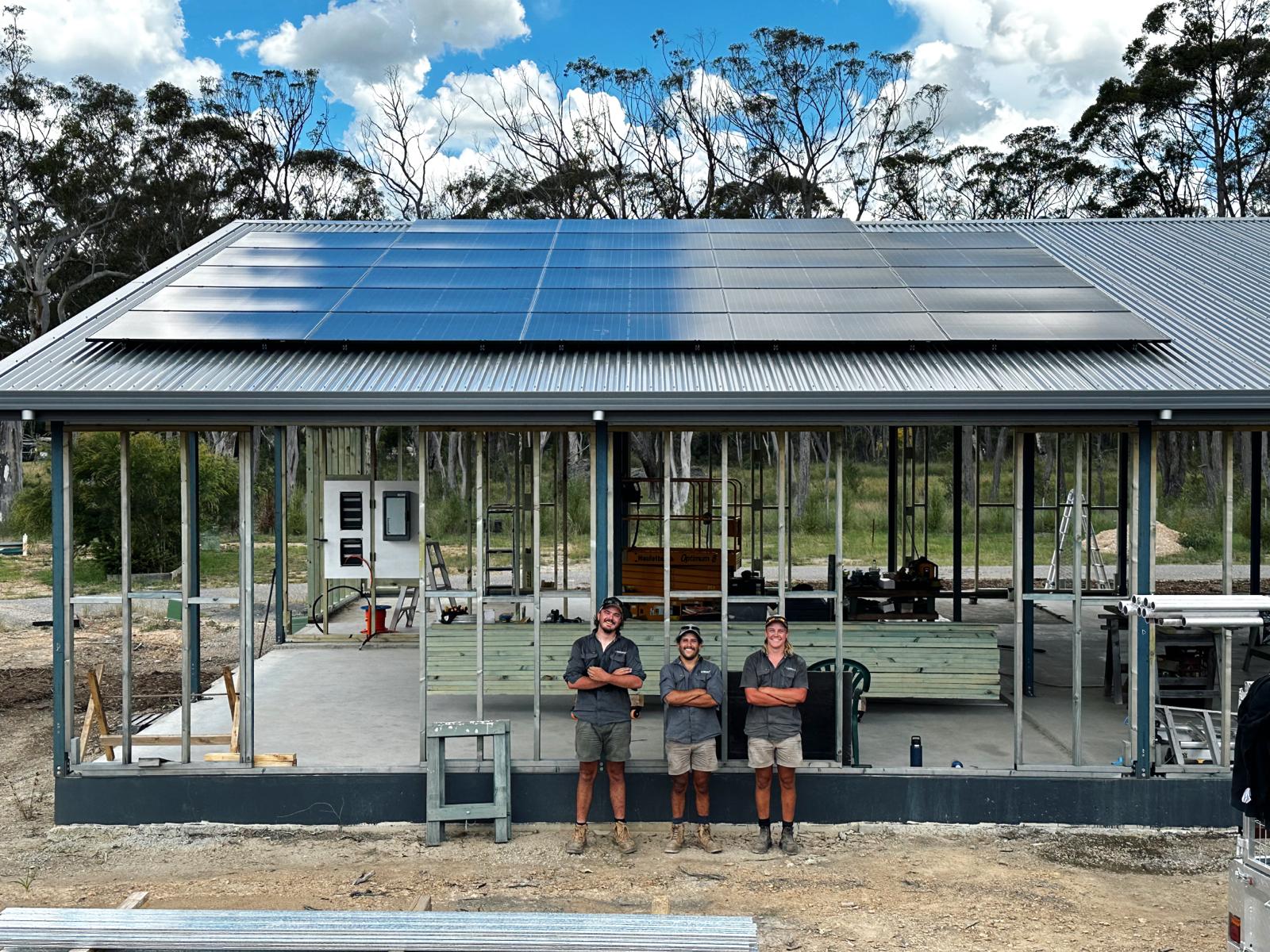
Some solar companies outsource the labour to subcontractors. While this isn’t necessarily a bad practice, it can be a bit of a gamble. The quality of subcontractors can vary greatly; some are excellent, while others may not meet the same standards. Quality control can be inconsistent compared to companies that invest in in-house installation teams. 

Additionally, subcontractors are often paid per job (on a cost per kW basis), which might lead them to complete the work very quickly, potentially compromising on quality and cutting corners. 

Head to our article Subcontractors vs In-house Solar Installers for more information on what we think of this topic.

STC’s (Government Solar Rebate)

You may have noticed that some solar packages only have slight price variations, which is due to how STCs (Small-scale Technology Certificates) are allocated. These STCs are awarded based on the system size, or the number of panels. For instance, a 15-panel system might receive $2,425.50 in STCs, while a 17-panel system could be awarded $2,579.50 in STCs. The difference between these allocations is only $154. 

how much do solar panels cost
Solar Installation By Lenergy

There Is No One Size Fits All

Why does one company charge more than another? While we can’t speak for each company’s pricing, we can shed light on possible reasons. A reputable installer considers multiple factors and understands that every situation is unique, ensuring a tailored approach rather than a one-size-fits-all solution.

This information will help you better understand how solar panels are priced and how to select a reputable installer. Ultimately, it’s about identifying what you want from your solar installation and the results you aim to achieve.

Next we recommend you decide on what inverter you would like to pair with your solar panels: String Inverters vs Microinverters vs DC Optimisers

Microinverters vs DC Optimisers: Which is Right For You

When evaluating a solar power system for your home or business, choosing the right components can seem overwhelming. Two leading options for managing the energy output from your panels are microinverters and DC optimisers.

Both systems offer unique advantages and potential drawbacks, and understanding these differences is key to making an informed decision that maximises your system’s efficiency and value.

With extensive experience in solar energy solutions, at Lenergy, we aim to provide clear, unbiased insights to guide your choice.

In this article, we’ll explore the differences between microinverters and DC optimisers, compare their performance and costs, and help you determine which option might be best suited to your specific needs.

Efficiency and Performance Comparison:

When Microinverters Are the Better Choice
Microinverters are small devices mounted directly on each solar panel, converting DC to AC right at the source. This approach ensures that each panel operates independently, which is especially beneficial in installations with varying shading or orientations. The AC wiring used in microinverter systems is generally simpler and safer than high-voltage DC wiring, reducing safety risks.

Microinverters excel at optimizing individual panel performance, leading to higher energy yields, particularly in shading or dirty conditions. They also feature advanced monitoring capabilities, allowing you to track the performance of each panel in real-time—making it easier to identify and resolve issues quickly.

Overall, microinverters offer a compact, efficient solution that maximizes energy production at the panel level.

The downside? They tend to be more costly upfront compared to central inverters or DC optimisers.

microinverters vs dc optimisers

When DC Optimisers Are The Better Choice
DC optimisers are devices attached to each solar panel that improve the efficiency of the system by conditioning the output before sending it to a central inverter. While they don’t convert DC to AC at the panel, they optimize performance at the panel level, mitigating the effects of shading and mismatched panels.

This panel-level optimisation ensures each panel contributes its maximum power, boosting overall system performance—especially in conditions with intermittent shading or uneven panel orientations. The system then combines the power and converts it at a single, high-capacity central inverter, often resulting in lower initial costs compared to microinverters.

Limitations: If the central inverter fails, the entire system is affected. Also, in complex roof designs or heavily shaded environments, DC optimisers may not perform as well as microinverters.

microinverters vs dc optimisers

Microinverter VS DC Optimiser, Comparative Analysis

  • Shading and Orientation: Microinverters generally perform better in installations with significant shading or varying panel orientations. Their independent operation ensures that one panel’s issues don’t affect the others.
  • Energy Yield: Both systems can increase energy yield compared to traditional string inverters, but microinverters tend to provide a slight edge in scenarios with partial shading or complex installations.
  • Monitoring and Maintenance: Microinverters offer superior monitoring capabilities, making it easier to pinpoint and address specific panel issues. DC optimisers also offer panel-level monitoring but are dependent on the central inverter for overall system performance.
  • Cost Efficiency: DC optimisers typically have a lower initial cost than microinverters, which can be a deciding factor for budget-conscious installations. However, the higher efficiency and energy yield of microinverters can offset the initial investment over time.
  • Safety: Microinverters offer safer installation and maintenance conditions by using lower voltage AC wiring throughout the system. DC optimisers use higher voltage DC wiring, which can pose greater safety risks.
Graphic Image Created By Lenergy


When Microinverters Are The Better Choice

Microinverters
Microinverters are particularly well-suited for certain types of installations and conditions.
Here are some scenarios where microinverters might be the better choice:

Complex Roof Designs:

  • Varied Orientations: If your roof has multiple angles or orientations, micro inverters can optimise each panel individually, ensuring maximum energy production regardless of the panel’s position.
  • Shading Issues: In environments where shading from trees, chimneys, or other buildings is a concern, microinverters allow each panel to function independently, minimising the impact of shading on the overall system performance.

Smaller Installations:

  • Limited Space: For smaller installations where every panel counts, microinverters can maximise the efficiency of each panel, making the most out of limited space.
  • Future Expansion: Microinverters make it easier to expand your solar system in the future. You can add more panels without worrying about matching the string inverter’s capacity.

When DC Optimisers Are The Better Choice

DC Optimisers
DC Optimisers are also advantageous in various scenarios, particularly for larger systems and installations with less complex shading issues:

Larger Installations:

  • Cost Efficiency: For larger systems, the lower initial cost of DC optimisers can be a significant advantage. They offer many of the benefits of panel-level optimisation without the higher cost of microinverters.
  • Centralised Management: Having a central inverter can simplify system management, making it easier to monitor and maintain large arrays.

Uniform Roof Designs:

  • Consistent Sunlight: In installations where the roof has a uniform design and receives consistent sunlight throughout the day, DC optimisers can enhance efficiency without the need for the higher cost of microinverters.
  • Minimal Shading: For environments with minimal shading, the benefits of micro inverters are less pronounced. DC optimisers can provide sufficient optimisation without the added expense.

Which Is Better In Shade

Flexibility and Scalability:

  • Microinverters: Offer greater flexibility for expanding systems and adapting to complex roof designs. Ideal for installations that may need future modifications or expansions.
  • DC Optimisers: Suitable for large-scale installations with a consistent design. Easier to manage and maintain in large arrays due to the centralised inverter.

Performance in Shading:

  • Microinverters: Perform better in shaded environments due to their ability to optimise each panel independently.
  • DC Optimisers: Still provide improved performance over traditional string inverters but may not be as effective as microinverters in heavily shaded conditions.
microinverters vs dc optimisers

So, Watt Will It Be?

You’re probably thinking, “Microinverters and DC optimisers sound quite similar.” And you’re right, they do share many similarities. Of course, dedicated microinverter or DC optimiser installers might have strong opinions favouring one over the other. However, at the end of the day, the choice really hinges on what will best suit your home and energy needs.

You also don’t have to make this decision alone! At Lenergy we offer both Microinverters and DC Optimisers as we know that not every household is going to fit into one option. We are here to help you make the choice between the two with a free consultation.

Ready to take the next step? Contact us today, and let’s start designing a solar system that perfectly meets your needs and maximises your energy savings!

Sun Tax: What Will It Cost? Everything You Need To Know

Are you worried about the so-called “sun tax” and its impact on your solar investment? You’re not alone. With media reports amplifying fears about the new solar export charges, many homeowners are questioning whether solar panels are still a smart choice. But here’s the thing: the sun tax might not be as bad as you think. 

In this article, you will learn what the sun tax really is, how much it will affect you, and why solar energy remains a wise investment despite the new charges.

What is the Sun Tax?

The “sun tax” refers to new solar export charges being introduced to help manage the increasing amount of solar energy flowing back into the electricity grid. These charges are part of a two-way pricing system designed to balance the benefits of solar energy with the costs of maintaining grid stability. Essentially, homeowners with solar panels will be charged a small fee for the electricity they export back to the grid during peak periods when the grid is under stress.

Sun Tax

Media Hype vs. Reality

The media has sensationalised these charges, leading to widespread concern among current and prospective solar panel owners. Headlines have focused on the potential costs without providing the full context, creating a sense of panic. In reality, the charges are relatively modest and are designed to encourage more efficient use of solar energy rather than to penalise solar panel owners.

For example, according to SolarQuotes, the fees could be as low as 2 to 3 cents per kilowatt-hour during peak times. This is a manageable cost considering the overall savings from generating your own electricity.

As has been the case for quite a few years now, you get the most benefit from solar by using the power you generate throughout the day as opposed to donating it to the grid for an abysmal 7c/kWh. When the ‘sun tax’ comes into effect, programming the inverter to limit power going to the grid and avoid any export charges, is a simple and easy task. This way, instead of getting next to nothing for feeding excess power to the grid, you’ll just get nothing for it. So the financial benefit of solar doesn’t really change too much. Previously, exporting power to the grid and generating a small credit was a nice-to-have, but not really anything to write home about.

The key takeaway is that while these charges introduce a new cost, they do not eliminate the financial benefits of having solar panels.

Sun Tax
Graphic Image Sourced from Google

How Will the Sun Tax Affect My Solar Savings?

One of the most common questions we hear is: “Is the sun tax going to wipe out the savings from my solar panels?” The short answer: No, it won’t. We know the term “sun tax” might sound worrying at first, but the actual cost impact is much smaller than people expect. Here’s why:

1. Modest Fees: The export charges during peak times are relatively low.

Here’s the simple math:

  • Charge Rate: About 2 to 3 cents per kilowatt-hour (kWh) during peak times.
  • Example: If your system exports 5 kWh per day, that’s roughly 10 to 15 cents per day.
  • Over a month, it adds up to $3 to $4.50.

Compare that to the $1,000 to $1,500 per year most households save with solar, and the fee becomes quite minor.

2. Net Savings: Even with the sun tax, the net savings from solar panels remain significant. For instance, a typical household with a 6.6 kW solar system can save between $1,000 and $1,500 annually on electricity bills. Subtracting the potential annual export charges of around $50 to $100 still leaves you with substantial savings.

3. Return on Investment (ROI): The return on investment for solar panels continues to be strong. With or without the sun tax, the payback period for most solar installations remains within 3 to 5 years, depending on system size and local electricity rates. After the payback period, the savings continue to accumulate, making solar panels a financially sound investment over their 20-25 year lifespan.

Why Solar is Still a Good Investment

The sun tax might sound like a big deal, but in reality, solar panels remain a great investment because:

1. Long-term Savings: Solar panels significantly reduce your electricity bills, providing long-term savings that far outweigh the modest export charges. With rising electricity prices, generating your own power becomes increasingly valuable.

2. Environmental Benefits: Investing in solar energy helps reduce your carbon footprint. By generating clean, renewable energy, you contribute to the fight against climate change and support a sustainable future.

3. Energy Independence: Solar panels provide energy independence by reducing reliance on the grid. This is particularly beneficial during power outages or periods of high electricity prices.

4. Increased Property Value: Homes with solar installations are often valued higher and can sell faster than those without. Potential buyers recognise the long-term savings and environmental benefits of solar energy.

Sun Tax
Image Taken By Lenergy

How Can I Reduce the Impact of the Sun Tax?

While the sun tax introduces a new cost for solar panel owners, there are several strategies you can employ to minimise its impact and maximise your savings.

1. Use More Power When the Sun Is Shining

The simplest way to avoid export charges is to use more of your solar power yourself instead of sending it back to the grid.

How?

  • Run appliances like dishwashers, washing machines, and air conditioners during the day.
  • Charge devices and electric vehicles while the sun’s out.

Why it works:
The less energy you export, the fewer charges you’ll pay.

2. Consider Battery Storage

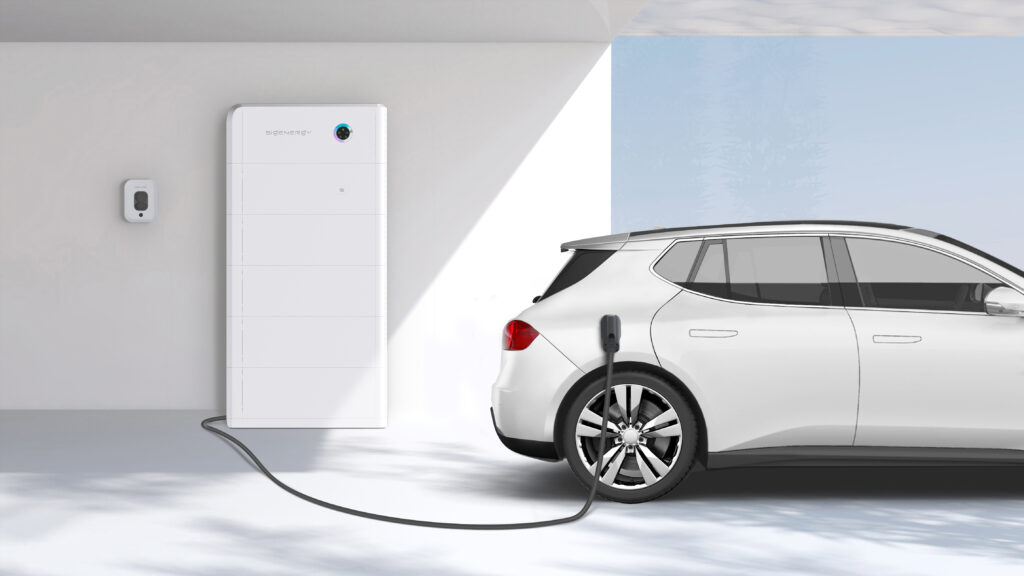
Installing a solar battery lets you store extra energy during the day and use it at night or when the weather’s bad.

Benefits:

  • Avoid export fees.
  • Reduce reliance on the grid.
  • Lower your power bills even further.

Yes, batteries cost upfront, but over time, they can boost your savings and give you more energy independence.

3. Upgrade to Smart Inverters

Smart inverters control how your solar system uses and distributes power:

  • They prioritise using your solar energy first.
  • They can direct extra energy to your battery (if you have one) instead of exporting to the grid.

This keeps export fees down and ensures you get the most value from your system.

4. Use Energy Monitoring Tools

Knowledge is power (literally)!

By using energy monitoring apps and tools, you can:

  • See when your system produces the most energy.
  • Track how and when you’re using electricity.
  • Make adjustments (like shifting appliance use) to reduce exports and maximise self-consumption.

5. Join Energy Trading Programs

In some areas, you can sell your excess solar power directly to other consumers or businesses through energy trading platforms.

Why this matters:

  • You may get better rates for your exported power than the standard grid feed-in tariff.
  • It can help offset or even cancel out the sun tax charges.

Don’t Believe The Hype

The sun tax doesn’t have to cut into your savings. Understandably, as a homeowner or potential solar panel buyer, it can be worrying to know that you’d have to “pay more.” However, proper context matters! The financial impact of these charges is still relatively minor compared to the overall benefits of solar energy. With the right strategies, you can reduce export charges, keep your bills low, and make the most of your solar investment.

Solar energy remains a smart investment, offering long-term financial benefits, environmental advantages, and increased energy independence. Don’t let the fear induced by media reports stop you from considering or continuing your solar journey. With the right approach, you can navigate the new charges effectively and continue to reap the rewards of clean, renewable energy.

Still unsure how the sun tax would affect your situation?
Let’s walk through your numbers together — so you can make the most informed decision.

What Is the Albanese Government’s $300 Electricity Bill Rebate?

Is the Albanese Government’s $300 Electricity Bill Rebate Really That Impressive?

With energy prices continuing to rise, many Australians were glad to hear about the Albanese Government’s new $300 electricity bill rebate. On the surface, a $300 credit sounds like a welcome relief.

But when you look closer — is it really making a difference?

At Lenergy, while we specialise in solar panel installations, our commitment goes beyond just providing systems. We genuinely care about helping you manage your overall energy consumption through clear, transparent, and practical advice.

In this article, we will explore not only the immediate effects of this rebate but also its role within the broader landscape of Australian energy policy. For those skeptical about the real impact of such rebates or curious about their potential to ease financial burdens, we delve into whether this policy is merely a drop in the ocean.

What is the $300 Electricity Bill Rebate?

As electricity prices continue to climb, the Albanese Government has introduced a $300 electricity bill rebate to provide some financial relief to Australian households and small businesses.

Here’s exactly what’s included:

Eligibility

  • Every household in Australia is eligible, not just those receiving government assistance.

How Will the Rebate Be Applied?

Unlike a direct payment, the $300 rebate will appear as a credit on electricity bills, ensuring it directly offsets ongoing energy costs. Here’s how it will be implemented:

  • Automatic Application: The rebate is automatically applied to your electricity bills — no need to apply, fill out forms, or jump through hoops.
  • The total rebate amount is $300 spread over the financial year, starting July 1, 2024.
  • Timing of the credit: It won’t appear as a single lump sum. Instead, it’ll be split across multiple bills, likely as two $150 credits or four $75 credits, with the potential to extend into 2025.

This measure is part of the government’s broader cost-of-living support package. But, while it sounds appealing at first, how much of a difference will it actually make in the bigger picture?

$300 Electricity Bill Rebate
Graphic Image by Lenergy

How Much Will This Actually Help?

The immediate benefit is clear: the rebate will decrease the amount paid out-of-pocket for electricity bills temporarily. It provides a momentary buffer for reallocating funds to other necessities such as groceries or healthcare.

However, the long-term view is more complex. A $300 rebate does little to address the underlying issues that are driving up electricity prices, like supply challenges or rising production costs.

Let’s break down the numbers to get some perspective:

  • The average annual electricity bill in NSW is around $2,500 (and rising).
  • A $300 rebate covers about 12% of that yearly cost.

So, over the year, you’re still paying around $2,200 out of pocket.

What Does This Mean for Your Budget?

In the short term, it will feel like a small win:

  • Your electricity bill will be slightly lower each quarter.
  • You might redirect those few saved dollars to essentials like groceries, fuel, or healthcare.

However, the rebate won’t stop future bill increases. You’ll still be exposed to:

  • Rising wholesale electricity costs.
  • Increased network fees.
  • Potential supply issues, which can cause price spikes.

It’s a temporary band-aid, not a long-term fix. For a truly effective financial strategy, households might need to look beyond short-term relief to solutions like enhancing energy efficiency or considering renewable energy options.

Who Actually Benefits the Most?

Unlike some past rebates that targeted only concession card holders or low-income families, this rebate is designed to cover all households, as well as some small businesses.

This broader eligibility makes it more inclusive — but it also means the financial relief is spread thin.

For higher-usage households or businesses, where electricity bills can exceed $3,000 to $5,000 annually, a $300 rebate barely makes a dent. For smaller households, it might feel more noticeable, but either way, it’s not addressing the root causes of high energy costs.

The Short-Term vs. Long-Term Impact

Short-Term:

  • Immediate reduction on your bill. You’ll likely see smaller bills over the next 12 months.
  • No paperwork required. The rebate is automatically credited.
  • Temporary breathing room. It might slightly ease pressure on tight budgets for a few months.

Long-Term:

Here’s where the rebate shows its limitations:

  • It doesn’t prevent electricity prices from continuing to rise year after year.
  • It offers no strategy for future-proofing your energy costs.
  • It’s reactive, not proactive. It helps now but leaves you vulnerable in the years to come.

If you’re tired of unpredictable energy bills and want true control over your energy expenses, it’s clear that rebates like this won’t get you there.

What’s the Bottom Line?

The Albanese Government’s $300 electricity bill rebate is a helpful short-term measure, but it’s not a solution to the bigger issue of rising energy costs.

The problem with these quick fixes is that they don’t offer a long-term solution or help you take real control of your energy costs.

A better option is to look at long-term strategies, like financing a solar panel system. With affordable payments — starting from just $53 every two weeks for a 6.6kW system — you can reduce or even eliminate your electricity bills. This not only gives you instant savings but also allows you to plan ahead, knowing exactly what your payments will be every fortnight.

Curious whether solar could save you more than the rebate — and for longer?

We’re happy to run a personalised solar savings assessment for your household, with clear numbers and no obligation.

You don’t need to depend on minimal government rebates; instead, you can leverage established financing options to genuinely take charge of your long-term electricity expenses.

How Much Do Solar Batteries Cost: Are They Worth It?

As renewable energy becomes more mainstream, many homeowners and businesses are embracing solar power as a cost-effective solution to reduce their energy bills.

But when it comes to enhancing a solar setup, one question often arises:
How much are solar batteries? Are solar batteries a smart investment or just an added expense?

Understanding Solar Battery Storage

Firstly, let’s clarify what battery storage entails.

A solar battery serves as a reservoir for excess energy generated by your solar panels that isn’t used immediately. This energy is stored and can be utilised during the nighttime or power outages, ensuring a continuous supply when your panels are inactive.
The ability to store and manage the energy you produce ensures optimal use, particularly, during periods when electricity rates are high or when you need it most.

Essentially, they allow you to store and use the energy you produce for use when the sun isn’t shining.

how much are solar batteries

The Optimal Time to Add a Solar Battery

There are two primary times to consider adding a solar battery: during the initial installation of your solar panels or by retrofitting it to an existing system.
Installing a battery during the initial setup of your solar system is often more seamless and cost-effective, allowing for integrated design and functionality.

However, retrofitting a solar battery to an existing system is also feasible, especially with the advent of advanced hybrid inverters and AC-coupled solar battery systems that can accommodate older solar setups with minimal modifications.

Making the decision to purchase solar batteries at the start of your solar journey as opposed to later makes for a larger initial outlay, but a more cost-effective option in the long run as there are certain economies of scale with doing everything all at once. For instance, some DC coupled batteries like Sungrow’s batteries are only compatible with the Sungrow Hybrid inverter.

Starting with a hybrid inverter with a modular battery, such as Sungrow, means you can have your cake and eat it too!
By opting for a solar system with a modest storage capacity that is easily expanded, you’ll have blackout functionality and the ability to store excess solar power to use at night, opposed to donating it to the grid for a small feed-in tariff.

The 3.2kWh Sungrow solar battery is modular by design, which makes it a versatile option to combat changing energy demands, as you can easily add more and more solar batteries to the same battery stack.

how much are solar batteries
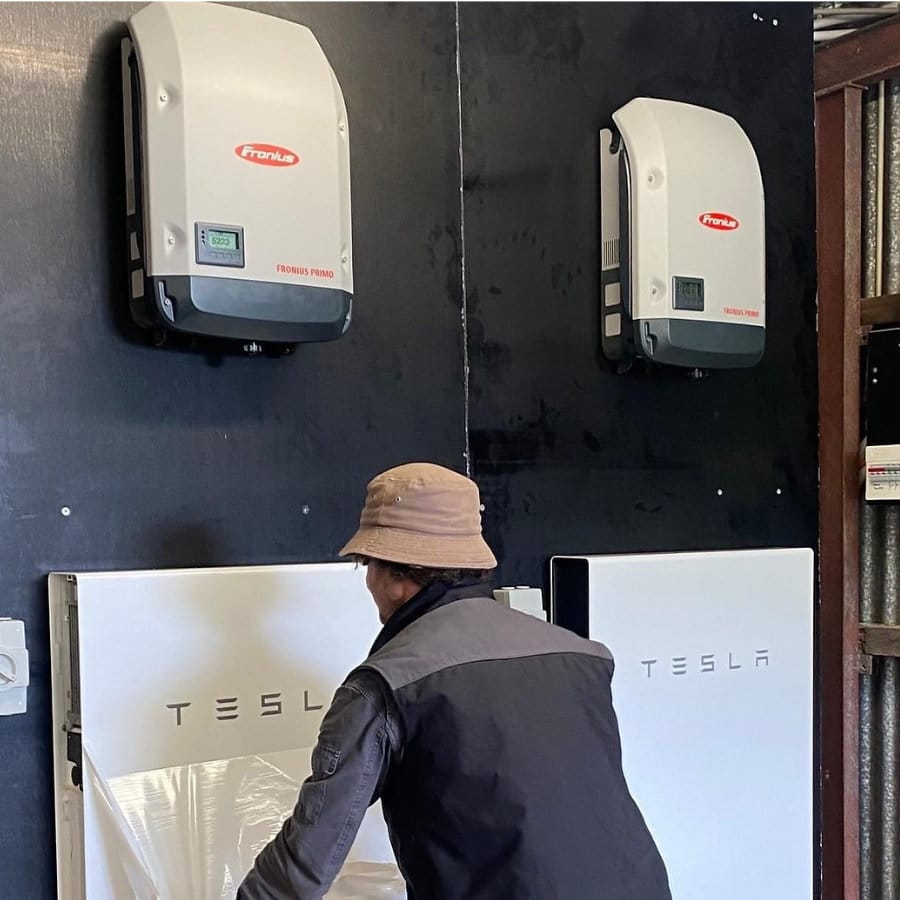
Image taken from a Tesla installation by Lenergy

Expanding Your Solar System with a Solar Battery Later

If you initially opted out of a solar battery, adding one later can still substantially boost your savings and energy independence. Professional installers can efficiently integrate a solar battery with your existing setup, optimising it for energy efficiency and safety.

It’s sensible to begin with a solar system designed to exceed your energy needs, ensuring ample surplus power for future battery charging.

Before making the decision to install solar batteries, we can monitor the system for a period of time, in particular the winter period, which is typically the worst time of year both for energy consumption and solar production.

We can then use this data to make an informed decision as to whether or not battery storage is feasible. By looking at import and export data we can determine exactly how much power is being used overnight to calculate what size solar battery is required, and ensure that there is enough surplus power throughout the day to charge the battery. 

Most electricity bills we see tend to spike in winter as the homeowners use more power heating their home, and during this time, solar energy systems produce significantly less power per day as there is less peak sun hours. This is why it is crucial to assess your consumption profile in winter, so you don’t have a battery sitting on the wall collecting dust.

Consumptions Monitoring Solar Battery
Graphic Image created by Lenergy

Factors to Consider with Solar Battery Storage

Maintenance and Care:
Solar batteries generally require minimal maintenance, which is an important consideration for many homeowners. Regular checks and occasional updates to the system software can keep the solar battery operating efficiently over its lifespan.

Future-Proofing Your Home:
As energy prices continue to rise and power outages become more frequent due to extreme weather events, having a solar battery ensures that your home remains powered, secure, and functional. It’s a smart way to future-proof your property against increasing energy uncertainty.

Energy Independence:
With a solar battery, you can store surplus energy that would otherwise be returned to the grid. You can then use this energy during grid outages or when solar production is low, reducing your dependence on external power sources and enhancing your home’s self-sufficiency. During power outages or grid failures, you can continue to power your home with stored solar energy, providing peace of mind and potentially saving you from disruptions.

Energy Consumption Patterns:
Evaluate your energy consumption patterns to determine if solar battery storage aligns with your needs. If you typically consume the majority of your energy during the evening or at night, when solar production is low or nonexistent , then a solar battery storage system can help offset reliance on the grid during these times.

how much are solar batteries
Photo created and taken by Lenergy

Return on Investment (ROI):

While solar battery storage systems do require quite a large initial investment they can save you money in the long run. Fortunately, financing options are available to make the upfront cost of solar battery storage more manageable.

By storing unused solar energy, batteries ensure that the energy capacity your panels generate is fully utilised. This increase in efficiency can accelerate the return on investment of your entire solar system and lead to greater energy autonomy. As the cost of electricity continues to rise and the feed in tariff (FiT) approaches $0.00, solar batteries are really coming into their own.

Now, to break down an example:

how much are solar batteries

This simplified example indicates a payback period of just over ten years, however, actual conditions can significantly influence this estimate. In regions with high electricity rates, where your solar battery optimally offsets the more costly grid power, the payback period might be shorter.

This estimate underscores the importance of closely examining your energy usage, local electricity rates, and how effectively a solar battery can meet your specific energy needs to determine its financial viability.

With a large initial investment, this is where Virtual Power Plant’s (VPP) really come into play. This is where your retailer gives you access to wholesale electricity prices and allows you to send power from your battery to the grid during high demand periods when the price of electricity skyrockets. With feed-in prices reaching levels well over $1/kWh you can collect quite a handsome reward for your power.

One of our customers, Harry, has stated:

If I look at the amount of money that we’ve invested in both the battery, the solar system and everything else, plus the electric car, I’m actually earning a better rate of return on the investment than I was with my money being just on term deposits.

You can view Harry’s full video testimonial here.

how much are solar batteries
Image by Lenergy

Environmental Impact

Beyond financial considerations, battery storage can also have environmental benefits. By maximising self-consumption of solar energy and reducing reliance on fossil fuel-based electricity, you’re contributing to a cleaner, more sustainable future.

As the popularity of battery storage continues to increase annually among homeowners, the demand for recycling processes and facilities has surged. Contrary to popular belief, solar batteries can indeed be recycled in Australia.
Recent advancements in recycling technology have led to the establishment of several facilities in New South Wales that specialise in recycling lithium-ion batteries, the most common type used in Australia. Furthermore, the elimination of cobalt from new batteries is expected to boost lithium-ion battery recycling.

Tes-Amm Australia, one of the leading lithium-ion recycling facilities in Australia, utilises sophisticated technology to separate raw materials, Lithium Carbonate, Cobalt Hydroxide, Sodium Sulfate (by-products), Graphite/Copper/Aluminum, for repurpose.
These batteries are recyclable not only at the end of their lifespan but also when they need replacing.

how much are solar batteries
Graphic Image by Lenergy


Further Electricity Bill Reduction with Solar Battery

Integrating battery storage into your home’s energy system can decrease electricity bills by storing excess solar energy for later use during peak consumption times. Solar batteries can drastically reduce your electricity bills by allowing you to use stored energy during peak tariff times. This capability not only provides immediate financial benefits but also helps offset the battery’s initial cost over time.

how much are solar batteries
Photo created and taken by Lenergy

How Much Are Solar Batteries?

  • Tesla Powerwall 2 from $15,800 with an additional Tesla Powerwall 2 at $12,800. (AC coupled battery which can be paired with any type of solar inverter)
  • Enphase IQ 5P battery from $11,499 (AC coupled battery that can be paired with any type of solar inverter)
  • Sungrow Hybrid Inverter & 9.68kWh Battery from $10,650 (DC coupled battery can only be paired with a Sungrow hybrid inverter)

These prices above include the complete supply & installation of your battery for a single phase home.

Avoid Cowboys

Deciding to invest in solar battery storage should include discussions with solar experts or energy professionals. They can evaluate your unique situation, energy objectives, and financial plans to offer customised advice and help you decide whether a solar battery fits your needs.

While the initial cost of a solar battery may seem daunting, the long-term benefits of added energy independence, reduced utility costs, and enhanced environmental sustainability make it a worthwhile investment. 

As the push toward renewable energy grows stronger, equipping your home with a solar battery positions you at the forefront of energy efficiency and proactive environmental stewardship.

What Is the Solar Rebate and How Does It Work?

You’ve just started looking into a solar system for your home and have heard about a government solar rebate. How much do you get from the rebate? How is it calculated? And am I eligible? 

What is the solar rebate
Image created by Lenergy

We will break down the solar rebate and answer all these questions so by the end of this article you will know exactly where you stand with the government’s Small-scale Technology Certificates (STCs), commonly referred to as the “solar rebate”.

What is commonly referred to as the solar rebate isn’t technically a rebate. Instead, the incentive is distributed through Small-scale Technology Certificates (STCs) under the Australian Government’s Renewable Energy Target (RET) scheme. This initiative encourages the adoption of renewable energy sources by offsetting the initial cost of installing a solar system.

This incentive is determined by the number of STCs you can earn, which depends on factors such as your solar system’s size, your location or zone, and the year of installation.

The distribution of STC incentives is set to cease by the end of 2030, with a gradual decline in the number of STCs awarded per kilowatt installed each year leading up to that point. Installing your system sooner rather than later ensures you can maximise the benefits derived from STCs before their value diminishes further.

Solar Rebate
Image created by Lenergy

So, how are STCs calculated?

Your location:
As mentioned above one of the key components to calculating your STC amount is your location or zone. Your geographical zone determines how much solar radiation your panels receive, which influences the number of STCs you can earn. There are 4 zones within Australia and New South Wales falls into zone 3, which has been assigned a rating factor of 1.382 by the Clean Energy Regulator. 

Solar Rebate  - Solar Quotes
Image taken from solarquotes.com.au

The size of your system:
One STC is issued per 1 megawatt hour of solar power produced per year up until the end of 2030, and 1 megawatt hour is equal to 1000 kilowatt hours.

The amount of power produced by your system per year really comes down to a few factors such as the size of the system, orientation and angle of the panels, shading, and the weather, to name a few. But for the sake of the calculation of STCs, the Clean Energy Regulator estimates an average annual production based on the size of the system and the zone in which it is installed, this is where the numerical value of 1.382 comes into play.

So if your system is an 8.12kW system it will be calculated by 8.12.

The larger your system, the more energy it can potentially generate, leading to more STCs. One STC is issued for every megawatt-hour of estimated electricity production over the system’s deeming period.

What date is your solar installation (Deeming Period):

The deeming period is a future projection of the system’s electricity production. The closer the date to the end of 2030 will decrease the amount of STCs you are issued. If your estimated installation date is the 15th of May 2024, your deeming period would be 7 years.

STC Value:
The current payment for an STC stands at $38.50 which is subject to fluctuations influenced by the solar market.

Now, let’s break down the above equation:

Your Zone x System Size x Deeming Period = STC
1.382 x 8.12kW x 7 years = 79 STC’s
79 STC’s x $38.50 = $3041.50

This amount represents a significant discount on the upfront cost of your solar system installation.

Solar Rebate NSW
Image created by Lenergy


Why Act now?

With the STC program set to phase out by 2030, and the value of STCs decreasing each year, acting now is crucial. The longer you wait, the fewer STCs you’ll earn, which means less financial aid towards your installation costs.

Environmental Benefits

Adopting solar energy isn’t just beneficial for your wallet—it’s also good for the planet. Solar energy systems generate clean, renewable power from the sun and reduce greenhouse gas emissions, helping to combat climate change and reduce our reliance on fossil fuels.

How to Get Started

Assess Your Needs: Determine the size and type of solar system that would best suit your home. A solar installer should do this for you through their quoting process
Find a Reputable Installer: Look for certified and experienced solar installers that service your area.
Understand Your Eligibility for STCs: Your installer can help you calculate the number of STCs you’re likely to receive and factor this into the overall cost.
Apply for Incentives: Your solar installer will usually (should) handle the paperwork for STCs as part of their service.

Now that you’ve gained a better understanding of how the solar rebate works and its benefits, you are better positioned to make an informed decision about installing solar panels.

By leveraging the government’s Small-scale Technology Certificates (STCs), you can make significant savings on your solar installation. Don’t delay until the incentives decrease in value; seize this opportunity now to maximise your benefits and help preserve the environment.

So you might now be thinking, how much do solar panels cost? Well we have a comprehensive article you can view here: How Much Do Solar Panels Cost in 2024

Albanese Government’s $1 Billion Investment in the Solar SunShot Program

In a landmark move towards harnessing the power of renewable energy, the Albanese Government has unveiled a groundbreaking $1 billion investment in the Solar SunShot program. This ambitious initiative underscores a commitment to accelerating Australia’s transition towards a clean, sustainable energy future.

The Solar SunShot Program:

The Albanese Government’s Solar SunShot program aims to revolutionise Australia’s solar energy industry by driving innovation, efficiency, and affordability. With a focus on research, development, and deployment, this $1 billion investment seeks to advance solar technologies, expand solar infrastructure, and promote widespread adoption of solar power across the country.

Key Objectives and Benefits:

Research and Development: The Solar SunShot program will allocate funds towards research and development initiatives aimed at improving solar technology efficiency, performance, and affordability. By supporting innovative research projects and collaborations between academia, industry, and government, the program aims to unlock new breakthroughs in solar energy generation and storage.

Deployment and Infrastructure: The investment in solar infrastructure will facilitate the deployment of solar photovoltaic (PV) systems, solar farms, and solar thermal plants in regions across Australia. By expanding access to clean, renewable energy sources, the program aims to reduce reliance on fossil fuels, lower carbon emissions, and enhance energy security.

Economic Growth and Job Creation: The Solar SunShot program is expected to stimulate economic growth and create new job opportunities in the renewable energy sector. By investing in solar energy projects, manufacturing facilities, and workforce training programs, the program supports local industries, boosts employment, and drives innovation-led growth.

Community Empowerment: The Solar SunShot program empowers communities to take control of their energy future by embracing solar power. Through incentives, rebates, and support for residential and commercial solar installations, the program enables households, businesses, and communities to generate their own clean, renewable electricity, reduce energy costs, and contribute to environmental sustainability.

The Albanese Government’s $1 billion investment in the Solar SunShot program represents a significant milestone in Australia’s energy transition journey. By prioritising renewable energy and leveraging solar power as a key pillar of the nation’s energy policy, the program accelerates progress towards achieving emissions reduction targets, enhancing energy resilience, and fostering a more sustainable future for all Australians.

How Do Solar Panels Work? Your Comprehensive Guide.

Solar energy operates by capturing the radiant light and heat from the sun and converting it into electrical energy. This process is facilitated through a technology known as photovoltaics (PV), a method that has seen significant advancements over the years.

The Basics of Solar Power Generation

The core of solar power generation lies in photovoltaic cells, commonly known as solar panels. These solar panels are made of semiconductor materials, typically silicon, which absorb sunlight. The energy from the sunlight excites the electrons in the silicon, creating direct current (DC) electricity. This is the first crucial step in the process of generating solar power.

Once produced, the DC electricity isn’t yet ready for typical home or business use. It needs to be converted into alternating current (AC), which is the form of electricity used to power most appliances and lights in residential and commercial settings. This conversion is done by a device known as an inverter. Solar energy systems typically use either string inverters, which connect a series of panels together, or microinverters, which are attached to individual panels for enhanced efficiency.

How Do Solar Panels Work
Graphic Image by Lenergy

Integration with the Electrical Grid and the Role of Net Metering

Many solar energy systems are connected to the broader electrical grid, allowing for an exchange of electricity between the solar system and the utility grid. This connectivity plays a crucial role during periods when the solar panels produce more electricity than the home or business consumes. In such cases, the excess electricity is fed back into the grid. Conversely, during periods when the panels are not producing enough power (like during nighttime or overcast days), the system can draw power from the grid.

This two-way exchange is governed by a policy known as net metering. Net metering allows solar energy system owners to receive credits on their utility bills for the surplus energy they contribute to the grid. This system not only offsets the costs of electricity but also leads to additional savings, as many utilities will pay or credit homeowners at the retail rate for the excess energy their systems produce

How Do Solar Panels Work

Advancements in Solar Technology and Future Prospects

The field of solar technology has witnessed continuous improvements that have made solar power more accessible and efficient. These advancements include increases in the efficiency of photovoltaic cells, which allow more power to be generated from the same amount of sunlight, and enhancements in the materials and designs of solar panels, making them more effective and less obtrusive.

Moreover, the integration of energy storage solutions, such as solar batteries, marks a significant leap forward. These batteries store excess energy produced during peak sunlight hours and make it available for use during periods of low production, ensuring a steady and reliable energy supply.

The ability to store and manage energy has made solar power a more consistent and dependable source of clean energy.

Choosing the Right Inverter for Your System

As you consider adopting solar technology, one critical decision will be choosing between string inverters and microinverters. The choice depends on various factors, including the size of the installation, the potential shading of panels, and budget considerations. Microinverters are generally more efficient in conditions where individual solar panels are partially shaded, while string inverters are typically more cost-effective for larger, unshaded installations.

How Do Solar Panels Work

As the demand for sustainable and environmentally friendly energy solutions continues to grow, solar power remains at the forefront of the transition to a greener future. With ongoing technological advancements and supportive policies like net metering, solar energy is set to play a pivotal role in our energy landscape

Now your next step is choosing between String or Micro Inverters – Everything you need to know to make the decision on String or Micro Inverters.

Microinverters vs String Inverters: Which Is The Best?

Exploring solar energy options can be overwhelming, and you might find yourself asking: Microinverter or String Inverter? Just when you think you’ve settled on a string inverter, you discover the microinverter. So, which one is the best choice for you?

At Lenergy, we’ve been helping homeowners like you decide the best solar options for their home. We believe choosing which solar inverter is right for you is one of the most important decisions you’ll make when it comes to solar, even more important than the choice of solar panel.

In this blog you’ll learn how to do just that.

What Is The Difference Between Microinverters and String Inverters?

String inverters work by connecting multiple solar panels in series to feed a single input, which converts the DC power produced by the panels into AC power.

Microinverter vs string inverter
Graphic Image by Lenergy

String inverters are typically more cost-effective than microinverters, making them a great option if you are looking for a high return on investment, have budget constraints and may not be in your forever home.

Since they are connected to multiple solar panels in a string configuration, they can handle higher power capacities at a lower cost per watt.

Monitoring and maintenance for string inverters is relatively straightforward, with built-in monitoring capabilities and typically only requiring periodic inspections and firmware updates.

Something to consider when opting for string inverters is the orientation of your roof and any possible shading. As string inverters have limited inputs and the panels are all connected in series, they essentially operate as per the weakest link.

If one panel is shaded, soiled, or partially covered by leaves, the entire array’s output would be impacted.

Microinverter vsstring inverter
Graphic Image by Lenergy

This can also be due to your roof layout, having steep peaks or a high degree of pitch, shading can occur as the sun moves. 

roof types
Common Roof Types – Source Homedit.com

String inverters typically require all panels in a string to be of the same type and orientation. This can limit flexibility in system design, especially in installations with multiple roof angles or orientations.

The warranty on most string inverters is 5 to 10 years, offering a level of safeguarding and assurance, however it may fall short of the lifespan of the solar panels themselves. 

How much does a string inverter system cost at Lenergy?


–  6.6kW String inverter system from $6,693 
– 10kW String Inverter system from $9,970
– 13kW String Inverter system from $10,819

All these prices include the complete installation for a standard single phase, tin roof.

Most people will opt for a string inverter if they have a one story home with a regular roof pitch (22.5 degrees and under), no interferences that could cause shading and if they are not in a long-term dwelling. 

Microinverters, in contrast to string inverters, offer a decentralised approach to solar energy conversion by being installed directly beneath individual solar panels. This positioning enables each panel to function autonomously, unaffected by the performance of neighbouring panels. 

Microinverter vs String Inverter
Graphic Image by Lenergy

As a result, even if one panel is shaded or experiences a decrease in efficiency, it does not impact the output of the entire solar array. This distributed architecture enhances overall system efficiency and ensures maximum energy harvest, particularly in situations where shading or panel malfunctions are common. 

Microinverter vs string inverter
Graphic Image by Lenergy

Microinverters offer flexibility in system design compared to string inverters. With microinverters, solar panels do not need to be grouped into strings, allowing for more versatile installation layouts. This flexibility is particularly favourable for complex roof layouts or installations with panels facing different orientations. 

Microinverters tend to have a higher upfront cost compared to string inverters. Because each solar panel requires a microinverter, the cost per watt of a microinverter-based system can be higher than that of a string inverter-based system. 

This initial investment may be a deterrent, particularly those with budget constraints. Some may argue that you will save money in the long run, because they believe microinverters maximise each panel’s production. 

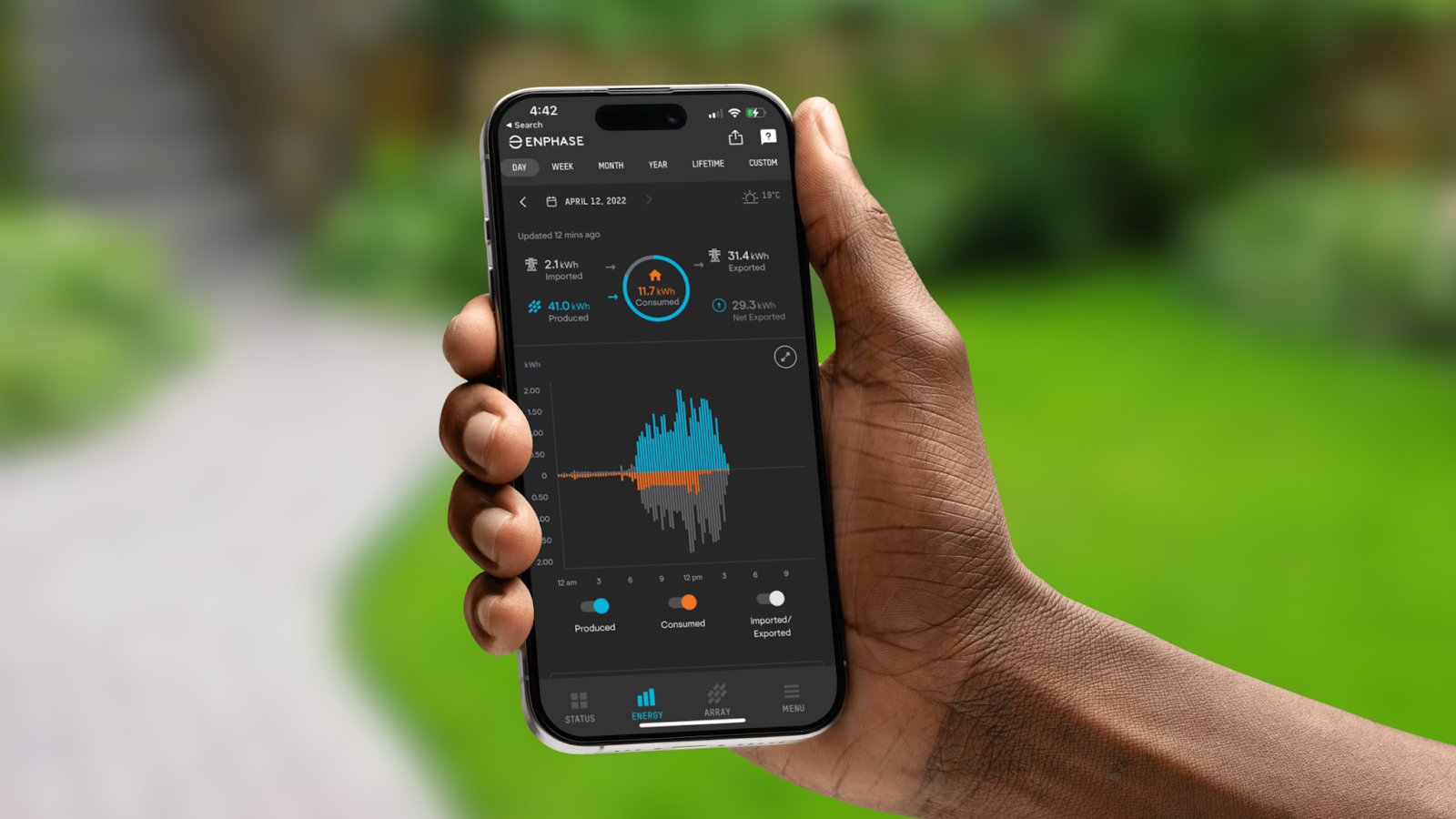
Monitoring of mircoinverters is quite advantageous as they allow you to see each solar panel’s individual production and performance in real time. This detailed monitoring provides valuable insights into the health and efficiency of the solar system, helping identify any issues or inefficiencies promptly.

microinverter monitoring
Photo taken from Enphase Enlighten App

While technology around microinverters is advancing, the current power handling capabilities may be less suitable for larger solar panels typically used in commercial-scale solar systems or solar systems with a large number of panels.

Out of the box, Enphase microinverters come with a 15 year product warranty which can be extended to 25 years, aligning more closely with the lifespan of solar panels themselves. 

How much does a microinverter system cost at Lenergy? 


– 6kW Micro Inverter system from $9,626
– 7kW Micro Inverter system from $10,080
– 9kW Micro Inverter system from $12,978

All these prices include the complete installation for a standard single phase, tin roof.

While microinverters may have a higher upfront cost and may not be suitable for larger commercial solar systems, their potential to maximise energy production, system efficiency and the longest warranties in the industry, they are an appealing option for many homeowners.


Safety Enhancements in Microinverter and String Inverter Technologies

When it comes to solar power, safety should always be a priority! After all, you’re dealing with conversion of electrical currents (and that’s no joke!) Microinverters play a crucial role in enhancing safety by converting direct current (DC) to alternating current (AC) directly at the solar panel.

This approach minimises the presence of high-voltage DC, which is typically more hazardous, from running throughout the solar power system. This localised conversion significantly reduces the risk of high-voltage electrical hazards across the installation. 

Recently, there has been advancements in string inverter technology which greatly improved safety measures within these systems. Companies like Fronius have been at the forefront of these innovations. They have incorporated ARC Fault Circuit Interruptions (AFCI) into their inverters, a technology designed to address and mitigate the risks of electrical fires and shock.

The AFCI is engineered to detect and interrupt ARC faults (an unintentional electrical discharge that can occur and is capable of igniting fires) which enhances the overall safety of the solar power systems in which these inverters are installed.

To String Or Not To String – Microinverter vs String Inverter

The choice between string inverters and microinverters ultimately depends on factors such as budget, long-term residence, roof layout, shading conditions, and individual preferences.

At Lenergy, we offer both String and Micro inverters as we know there is no one size fits all. Whether you’re looking for the durability and simplicity of a string inverter or the enhanced performance and individual panel optimisation of microinverters, we have the solution tailored to your needs.

Still unsure which one you should choose for your home?

Contact us today to discuss which inverter is better for you!